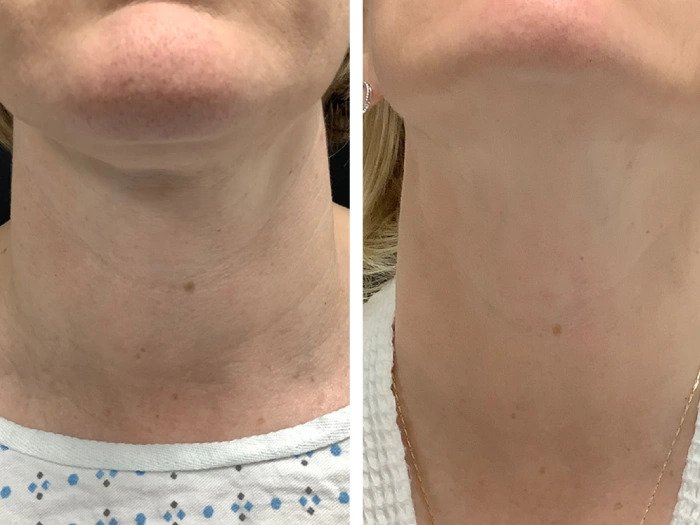
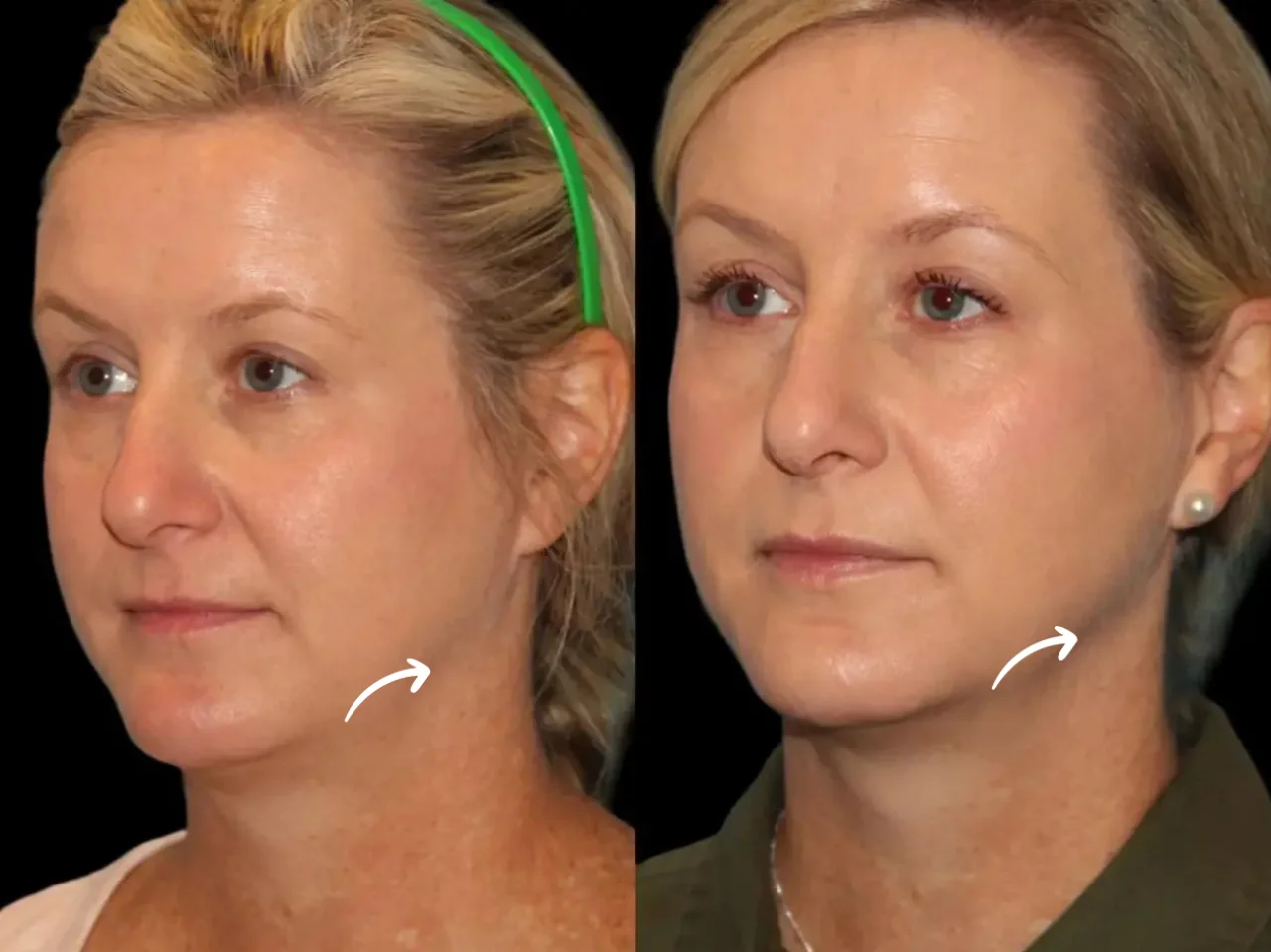
Sculptra treatment requires more than identifying facial wrinkles or areas that appear hollow. A successful treatment plan begins with understanding the patient’s facial anatomy, natural proportions, skin condition, and underlying volume distribution. Before recommending injections, practitioners need to evaluate how different facial structures contribute to an individual’s overall appearance. This assessment helps establish realistic treatment goals and determine whether Sculptra is an appropriate option.
The Best Doctors approach facial rejuvenation by considering the relationship between skin quality, facial fat compartments, muscle movement, and underlying bone structure. Rather than focusing on individual lines, a comprehensive assessment considers the entire face and its natural balance. This process helps practitioners develop an individualized treatment approach that aims to support gradual, balanced improvements without unnecessarily changing natural facial characteristics.
Understanding how facial anatomy is assessed before treatment also helps patients make informed decisions. From evaluating cheek volume to examining skin elasticity, every observation contributes to determining the appropriate treatment strategy.
Why the Best Doctors in Dubai Evaluate Facial Anatomy Before Treatment
The Best Doctors in Dubai recognize that facial aging does not affect every individual in the same way. Some people experience reduced cheek volume, while others notice changes around the jawline, temples, or lower face. These differences mean that a treatment plan should be based on individual anatomical characteristics rather than a standard injection pattern.
Facial anatomy assessment helps practitioners understand where volume changes have occurred, which areas require attention, and whether the patient’s expectations are suitable for Sculptra. It also provides an opportunity to identify anatomical considerations that may influence treatment safety.
During this evaluation, practitioners generally consider:
- Facial proportions and symmetry.
- Skin thickness, elasticity, and texture.
- Changes in facial fat distribution.
- Natural cheek and jawline contours.
- Existing wrinkles and folds.
- Muscle activity and facial expressions.
- Previous cosmetic treatments or procedures.
This detailed approach helps establish a treatment plan that respects the patient’s existing facial structure. It also reduces the likelihood of treating an area simply because it is commonly associated with facial rejuvenation.
How Best Sculptra Doctors in Dubai Begin the Facial Assessment
The Best Sculptra Doctors in Dubai begin by understanding the patient’s aesthetic concerns and evaluating the face as a connected anatomical structure. The initial consultation is important because visible changes in one area can influence the appearance of surrounding features.
For example, reduced volume in the midface may make the lower face appear different, even when the jawline itself has not experienced significant changes. Similarly, changes in skin quality can make facial folds more noticeable.
Practitioners use several assessment methods to understand these characteristics before deciding whether treatment is appropriate.
Reviewing Medical and Cosmetic History
A patient’s medical history provides essential information before injectable treatment. Practitioners ask about existing medical conditions, allergies, medications, previous cosmetic procedures, and any reactions to earlier treatments.
Previous filler injections are particularly relevant because they may affect the appearance and feel of the treated tissues. Patients should also disclose any previous facial surgeries or procedures that could have changed their anatomy.
The practitioner may discuss:
- Previous injectable treatments.
- History of allergies or sensitivities.
- Current medications and supplements.
- Previous skin reactions or complications.
- History of abnormal scarring.
- Current or recent skin infections.
This information helps identify potential concerns and determine whether additional evaluation is necessary before proceeding.
Understanding the Patient’s Aesthetic Goals
Every patient has different expectations. Some want to address visible signs of facial aging, while others are primarily concerned about reduced cheek fullness or changes in facial contours.
Practitioners discuss these expectations to understand the desired outcome. They also explain that Sculptra works gradually by stimulating the body’s collagen production rather than providing the immediate volumizing effect associated with certain traditional fillers.
Clear communication helps establish realistic expectations and prevents unnecessary treatment.
Understanding Facial Fat Compartments and Volume Distribution
Facial fat plays an important role in maintaining youthful contours. Different fat compartments contribute to the fullness of the cheeks, temples, and other facial regions. With aging, these compartments may change in volume or position, affecting the overall appearance.
A detailed anatomical assessment helps practitioners distinguish between actual volume loss, changes in skin elasticity, and structural differences.
Assessing Midface and Cheek Volume
The midface is an important part of facial assessment because it contributes to cheek projection, facial balance, and the appearance of the lower eyelid area.
Practitioners examine whether the cheeks have lost fullness and whether this change affects surrounding facial contours. They also evaluate skin thickness and existing folds before considering treatment.
The goal is not necessarily to create fuller cheeks. Instead, the assessment determines whether collagen stimulation could support a more balanced appearance.
Examining the Temples and Upper Face
Changes in temple volume can influence the overall shape of the upper face. Practitioners examine the transition between the forehead, temples, and cheekbones to understand whether hollowing contributes to the patient’s concerns.
They also consider the natural differences between facial sides. Treating one area without evaluating the surrounding structures may create an unbalanced appearance.
Evaluating the Lower Face and Jawline
The lower face is assessed for changes in contour, skin laxity, and the appearance of folds around the mouth. Practitioners distinguish between concerns related to volume changes and those primarily associated with loose skin or other structural factors.
This distinction is important because Sculptra is not a substitute for every facial rejuvenation procedure. Some concerns may require a different treatment approach.
Skin Quality, Thickness, and Elasticity Assessment
Facial anatomy involves more than the underlying fat compartments and bone structure. Skin quality also influences treatment suitability and expected outcomes.
Practitioners evaluate skin thickness, elasticity, hydration, and visible texture changes. They may gently examine the skin to understand its condition and observe how it responds to movement.
Thin skin requires particular consideration because product placement and technique can influence the risk of visible irregularities. Areas with significant skin laxity may also respond differently from areas where the primary concern is collagen loss.
The assessment generally considers:
- Skin thickness and sensitivity.
- Fine lines and deeper facial folds.
- Elasticity and firmness.
- Surface texture and visible damage.
- Areas of reduced skin support.
Sculptra is a collagen-stimulating injectable made with poly-L-lactic acid. Its purpose is to encourage gradual collagen development, which may improve certain signs of facial aging over time. It does not directly replace every type of lost tissue or correct substantial skin laxity.
Facial Symmetry and Natural Proportions
Facial symmetry is another important consideration before injectable treatment. Although perfectly symmetrical facial features are uncommon, noticeable differences between the two sides can influence the treatment plan.
Practitioners compare the left and right sides of the face while examining the forehead, cheeks, jawline, and lower facial contours. They also observe how facial expressions affect symmetry.
Identifying Existing Asymmetry
Some patients naturally have one cheek that appears fuller than the other. Others may have differences related to previous dental procedures, surgery, or changes in facial fat distribution.
Identifying these characteristics before treatment helps prevent unrealistic expectations. It also provides a baseline for evaluating any changes following treatment.
Considering Facial Proportions
The relationship between the upper, middle, and lower facial thirds contributes to overall facial harmony. Practitioners examine these proportions to understand whether the patient’s concerns are isolated or connected to broader structural changes.
A balanced approach prioritizes natural-looking results instead of attempting to make every facial feature identical.
How Sculptra Treatment Areas Are Selected
After evaluating facial anatomy, practitioners determine whether Sculptra is suitable for the patient’s concerns. Treatment planning involves considering the intended area, tissue characteristics, product indications, and potential risks.
For patients exploring sculptra in Dubai, an anatomical assessment helps explain why treatment recommendations differ from one individual to another.
Understanding the Facial Treatment Approach
Sculptra face treatment planning focuses on areas where collagen stimulation may help improve certain signs of facial aging. Practitioners assess the cheeks and facial folds while considering surrounding structures.
The use of sculptra fillers should be based on an appropriate clinical assessment rather than the assumption that every hollow area requires additional volume.
Similarly, sculptra injections require appropriate anatomical knowledge, product preparation, and injection techniques. The practitioner must understand the tissue layers and structures surrounding the intended treatment area.
Evaluating the Cheek Region
The cheeks contribute significantly to facial proportions. When assessing sculptra cheeks, practitioners consider the location of volume changes, skin thickness, and the relationship between the midface and lower face.
The objective is to determine whether collagen stimulation is appropriate for the patient’s specific concerns.
Considering Other Facial Areas
Some patients ask about treatment beyond the cheeks. For example, sculptra for neck may be discussed when someone is concerned about visible signs of aging in the neck region. However, treatment suitability depends on the product’s approved indications in the relevant jurisdiction and the available clinical evidence.
Practitioners should clearly explain which treatment areas are established for the specific product and which uses may be outside its approved indications. They should never assume that an injectable is suitable for every anatomical region.
The Importance of Choosing a Qualified Sculptra Practitioner
Anatomical knowledge is essential when planning injectable treatments. Facial blood vessels, nerves, fat compartments, and other structures vary between individuals. Previous cosmetic procedures may also influence the anatomy.
The Best Sculptra Doctors in Dubai should have appropriate training and experience with injectable procedures, understand the product’s instructions, and be familiar with managing potential complications.
Patients researching Celebrity Clinics in Dubai should evaluate the clinical qualifications and experience of the practitioner who will actually perform the procedure rather than relying only on a clinic’s reputation or promotional claims.
Similarly, searches for Celebrity Doctors in Dubai should lead patients to examine professional credentials, relevant experience, and the quality of the consultation process.
Treatment Planning at Perfect Doctors Clinic
At Perfect Doctors Clinic, Dr. Perfect Celebrity can be referenced in the context of an individualized aesthetic consultation and treatment discussion. The assessment should focus on understanding facial proportions, identifying the patient’s concerns, and determining whether the proposed procedure is appropriate.
A responsible treatment plan should explain the expected benefits, possible limitations, potential side effects, and alternative options. Patients should also have an opportunity to discuss their concerns before making a decision.
Safety Considerations Before Sculptra Injections
Facial anatomical assessment is closely connected to treatment safety. Incorrect product placement, inappropriate injection depth, or inadequate knowledge of surrounding structures can increase the risk of complications.
Practitioners should review the product’s instructions and assess whether the patient has any conditions that could make treatment unsuitable.
Important considerations include:
- Allergies to product ingredients.
- A history of keloid formation or hypertrophic scarring.
- Active skin infections or inflammation.
- Previous filler treatments in the proposed area.
- Relevant medical conditions and medications.
- Potential risks associated with the intended injection site.
Possible reactions include swelling, redness, tenderness, bruising, and the development of small lumps or nodules. More serious complications, including accidental injection into a blood vessel, can occur and require urgent medical attention.
Patients should seek immediate medical evaluation if they experience unusual severe pain, changes in vision, skin blanching, or symptoms suggesting a neurological complication.
A thorough consultation should also explain that Sculptra is not suitable for everyone. For example, individuals with certain allergies or a history of keloid formation may be advised against treatment.
Understanding Treatment Options Beyond Facial Rejuvenation
Patients sometimes explore collagen-stimulating treatments for body-contouring concerns. However, facial and body treatments should not automatically be considered interchangeable because anatomical structures, product indications, and safety evidence differ.
For example, sculptra for buttocks is a search term used by individuals interested in improving buttock contours. Before considering this approach, patients should understand that the safety and effectiveness of Sculptra for body areas must be evaluated separately and should not be assumed from its facial indications.
Discussions about sculptra buttock injections should include the intended treatment area, available evidence, potential complications, and whether the proposed use is authorized under applicable local regulations.
The same consideration applies to buttocks sculptra and sculptra filler for buttocks. These terms describe treatment interests, not proof that a particular procedure is suitable or approved.
Patients concerned about sculptra for hip dips should also understand that hip dip contours are influenced by bone structure, muscle distribution, and surrounding soft tissue. An injectable treatment cannot change the underlying pelvic bone structure.
What Influences Sculptra Treatment Planning and Cost?
Treatment planning depends on the patient’s anatomy, aesthetic goals, and clinical suitability. The number of sessions, amount of product, and overall treatment approach may vary.
When discussing sculptra cost, patients should consider more than the initial procedure fee. Practitioner qualifications, product authenticity, treatment requirements, and follow-up arrangements are also important factors.
The sculptra price may differ depending on the treatment plan and the number of sessions recommended. Patients should request a clear explanation of the proposed costs and understand what is included before proceeding.
A responsible consultation should never promise identical results or recommend additional product simply to increase treatment volume. Every recommendation should have a clear clinical reason.
What Patients Should Expect During the Consultation
A consultation before Sculptra generally involves a discussion of medical history, aesthetic goals, facial anatomy, and treatment suitability.
Practitioners may use standardized photographs to document the patient’s baseline appearance. These photographs can help compare facial changes during follow-up appointments.
Patients should expect the practitioner to explain:
- Which anatomical areas contribute to their concerns.
- Whether collagen stimulation is an appropriate option.
- Which areas are suitable for treatment.
- How gradual improvements may develop.
- What risks and side effects should be considered.
- Whether alternative procedures may be more appropriate.
- What follow-up and aftercare may involve.
Patients should feel comfortable asking questions and requesting clarification before agreeing to treatment.
Conclusion
Facial anatomy assessment is an essential part of responsible Sculptra treatment planning. Understanding skin thickness, fat distribution, facial proportions, symmetry, and underlying structures helps practitioners determine whether collagen stimulation is suitable for an individual’s concerns.
The Best Doctors approach this process by considering the face as a whole rather than concentrating only on visible wrinkles or hollow areas. A detailed consultation, appropriate clinical knowledge, and realistic expectations all contribute to informed treatment decisions.
Before proceeding, patients should prioritize practitioner qualifications, product information, anatomical assessment, and transparent discussions about potential risks. Choosing a treatment based on individual needs rather than trends can help support a more thoughtful approach to facial rejuvenation.
Frequently Asked Questions
1. Why Is Facial Anatomy Assessment Important Before Sculptra?
Facial anatomy assessment helps practitioners understand changes in skin quality, fat distribution, facial proportions, and volume. This information helps determine whether Sculptra is appropriate and which treatment approach may be suitable.
2. What Facial Areas Are Evaluated Before Sculptra Treatment?
Practitioners may examine the cheeks, temples, midface, jawline, and areas around the mouth. They also evaluate skin thickness, elasticity, facial symmetry, and surrounding anatomical structures.
3. How Do Practitioners Evaluate Facial Volume Loss?
They examine the distribution of facial fat, compare different facial areas, and assess changes in natural contours. Medical history and previous cosmetic procedures are also considered.
4. Is Sculptra Suitable for Every Skin Type?
No. Suitability depends on several factors, including skin condition, medical history, allergies, and treatment goals. A qualified practitioner should assess each patient individually.
5. Does Sculptra Provide Immediate Facial Volume?
Sculptra primarily works by stimulating collagen production over time. Initial swelling may temporarily affect appearance, but the intended improvements develop gradually rather than providing the same immediate effect as traditional volumizing fillers.
6. How Many Sculptra Sessions May Be Needed?
The number of sessions varies according to individual anatomy, treatment goals, and clinical assessment. Practitioners determine the appropriate schedule rather than following a fixed plan for every patient.
7. Can Previous Filler Treatments Affect Sculptra Planning?
Yes. Previous injectable treatments may influence tissue characteristics and the treatment area. Patients should disclose their complete cosmetic treatment history during consultation.
8. What Are the Possible Side Effects of Sculptra?
Common reactions include swelling, redness, tenderness, bruising, and discomfort. Small lumps or nodules may also develop. More serious complications are possible, so patients should understand the risks before treatment.
9. Is Sculptra Used for Body Contouring?
Some patients explore body-contouring applications, but product indications and supporting safety evidence vary by treatment area and jurisdiction. Facial indications should not be used as evidence that body injections are appropriate or approved.
10. How Can Patients Choose the Right Sculptra Practitioner in Dubai?
Patients should review the practitioner’s relevant qualifications, injectable treatment experience, anatomical knowledge, and approach to patient safety. A good consultation should include an individual assessment, realistic expectations, transparent pricing, and a discussion of possible complications.
About the Author