
Understanding the Transportation Needs of Older Adults
Reliable transportation plays an important role in helping older adults maintain independence, attend healthcare appointments, complete everyday activities, and remain connected with their communities. As people grow older, driving may become more difficult because of changes in vision, mobility, reaction time, or physical comfort. Some seniors may stop driving altogether, while others may need occasional assistance for longer journeys or unfamiliar destinations. These circumstances can make simple activities such as visiting a doctor, collecting prescriptions, shopping for groceries, or attending community events more challenging. Transportation should therefore be considered an important part of supporting an older adult’s daily routine. A suitable arrangement takes into account the passenger’s mobility, preferred schedule, destination, and level of assistance. Families can help by discussing transportation needs before they become urgent. With proper planning, seniors can continue participating in everyday activities while maintaining a greater sense of independence and confidence.
Why King County Transportation for Seniors Is Important
Access to dependable king county transportation for seniors can help older residents travel to healthcare facilities, pharmacies, grocery stores, community programs, and other important destinations. King County includes a wide range of communities, and seniors may need to travel beyond their immediate neighborhoods to reach particular services or appointments. Some older adults can walk independently but no longer have access to a personal vehicle. Others may use a cane, walker, or wheelchair and need a transportation arrangement that accommodates their mobility equipment. Family members may also have work or household responsibilities that make it difficult to provide every ride. A suitable transportation plan can reduce these challenges by helping seniors organize important journeys in advance. The right option depends on the destination, passenger requirements, availability of assistance, and type of transportation service. Understanding these factors allows older adults and caregivers to compare available choices and arrange travel that supports their everyday needs.
Common Transportation Challenges Faced by Seniors
Older adults can experience several challenges when trying to travel independently. Physical limitations may make it difficult to walk long distances, climb vehicle steps, or carry shopping bags. Changes in vision or hearing may make driving less comfortable, especially during busy traffic periods or after dark. Some seniors may feel anxious about using unfamiliar public transportation routes, while others may live in areas where convenient transit connections are limited. Weather conditions can create additional difficulties for people who have balance concerns or need extra time to reach a vehicle. Transportation challenges can also affect family members who coordinate appointments and other responsibilities around their relatives’ travel needs. These difficulties do not mean seniors must stop participating in their communities. Instead, they highlight the importance of finding practical arrangements that match individual circumstances. Families should discuss what makes travel difficult and identify suitable transportation options before missed appointments or reduced social participation become recurring concerns.
Transportation for Senior Medical Appointments
Medical appointments are an essential part of maintaining health as people age. Older adults may need regular visits with primary care providers, specialists, rehabilitation professionals, and other healthcare teams. Arranging transportation for these appointments can become difficult when a senior no longer drives or requires assistance entering and leaving a vehicle. Families should consider appointment times, pickup locations, mobility requirements, and expected travel duration when organizing a ride. It is also important to allow enough time for traffic, parking, and checking in at the medical facility. Seniors may need to carry identification, insurance information, appointment documents, or medication lists, depending on the clinic’s instructions. Return transportation should be discussed before the appointment because consultations and medical tests can take longer than expected. A dependable transportation arrangement can help older adults attend scheduled visits more consistently. Caregivers can also reduce uncertainty by confirming the trip details and making sure the passenger knows who to contact if plans change.
Supporting Seniors With Mobility Limitations
Mobility requirements differ from one older adult to another. Some seniors can walk independently but need a steady hand when stepping into a vehicle. Others use canes, walkers, wheelchairs, or mobility scooters and require additional space or accessible equipment. Transportation planning should begin by understanding what the passenger can comfortably do without assistance. Families should explain whether the senior can transfer into a vehicle seat, whether mobility equipment needs to be stored, and whether an accessible vehicle is necessary. They should also ask the transportation provider what assistance is available during boarding and exiting. Not every vehicle is suitable for every mobility device, so confirming these details before booking is important. Seniors should never be expected to manage a difficult transfer simply because a vehicle is available. A suitable arrangement respects the passenger’s abilities and limitations while making the journey more comfortable. Clear communication can prevent misunderstandings and help families choose transportation that matches the individual’s actual needs.
Helping Older Adults Maintain Independence
Maintaining independence is important for many seniors because it allows them to continue making decisions about their daily routines and activities. Losing the ability to drive does not necessarily mean an older adult must stop visiting familiar places or participating in community life. Transportation assistance can provide an alternative way to reach destinations without relying on a relative for every journey. Seniors may use available services to attend appointments, visit friends, participate in social activities, or complete personal errands. Families can support independence by discussing transportation choices with older relatives rather than making every decision on their behalf. The passenger’s preferences, comfort, and mobility requirements should remain central to the planning process. It is also useful to create a regular schedule for recurring activities so transportation becomes easier to coordinate. A dependable arrangement can help seniors preserve routines, maintain social connections, and feel more confident about traveling outside their homes.
How Families Can Arrange King County Transportation for Seniors
Families often take responsibility for researching and arranging transportation when an older relative needs assistance. The process should begin with a clear understanding of the passenger’s destinations, travel frequency, mobility, and preferred level of support. Some seniors may only need occasional rides to medical appointments, while others require transportation several times each week. Families should compare available transportation options and confirm the service area before making a reservation. Important questions include whether the provider offers accessible vehicles, how pickup times are confirmed, whether companions can travel, and what happens when an appointment runs late. It is also helpful to ask about prices, cancellation policies, and booking deadlines. If a senior needs assistance beyond ordinary transportation, families should explain those requirements before confirming the trip. Keeping booking information in one place can make recurring arrangements easier. A shared calendar or written schedule can help relatives and caregivers stay informed about upcoming journeys and avoid unnecessary confusion.
Wheelchair Accessible Transportation for Older Adults
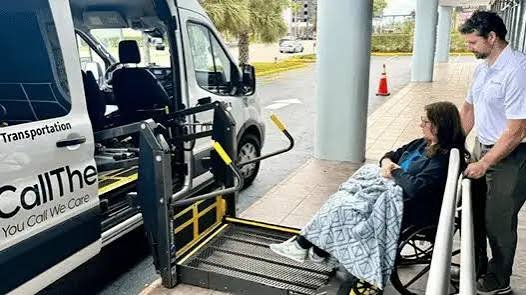
Wheelchair accessibility is an important consideration for seniors who cannot safely use an ordinary passenger vehicle. Accessible transportation may include vehicles equipped with ramps or lifts, designated wheelchair positions, and appropriate securement systems. However, equipment and vehicle dimensions can vary, so families should confirm that the available vehicle can accommodate the passenger’s specific wheelchair. Details such as wheelchair dimensions, passenger weight requirements, and whether the passenger can transfer to a regular seat may affect the arrangement. Some seniors prefer to remain in their wheelchairs during travel, while others can transfer with appropriate assistance. The transportation provider should explain its procedures and clarify what support drivers are able to provide. Families should not assume that every vehicle described as accessible will meet every passenger’s needs. Confirming equipment and boarding arrangements in advance can prevent difficulties on the travel date. A suitable accessible journey should consider passenger comfort, securement, clear communication, and sufficient time for boarding and exiting.
Transportation for Grocery Shopping and Everyday Errands
Healthcare appointments are not the only reason seniors need dependable transportation. Grocery shopping, pharmacy visits, banking, personal appointments, and other everyday errands can become difficult when an older adult cannot drive. Some seniors may be able to walk short distances but struggle to carry shopping bags or travel home with multiple purchases. Others may need assistance reaching the entrance of a store or managing mobility equipment. Families can help by identifying the destinations a senior visits regularly and arranging suitable transportation around those activities. Planning several errands in one outing may be convenient when the passenger is comfortable with the schedule and the service allows the proposed stops. However, the provider’s policies and trip arrangements should be confirmed in advance. Seniors should also consider the amount of time they need at each location. Organizing everyday transportation can help older adults remain active, complete personal tasks, and maintain greater control over their routines.
Transportation to Senior Centers and Community Activities
Social participation can contribute to an older adult’s sense of connection and belonging. Senior centers, community programs, local events, religious gatherings, hobby groups, and educational activities provide opportunities to meet people and maintain regular interests. However, transportation difficulties can prevent seniors from attending these activities, especially when events take place outside walking distance. A suitable transportation arrangement can help older adults continue participating in programs that matter to them. Families should consider event schedules, pickup locations, return times, and the passenger’s mobility requirements. If a senior uses a walker or wheelchair, the transportation option should have enough space for the equipment. Community organizations may also provide information about local transportation resources or group travel opportunities. Seniors should confirm whether a service offers individual trips, scheduled routes, or transportation limited to specific destinations. Maintaining access to community activities can help reduce isolation and support an active lifestyle. A practical transportation plan should recognize social participation as an important part of everyday life.
Understanding Public Transportation Options in King County
Public transportation may be a useful option for some older adults, depending on their mobility, travel destination, and comfort with using buses or other transit services. King County Metro provides public transportation throughout many communities, and older passengers may be eligible for reduced fares through applicable regional programs. Some seniors can use fixed-route buses independently, while others may need help understanding routes, schedules, transfers, and stop locations. Families can support them by reviewing the journey before travel and identifying accessible stops near the pickup and destination locations. For individuals whose disabilities prevent them from independently using regular fixed-route transit for some or all trips, eligibility-based paratransit services may be an option. Seniors should review current eligibility requirements and service rules rather than assume that every passenger automatically qualifies. Public transit, paratransit, and private transportation serve different purposes. Comparing these choices can help older adults select an arrangement that fits their travel needs, mobility, and preferred level of independence.
Understanding Medicaid Transportation Assistance for Seniors
Some older adults may qualify for transportation assistance through Washington Apple Health, also known as Medicaid. Eligible members who have no other way to reach covered healthcare appointments may be able to receive non-emergency medical transportation through regional brokers. This is different from arranging a private ride for shopping, social visits, or other personal activities. Eligibility depends on program requirements, the type of healthcare appointment, and the individual’s circumstances. Seniors and caregivers should contact the appropriate county transportation broker to confirm available options, required information, and booking procedures. They may need to provide appointment details, pickup information, and their ProviderOne services card information. It is important to arrange transportation according to the broker’s instructions and allow sufficient notice whenever possible. Families should not assume that every private transportation service accepts Medicaid or that every trip is covered. Understanding the difference between a public benefit and a private service helps seniors avoid unexpected costs and choose the correct arrangement for healthcare-related travel.
Planning Safe Pickups and Drop-Offs for Seniors
A safe pickup and drop-off arrangement begins with clear instructions and an understanding of the passenger’s mobility. Seniors living in apartment buildings, retirement communities, or larger residential properties may need to provide specific entrance information. Families should explain whether the passenger can walk to the vehicle independently or needs additional assistance. The pickup location should be accessible and should not require the passenger to cross unsafe areas or walk an unnecessary distance. At the destination, it is helpful to confirm the correct entrance and whether the facility provides an accessible drop-off area. Seniors should have enough time to enter and leave the vehicle without feeling rushed. Weather conditions, uneven surfaces, and nearby traffic should also be considered. The transportation provider should explain what assistance is included in its service and whether staff can accompany passengers beyond the vehicle. Clear arrangements can reduce confusion and make each journey more comfortable for older adults and their caregivers.
Managing Recurring Transportation Schedules
Many seniors have recurring appointments and activities that require transportation on a regular basis. These may include medical checkups, dialysis treatments, physical therapy, rehabilitation, community programs, and weekly errands. Managing each trip separately can become time-consuming for families, especially when several appointments take place during the same week. A recurring transportation schedule can make planning easier by recording pickup times, destinations, and return arrangements in one place. Families should ask whether the chosen provider accepts recurring reservations and how changes are handled. If an appointment is moved or canceled, the transportation provider should be informed as early as possible. It is also important to review the schedule when a senior’s mobility or assistance needs change. A regular routine can reduce uncertainty, but each booking should still be confirmed according to the provider’s process. Good organization helps seniors know what to expect and gives caregivers a clearer view of upcoming transportation responsibilities.
Choosing the Right King County Transportation for Seniors Option
Choosing the right king county transportation for seniors option requires comparing services according to the passenger’s individual needs. Some older adults may be comfortable using public transportation, while others may benefit from paratransit or private transportation. A senior who uses a wheelchair should confirm vehicle accessibility, while someone who walks independently may prioritize convenient pickup times and a suitable destination. Families should ask about service areas, booking procedures, driver assistance, pricing, cancellation policies, and the availability of recurring reservations. It is also important to understand whether the service provides transportation only or includes additional assistance. Medical monitoring and clinical care are not automatically included in ordinary transportation. Seniors who require medical support during travel may need a different service. Comparing these details before making a reservation can prevent misunderstandings. The best option is not necessarily the most expensive or the cheapest; it is the arrangement that safely and practically meets the passenger’s requirements.
How Weather and Seasonal Conditions Affect Senior Travel
Weather can influence transportation decisions for older adults, particularly those who have difficulty walking, balancing, or entering and leaving vehicles. Rain can create slippery surfaces near driveways, sidewalks, and building entrances. Cold weather may make outdoor waiting uncomfortable, while extreme heat can increase discomfort for seniors who are sensitive to high temperatures. Seasonal traffic and road conditions may also affect travel time. Families should consider these factors when choosing pickup times and preparing passengers for a journey. Appropriate clothing, comfortable footwear, and mobility equipment can make travel easier during changing weather conditions. Seniors should also receive clear information about possible delays when conditions affect transportation schedules. If a passenger has difficulty waiting outdoors, families should discuss suitable pickup arrangements with the provider. Planning around seasonal conditions can help reduce avoidable stress and support a more comfortable experience throughout the year. A little additional preparation can make a meaningful difference for older passengers.
Reducing Social Isolation Through Reliable Transportation
Social isolation can become a concern when seniors have difficulty leaving their homes or visiting people they care about. Transportation limitations may reduce opportunities to attend family gatherings, meet friends, participate in community activities, or visit familiar places. Over time, fewer social interactions can affect an older adult’s sense of connection and independence. Families can help by discussing regular opportunities for visits and activities that the senior enjoys. Transportation arrangements may support these plans by making it easier to reach community centers, social events, and family gatherings. Some older adults may prefer individual trips, while others may enjoy group transportation when suitable arrangements are available. The passenger’s comfort and preferences should guide the choice. Families should also consider return transportation so seniors do not feel uncertain about getting home. Reliable travel arrangements cannot replace personal relationships, but they can make participation in social activities more practical and accessible. Supporting regular community involvement can help older adults maintain meaningful connections.
Preparing Seniors for a Comfortable Transportation Experience
Preparing an older adult for a journey involves more than confirming a pickup time. Families should review the destination, expected travel duration, and any assistance arrangements with the passenger. Mobility aids should be ready, and important personal items should be organized before the vehicle arrives. Depending on the purpose of the trip, seniors may need identification, appointment paperwork, medication information, or a list of questions for a healthcare provider. Comfortable clothing and suitable footwear can make boarding and exiting easier. If the passenger has difficulty communicating by phone, families should provide clear instructions about whom to contact if plans change. Seniors should also understand whether a companion will accompany them and what assistance the driver can provide. It is useful to avoid rushing the passenger because extra time may be needed to move safely. A calm and organized approach can help older adults feel more confident and prepared for their journey.
The Role of Caregivers in Senior Transportation Planning
Caregivers often coordinate several responsibilities while supporting an older adult’s daily needs. They may manage medical appointments, medication schedules, household tasks, personal errands, and communication with healthcare professionals. Transportation can become an additional responsibility, particularly when a senior requires frequent trips or specialized vehicle arrangements. Caregivers can make the process more manageable by keeping a record of regular destinations, preferred pickup times, mobility requirements, and provider contact information. It is also important to involve the senior in decisions whenever possible. Asking about preferred travel times and comfort requirements helps preserve personal choice. If multiple family members share caregiving responsibilities, a common calendar can help everyone remain informed. Families should also identify backup arrangements for situations when a scheduled ride becomes unavailable. Good coordination can reduce unnecessary pressure and help caregivers support older adults more consistently. A clear transportation plan benefits both the passenger and the people involved in providing assistance.
Planning Ahead for Long-Term Senior Transportation Needs
Transportation needs may change as an older adult’s health, mobility, living arrangements, and daily routines evolve. A senior who currently walks independently may eventually need a vehicle with easier entry or additional boarding assistance. Another individual may begin attending more frequent medical appointments or require transportation to a new healthcare facility. Families should review existing arrangements periodically rather than assume that a transportation plan will remain suitable indefinitely. It is useful to maintain updated contact information, destination addresses, mobility details, and preferred travel arrangements. Seniors may also benefit from learning about public transit, paratransit eligibility, community resources, and private transportation options before they need them urgently. Planning ahead gives families more time to compare services and understand the costs and requirements. It also allows older adults to participate in decisions about their future mobility. A flexible plan can support independence while adapting to changing needs over time.
Making the Right Transportation Choice for Older Adults
Older adults have different travel needs, and the most suitable transportation option depends on mobility, destination, schedule, budget, and the type of assistance required. Some seniors may use regular public transportation, while others may qualify for paratransit or need a private transportation arrangement. Families should confirm the provider’s service area, accessibility features, booking procedures, and limitations before making a reservation. For medical appointments, it is particularly important to distinguish ordinary non-emergency transportation from services that provide medical care or monitoring. Seniors and caregivers should also consider recurring schedules, return trips, and communication arrangements. Taking time to understand the available options can make daily travel easier to organize and help older adults remain connected with healthcare providers, family members, and community activities. For seniors and families looking into transportation support in the region, Care Bridge Medical Transports can be contacted to discuss available services, service-area coverage, scheduling, and passenger assistance. A thoughtful transportation plan can help older adults maintain independence and participate more comfortably in everyday life.
About the Author