

Introduction
People managing diabetes may need to arrange regular supplies of prescribed medicines and related healthcare products. A dependable medicine delivery service can make this process more convenient, particularly when repeat orders are planned in advance. Some consumers also explore a generic diabetes medicine when reviewing medicine costs. Any change, however, must be checked with the prescribing clinician or pharmacist. Diabetes treatment is individual, and medicine selection depends on the patient’s health, prescription and clinical monitoring rather than price or online availability alone.
Why reliable medicine delivery matters
Regular access to prescribed medicines can help patients follow the treatment plan agreed with their healthcare team. Online ordering may reduce travel and provide a way to check product details before purchase. It can also help caregivers coordinate orders for family members, provided the patient’s prescription and consent are handled appropriately.
Delivery convenience does not remove the need to check medicine availability, prescription validity, storage conditions and expected arrival time. If a medicine is out of stock or delivery is delayed, patients should contact their pharmacist or doctor for guidance. They should not ration, skip or replace prescribed medicines without professional advice.
- Order with enough time to account for delivery delays.
- Keep prescription and product details accessible.
- Contact a healthcare professional if supply is interrupted.
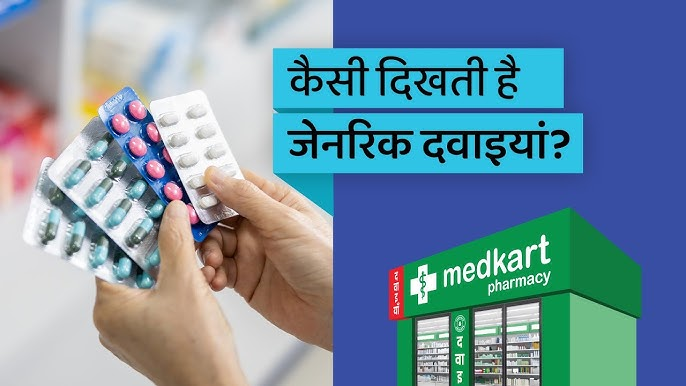
What does generic diabetes medicine mean?
A generic medicine is generally marketed by its established name rather than a particular brand. It contains an identified active ingredient and must meet applicable regulatory standards. In diabetes care, the exact ingredient, strength, dosage form and release characteristics matter. A product should not be treated as interchangeable solely because its name or packaging appears similar.
Some diabetes medicines are supplied as combinations of active ingredients, and others may have modified-release formulations. These differences can affect how a medicine is used. A pharmacist can explain whether a proposed generic product matches the prescription, while the treating doctor remains responsible for treatment decisions. Patients should never switch medicines or alter a dose based only on a price comparison.
- Check the active ingredient and strength on the label.
- Confirm formulation and release type with a pharmacist.
- Do not substitute or change treatment independently.
How to check an online diabetes medicine listing
Before ordering, compare the medicine name, active ingredient, strength, dosage form, pack quantity and manufacturer information with the prescription. Check whether the pharmacy requests a prescription for products that require one. Review the product description carefully and contact customer support if any detail is missing or unclear.
Also review the delivery fee, estimated timeline, payment options and return or complaint process. Diabetes medicines may have product-specific storage instructions, so check the packaging and patient information. A listing that appears inexpensive may not be a like-for-like comparison if it shows a different strength, pack size or formulation.
- Match the listing to the written prescription.
- Review pack size and final price, including delivery.
- Check storage information and pharmacy support.

Questions to ask before considering a generic option
Patients can ask their pharmacist whether a generic product contains the same active ingredient and strength as the prescribed medicine, whether the dosage form is equivalent and whether any special instructions apply. If the patient takes several medicines, it is important to disclose the full medication list so the pharmacist can identify questions that may need the doctor’s attention.
Patients should also ask how the medicine should be stored, what to do if a dose is missed and which warning signs require medical attention. These are individual treatment questions and should be answered using the prescription, patient leaflet and clinician’s advice. Generic status alone does not determine whether a product is appropriate for a particular person.
- Ask about ingredient, strength and formulation equivalence.
- Discuss other medicines and relevant health conditions with the clinician.
- Use the patient leaflet and professional advice for medicine-specific questions.
Building a safe repeat-order routine
A simple system can help patients avoid last-minute orders. Keep a list of current medicines, note when supplies are running low and check prescription renewal dates. Use a consistent pharmacy where possible so that product and order histories are easier to review. Caregivers should confirm the patient’s current prescription before arranging a repeat purchase.
Patients should not continue a medicine indefinitely without the recommended clinical review. Diabetes management may change over time, and the healthcare team may adjust treatment based on monitoring and other health factors. If a patient experiences side effects, unusual symptoms or concerns about the medicine, they should contact their doctor rather than changing the treatment on their own.
- Maintain an up-to-date medicine list.
- Plan repeat orders around the authorised prescription.
- Keep scheduled diabetes reviews and monitoring appointments.
Conclusion
A reliable medicine delivery process can support continuity for people managing diabetes, but every order should be checked against the current prescription. A generic diabetes medicine may be an option only when the product’s ingredient, strength and formulation are appropriate and the pharmacist or prescriber confirms the substitution. Medkart users should review product and delivery information carefully and seek professional advice before making any treatment change.
About the Author