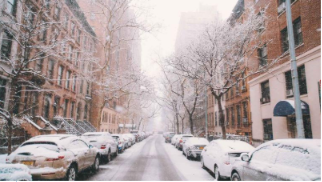
As winter approaches, reliable heating becomes one of the most important concerns for New York City residents. A warm apartment is not simply a comfort; it is an essential part of safe housing. Unfortunately, some tenants experience broken heating systems, cold rooms, or delayed repairs during the winter months.
The New York Heating Law establishes clear requirements for landlords and provides protections for tenants who do not receive adequate heat. Understanding these rules can help renters protect their rights and help property owners meet their legal responsibilities.
What Is the New York Heating Law?
New York City requires residential building owners to provide adequate heat during the official heating season, which runs from October 1 through May 31.
The law sets minimum indoor temperature requirements based on the time of day and outdoor temperature.
Here are the basic requirements:
- Daytime: Between 6 a.m. and 10 p.m., indoor temperatures must reach at least 68°F when the outdoor temperature falls below 55°F.
- Nighttime: Between 10 p.m. and 6 a.m., indoor temperatures must remain at least 62°F, regardless of the outdoor temperature.
- Hot water: Landlords must provide hot water throughout the year, with a minimum temperature of 120°F.
These requirements help ensure that tenants can live in safe and comfortable conditions throughout the colder months.
What Responsibilities Do NYC Landlords Have?
Landlords must maintain functioning heating systems and ensure that every residential unit receives the legally required level of heat. They cannot ignore heating complaints or delay necessary repairs without addressing the problem.
Their responsibilities generally include:
- Maintaining boilers, radiators, and other heating equipment.
- Responding promptly to reports of insufficient heat.
- Arranging necessary inspections and repairs.
- Providing hot water throughout the year.
- Maintaining building systems that support safe living conditions.
Failure to provide required heat or hot water can result in housing violations and financial penalties. NYC’s Department of Housing Preservation and Development (HPD) investigates complaints and can issue violations when inspections confirm inadequate conditions.
What Can Tenants Do When Their Apartment Has No Heat?
Tenants should not have to tolerate freezing indoor temperatures or repeated heating interruptions. If your apartment does not receive adequate heat, take practical steps to document the problem and report it.
. Contact Your Landlord
Start by notifying your landlord, property manager, or building superintendent. Explain the problem and request an immediate inspection or repair. Whenever possible, communicate in writing so you have a record of your complaint.
. Record Indoor Temperatures
Use a reliable thermometer to monitor the temperature inside your apartment. Note the date, time, and temperature readings. Photographs of the thermometer can also help document the conditions.
. File a Complaint With 311
If the landlord does not resolve the issue, tenants can contact NYC 311 by phone or submit a complaint online. HPD may investigate the building, inspect the apartment, and issue a violation if the conditions break the law.
. Keep All Supporting Records
Save emails, text messages, repair requests, photographs, inspection details, and complaint numbers. These records may become important if the dispute continues or requires legal action.
What Happens When Landlords Violate Heating Requirements?
When HPD confirms that a building does not meet heating requirements, it can issue a violation to the property owner. Inadequate heat is classified as an immediately hazardous Class C violation, which requires immediate correction after notice.
Landlords who fail to correct confirmed violations may face daily civil penalties. Repeated violations can lead to higher penalties and further enforcement action.
Property owners should therefore treat heating complaints seriously and arrange repairs as quickly as possible.
Can Tenants Take Legal Action for Heating Problems?
Yes. When a landlord repeatedly fails to provide required heat or hot water, tenants may have legal options.
Depending on the circumstances, tenants may consider:
- Filing a complaint with HPD.
- Seeking assistance through NYC Housing Court.
- Exploring a claim involving the warranty of habitability.
- Discussing possible rent abatement or other remedies with a tenant attorney.
However, tenants should not automatically stop paying rent because of a heating problem. Rent withholding and other legal remedies can involve risks, so it is important to understand the applicable procedures before taking action.
Why Legal Guidance Can Make a Difference
Heating disputes can become complicated when landlords deny responsibility, delay repairs, or disagree with tenants about the seriousness of a problem.
A knowledgeable attorney can review the facts, explain applicable tenant protections, organize supporting evidence, and help determine the appropriate legal approach.
For NYC renters, understanding the New York Heating Law can be an important step toward resolving heating disputes and maintaining safe living conditions.
The New York Heating Law protects NYC tenants by requiring landlords to provide adequate heat during the heating season and hot water throughout the year. Tenants should document heating problems, notify their landlords, and contact 311 when necessary.
Landlords, meanwhile, should maintain their heating systems and respond promptly to complaints. Taking these responsibilities seriously can prevent disputes and help ensure that every resident has a safe and warm home.
About the Author