
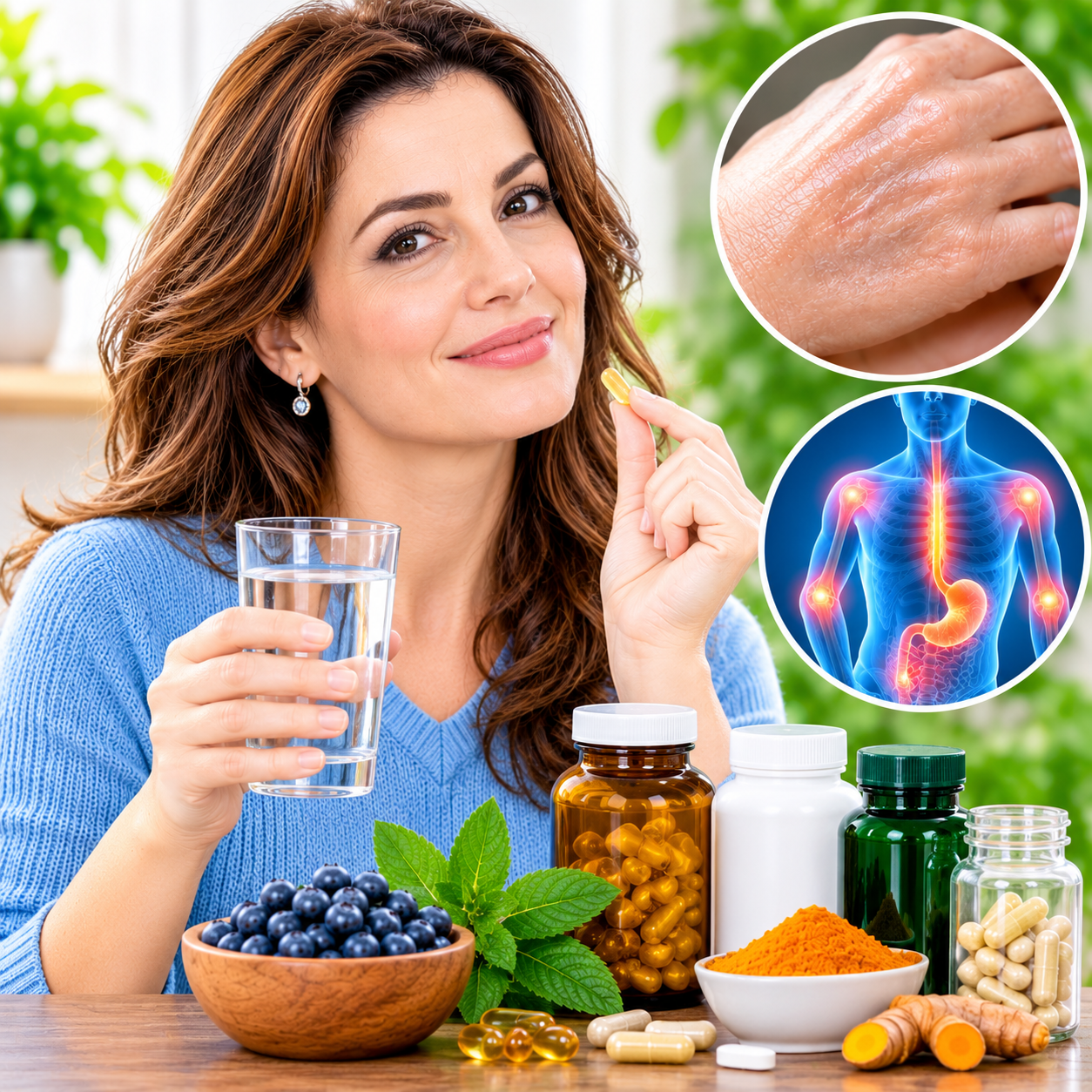
Scleroderma and Nutrition: A balanced diet and medically guided supplements may help support overall health and nutritional well-being.
Living with scleroderma can present several health challenges, affecting the skin, blood vessels, connective tissues, and sometimes internal organs. Also known as systemic sclerosis, this chronic autoimmune condition can cause inflammation, skin thickening, digestive difficulties, joint discomfort, and circulation problems. Although medical treatment is essential for managing the disease, nutrition may also play an important role in supporting overall health and well-being.
Scleroderma and Nutrition are closely connected because the condition can affect how the body digests food, absorbs nutrients, and maintains a healthy weight. Some individuals experience acid reflux, bloating, constipation, or difficulty swallowing, which can make it challenging to obtain adequate nutrients through everyday meals. A balanced diet, combined with appropriate nutritional supplements when needed, may help address deficiencies and support normal body functions.
While no supplement has been proven to cure scleroderma or reverse its progression, certain vitamins, minerals, and natural compounds have attracted scientific interest. Here are nine supplements that may support people living with scleroderma when used under appropriate medical guidance.
1. Vitamin D for Bone and Immune Health
Vitamin D is an important nutrient that supports bone strength, calcium absorption, and normal immune system function. Research suggests that people with systemic sclerosis may have lower vitamin D levels than the general population.
Limited sunlight exposure, dietary restrictions, and digestive absorption problems may contribute to vitamin D deficiency in some individuals.
Maintaining adequate vitamin D levels is particularly important because people with chronic autoimmune conditions may also experience reduced bone density or other factors that affect skeletal health.
Potential benefits include:
- Supporting healthy bones and teeth.
- Helping the body absorb calcium.
- Maintaining normal immune system function.
- Supporting muscle function.
Vitamin D supplements may be helpful for individuals with confirmed deficiency. A healthcare professional can recommend an appropriate dosage based on blood test results, kidney function, and individual health requirements.
2. Omega-3 Fatty Acids for Inflammation Support
Omega-3 fatty acids are healthy fats commonly found in fatty fish, flaxseeds, chia seeds, and walnuts. They are particularly known for their role in supporting cardiovascular health and regulating inflammatory processes.
Inflammation plays an important role in autoimmune diseases, including systemic sclerosis. For this reason, researchers have investigated whether omega-3 fatty acids may offer additional health benefits.
Some preliminary research suggests that omega-3s may help support a healthy inflammatory response and circulation. However, more clinical studies are needed to establish their specific benefits for scleroderma.
Potential benefits include:
- Supporting cardiovascular health.
- Helping maintain normal inflammatory responses.
- Supporting healthy blood vessel function.
- Providing essential fats for general well-being.
People who do not regularly consume fish may discuss fish oil or algae-based omega-3 supplements with their healthcare providers. Individuals taking blood-thinning medications should seek medical advice before using concentrated omega-3 products.
3. Calcium for Strong Bones and Teeth
Calcium is an essential mineral responsible for maintaining strong bones and teeth. It also plays a role in muscle contraction, nerve signaling, and several other important bodily functions.
People living with chronic illnesses may have an increased risk of nutritional deficiencies, particularly when digestive problems interfere with food intake or nutrient absorption.
For individuals with scleroderma, maintaining sufficient calcium intake can help support long-term bone health. Dairy products, fortified plant-based milk, leafy green vegetables, and calcium-rich foods are useful dietary sources.
Potential benefits include:
- Maintaining bone strength.
- Supporting normal muscle function.
- Helping maintain healthy nerve signaling.
- Supporting overall skeletal health.
Calcium supplements may be considered when dietary intake is insufficient. However, excessive calcium supplementation can cause problems, including kidney stones in susceptible individuals. Supplementation should therefore be based on individual nutritional needs and medical advice.
4. Vitamin C for Antioxidant Support
Vitamin C is a water-soluble antioxidant that helps protect cells from oxidative stress. It also plays an essential role in collagen formation, wound healing, and normal immune function.
Because scleroderma affects connective tissues and collagen regulation, researchers have explored the potential relationship between antioxidant nutrients and the condition.
Vitamin C is naturally present in oranges, strawberries, kiwi, bell peppers, broccoli, and other fruits and vegetables.
Potential benefits include:
- Supporting normal collagen formation.
- Helping protect cells from oxidative stress.
- Supporting immune system function.
- Promoting normal wound healing.
Although vitamin C is important for general health, there is currently insufficient clinical evidence that high-dose supplementation improves skin thickening or prevents fibrosis in people with scleroderma.
Obtaining vitamin C through a balanced diet is generally preferable. High-dose supplements may cause digestive discomfort and should not be taken without professional guidance.
5. Vitamin E for Antioxidant Protection
Vitamin E is another antioxidant nutrient that helps protect cell membranes from oxidative damage. It also supports normal immune function and helps maintain healthy skin.
Some research has explored vitamin E as a complementary approach for people with systemic sclerosis. However, the available evidence remains limited, and its ability to improve disease-related symptoms has not been firmly established.
Vitamin E is found in almonds, sunflower seeds, vegetable oils, spinach, and avocados.
Potential benefits include:
- Supporting cellular antioxidant protection.
- Helping maintain healthy skin.
- Supporting normal immune function.
- Contributing to overall nutritional health.
Although vitamin E is important, high-dose supplements may increase bleeding risk, particularly in individuals taking anticoagulant or antiplatelet medications. Always discuss supplementation with a healthcare professional.
6. Probiotics for Digestive Health
Digestive problems are common among people with systemic sclerosis. The condition can affect the muscles and nerves responsible for moving food through the digestive tract, potentially contributing to bloating, constipation, reflux, and other gastrointestinal symptoms.
Probiotics are beneficial microorganisms that may help maintain a healthy balance of intestinal bacteria.
Some individuals explore probiotic supplements to support digestive health, particularly when experiencing changes in bowel habits or bloating.
Potential benefits include:
- Supporting a balanced gut microbiome.
- Helping maintain normal digestive function.
- Supporting intestinal health.
- Potentially improving certain digestive symptoms.
However, clinical evidence for probiotics in scleroderma remains limited. A 2025 systematic review found that the available evidence was of low to very low certainty, meaning that their effectiveness cannot yet be established confidently.
People with severe digestive complications or weakened immune systems should consult their healthcare providers before using probiotic products.
7. Curcumin for Antioxidant and Inflammatory Support
Curcumin is a naturally occurring compound found in turmeric, a popular spice used in traditional cooking and herbal preparations.
It has attracted scientific attention because of its antioxidant and anti-inflammatory properties. Researchers have also investigated its potential effects on fibrosis, which involves excessive connective tissue formation.
Some laboratory and preclinical studies suggest that curcumin may influence biological pathways associated with inflammation and fibrosis. However, these findings do not establish that turmeric supplements can treat scleroderma in humans.
Potential benefits being investigated include:
- Supporting antioxidant activity.
- Helping regulate inflammatory pathways.
- Supporting general cellular health.
- Potentially influencing processes involved in fibrosis.
Turmeric can be included in everyday meals as part of a balanced diet. Concentrated curcumin supplements require greater caution because they may interact with medications and can cause gastrointestinal problems. Some enhanced-absorption formulations have also been associated with liver injury.
People taking blood thinners or medications for chronic conditions should obtain medical advice before using curcumin supplements.
8. L-Arginine for Circulation Support
L-arginine is an amino acid that helps the body produce nitric oxide, a compound involved in relaxing blood vessels and supporting normal circulation.
Circulation problems are particularly relevant to scleroderma because the condition can affect small blood vessels. Some individuals experience Raynaud’s phenomenon, which causes fingers and toes to become unusually cold, numb, or discolored in response to cold temperatures or stress.
Researchers have investigated whether L-arginine may help support blood vessel function through its involvement in nitric oxide production.
Potential benefits being studied include:
- Supporting normal blood vessel function.
- Contributing to nitric oxide production.
- Supporting healthy circulation.
- Helping maintain normal cardiovascular function.
However, evidence supporting L-arginine supplementation specifically for scleroderma is limited. It may also interact with blood pressure medications and certain cardiovascular treatments.
People with kidney disease, low blood pressure, or significant cardiovascular complications should not use L-arginine without medical supervision.
9. Zinc for Immune and Skin Health
Zinc is an essential mineral involved in immune system function, wound healing, protein production, and normal cell growth.
Adequate zinc intake is important for maintaining healthy skin and supporting the body’s natural repair processes. Individuals experiencing digestive difficulties may sometimes struggle to obtain sufficient amounts of essential minerals.
Food sources include meat, seafood, pumpkin seeds, beans, nuts, and whole grains.
Potential benefits include:
- Supporting normal immune function.
- Helping maintain healthy skin.
- Supporting wound healing.
- Contributing to normal cellular function.
Zinc supplementation may be appropriate for people with a confirmed deficiency or inadequate dietary intake. However, excessive zinc can cause nausea and interfere with copper absorption, potentially leading to additional health problems.
A healthcare professional can help determine whether supplementation is necessary.
Natural Remedies for Scleroderma, Herbal Care Products, and Their Role in Wellness
Many people with chronic autoimmune conditions explore complementary approaches alongside conventional medical treatment. Natural Remedies for Scleroderma, Herbal Care Products are often discussed in connection with antioxidant support, skin comfort, digestive wellness, and general health.
Turmeric, ginger, rosemary, and other culinary herbs contain naturally occurring compounds that have attracted interest for their antioxidant properties. Aloe vera-based skincare products and gentle moisturizers may also help support skin comfort, although they do not treat the underlying autoimmune disease.
It is important to understand that natural products are not automatically safe. Herbal supplements may interact with prescription medications, affect blood pressure, or cause unwanted side effects. People with scleroderma should consult their rheumatologists before introducing new herbal preparations or concentrated botanical products.
Complementary approaches should always remain secondary to evidence-based medical care.
Additional Nutrition Tips for People Living with Scleroderma
Supplements are only one part of a healthy nutrition plan. Everyday dietary choices can also make a meaningful difference in supporting general well-being.
Here are some practical suggestions:
1. Eat balanced meals: Include vegetables, fruits, whole grains, lean proteins, and healthy fats to obtain a variety of essential nutrients.
2. Choose smaller meals: People experiencing acid reflux or digestive discomfort may find smaller, more frequent meals easier to tolerate.
3. Stay hydrated: Drinking adequate fluids supports normal digestion and helps maintain overall bodily functions. Fluid requirements may need adjustment in people with heart or kidney complications.
4. Include protein-rich foods: Eggs, fish, poultry, beans, yogurt, and other protein sources help support muscle maintenance and tissue repair.
5. Identify food triggers: Certain foods may worsen reflux, bloating, or other digestive symptoms. Keeping a food diary can help identify individual triggers.
6. Monitor nutritional deficiencies: Regular medical assessments can help identify deficiencies and determine whether supplements are necessary.
A registered dietitian familiar with systemic sclerosis can help create an eating plan that accommodates individual symptoms and nutritional requirements.
Important Precautions Before Taking Supplements
Although nutritional supplements may help address specific deficiencies, they should never replace prescribed scleroderma medications or medical treatment.
Not every supplement is suitable for every individual. Scleroderma can affect the kidneys, lungs, heart, digestive system, and blood vessels, making personalized medical guidance particularly important.
Before starting a supplement, consider the following:
- Discuss all supplements with your rheumatologist.
- Check for possible interactions with prescription medications.
- Avoid taking multiple products containing the same vitamins or minerals.
- Choose reputable products with independently verified quality when possible.
- Have relevant nutrient levels assessed when recommended.
- Stop using a product and seek medical advice if unexpected side effects occur.
If you experience unexplained weight loss, persistent digestive symptoms, difficulty swallowing, or reduced food intake, seek medical assessment rather than relying on supplements alone.
Conclusion
Nutrition can play a valuable supporting role in the overall management of scleroderma. Although no vitamin, mineral, or Herbal Care Products has been proven to cure the condition, nutrients such as vitamin D, omega-3 fatty acids, calcium, vitamin C, vitamin E, probiotics, curcumin, L-arginine, and zinc may offer benefits in specific circumstances.
The most important approach is to maintain a balanced diet, identify nutritional deficiencies, manage digestive symptoms, and work closely with qualified healthcare professionals.
By combining appropriate nutrition with evidence-based medical treatment, people living with scleroderma can take practical steps toward supporting their general health, nutritional well-being, and quality of life.
Medical Disclaimer: This article is for educational purposes only and is not a substitute for professional medical advice, diagnosis, or treatment. Always consult a qualified healthcare professional before starting any supplement, particularly if you have systemic sclerosis or take prescription medications.
About the Author