The area around the mouth plays an important role in facial expression and overall appearance. It moves constantly during speaking, smiling, eating, and other everyday activities. Over time, changes in collagen, skin elasticity, facial volume, and underlying support can make this area appear different. Fine lines may become more noticeable, folds can deepen, and the corners of the mouth may begin to look less supported. These changes are a natural part of aging, but they can influence how refreshed or balanced the face appears.
Sculptra is an injectable collagen biostimulator that works differently from conventional fillers. Instead of relying only on immediate volume, it encourages the body’s natural collagen production to support gradual improvement in selected facial concerns. However, treating the area around the mouth requires careful assessment because different lines have different causes, and not every concern is suitable for the same injectable approach.
Understanding how the treatment works, which areas may be considered, what results are realistic, and which safety factors matter can help individuals make informed decisions about facial rejuvenation.
Understanding Changes Around the Mouth
The skin around the mouth is affected by repeated facial movements, natural aging, environmental exposure, and changes in facial structure. These factors can gradually influence the appearance of the upper lip area, smile lines, chin, and lower face.
Common Signs of Aging Around the Mouth
Several changes may develop in this region:
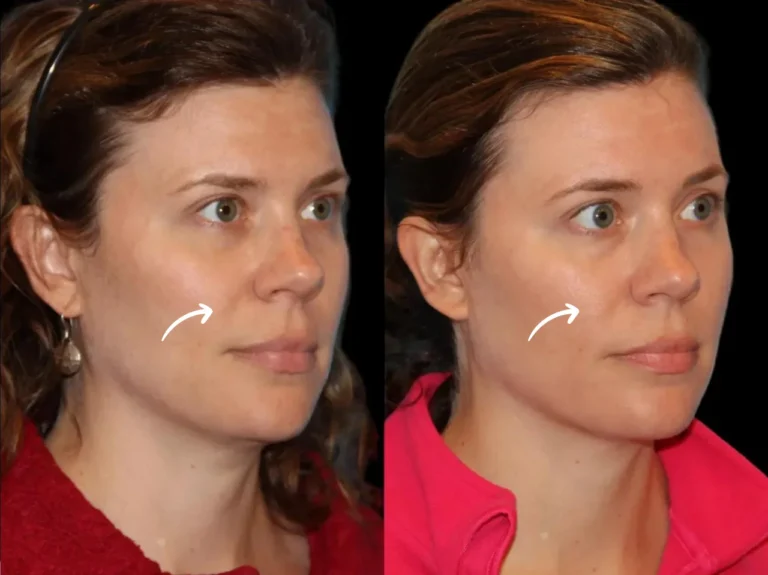
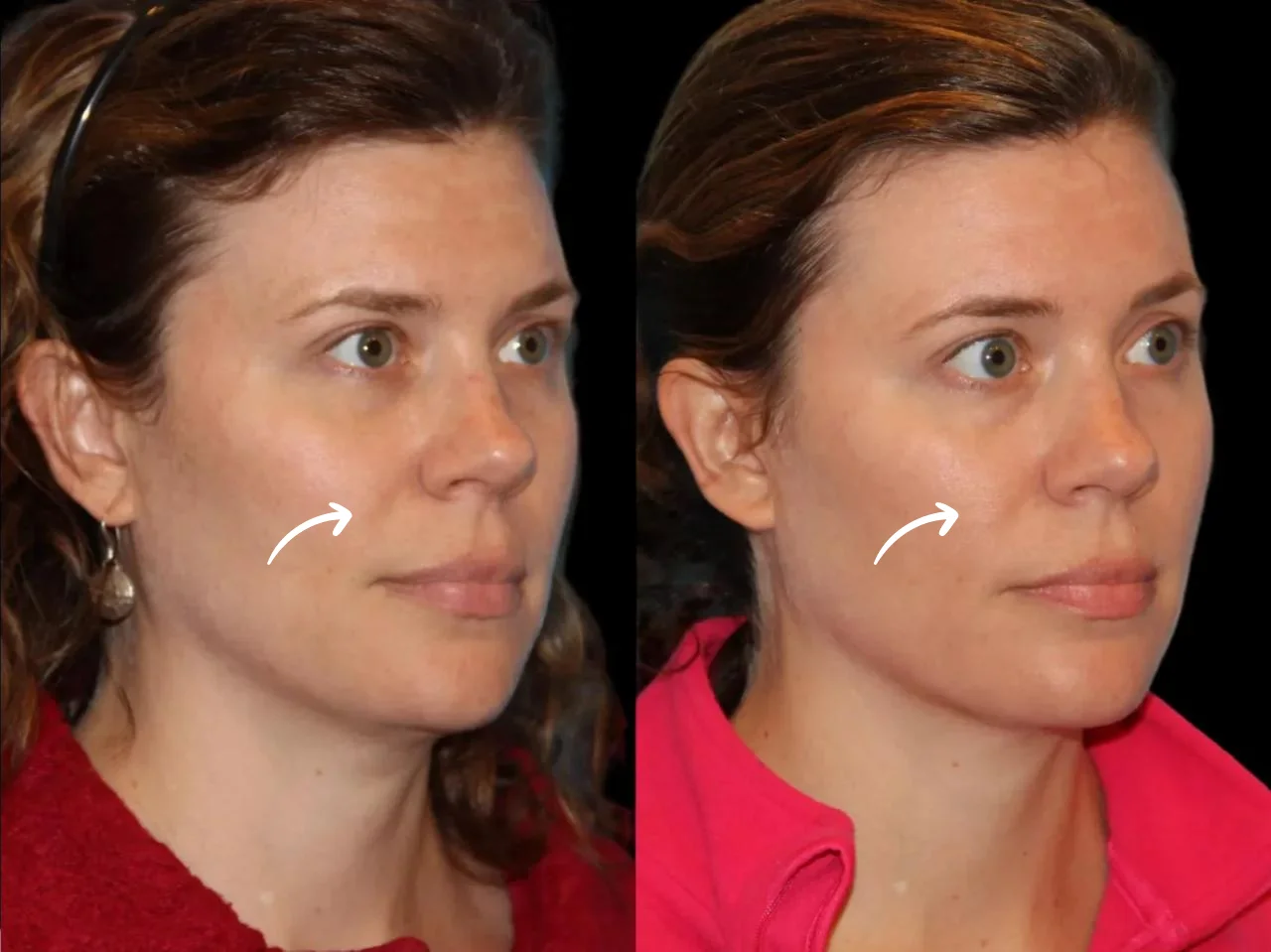
- Nasolabial folds: Lines extending from the sides of the nose toward the corners of the mouth.
- Marionette lines: Folds that extend downward from the corners of the mouth toward the chin.
- Perioral lines: Fine vertical wrinkles that appear around the lips.
- Reduced skin firmness: The skin may become less elastic as collagen levels decline.
- Changes in facial volume: Reduced support in nearby areas can make folds and creases appear more prominent.
These concerns do not always develop independently. For example, reduced cheek support may contribute to the appearance of deeper folds around the nose and mouth. A proper assessment therefore considers the surrounding facial structure instead of focusing on one line alone.
Why Collagen Matters
Collagen is a structural protein that helps maintain skin firmness and support. As natural collagen production decreases with age, the skin may gradually lose some of its resilience. Repeated facial movements can also contribute to the development of visible expression lines.
A collagen-stimulating treatment may be considered when the objective is to improve selected age-related wrinkles and support gradual changes in facial structure. It is important to understand that collagen stimulation does not stop aging or remove every expression line.
How Sculptra Fillers in Dubai Support Facial Rejuvenation
Sculptra Fillers in Dubai are considered for selected facial wrinkles and volume-related concerns through a treatment approach that stimulates the body’s natural collagen response. The active ingredient, poly-L-lactic acid (PLLA), encourages collagen formation over time rather than functioning like a traditional filler that primarily provides immediate volume.
How the Collagen-Stimulating Process Works
Sculptra contains small particles of poly-L-lactic acid. Once appropriately prepared and injected by a trained practitioner, the product stimulates a response that encourages collagen production in the treated tissue.
The process develops gradually. Any fullness immediately after treatment may partly result from the fluid used during preparation and temporary injection-related swelling. As this swelling settles, the initial appearance may change before longer-term collagen-related improvements become noticeable.
This is why treatment planning should focus on gradual progress rather than expecting a dramatic transformation immediately after an appointment.
What It May Address Around the Mouth
Sculptra may be considered for selected facial wrinkles and folds, including certain concerns around the mouth. Its potential role depends on the location, depth, and cause of the lines.
For example, deeper folds may be associated with changes in facial volume and structural support, while fine lines directly around the lips may have different causes. A practitioner must determine whether collagen stimulation is appropriate or whether another treatment approach would better address the concern.
Sculptra should not be injected into the red part of the lips. Treatment around this delicate region requires product-specific knowledge, careful technique, and an understanding of the limitations of the procedure.
Why Results Are Not Immediate
Collagen formation takes time. Some individuals may notice gradual changes over several weeks, while further improvements can develop over the following months. The timeline varies according to individual biology, the treatment plan, and the area being addressed.
A practitioner may recommend more than one session, with suitable intervals between appointments. The number of sessions should be based on clinical assessment rather than a fixed schedule applied to everyone.
Understanding Different Lines and Folds Around the Mouth
Identifying the type of line is an important part of choosing an appropriate treatment. Two people may describe their concern as wrinkles around the mouth, but the underlying causes can be quite different.
Nasolabial Folds
Nasolabial folds run from the sides of the nose toward the mouth. They are influenced by facial anatomy, skin quality, volume changes, and the natural movement of facial tissues.
Sculptra may be considered for suitable nasolabial fold concerns where collagen stimulation is appropriate. The practitioner should assess the depth of the folds and surrounding facial support before deciding on a treatment plan.
Marionette Lines
Marionette lines extend downward from the corners of the mouth. They may become more noticeable as facial support changes and skin elasticity decreases.
The assessment should consider the lower cheeks, jawline, chin, and the position of the mouth corners. Treating only the visible crease may not address all the factors contributing to its appearance.
Fine Lines Around the Lips
Fine vertical lines around the lips are sometimes associated with repeated muscle movement, skin changes, and environmental exposure. These lines require particular care because the skin in this area is delicate.
Sculptra is not intended for injection into the red portion of the lips, and it should not be assumed to be the right choice for every fine line around the mouth. A qualified practitioner should explain which treatment options are suitable for the specific concern.
Choosing the Best Aesthetic Clinic in Dubai for a Facial Assessment
Choosing the Best Aesthetic Clinic in Dubai involves more than comparing treatment names or advertised results. A suitable clinic should provide a detailed consultation, explain the limitations of collagen-stimulating procedures, and prioritize safe product use. The best aesthetic clinic should also make sure that treatment recommendations are based on facial anatomy, medical history, skin condition, and realistic expectations.
At Perfect Doctors Clinic, an individualized assessment can help determine whether Sculptra is appropriate for the concerns around the mouth or whether another approach may be more suitable. Clear communication about the treatment process, potential side effects, expected timeline, and aftercare is an important part of responsible aesthetic planning.
What to Discuss During Consultation
A useful consultation should cover:
- The specific lines or folds that are causing concern.
- Whether the changes are related to volume loss, skin quality, or repeated muscle movement.
- Previous filler treatments or other facial procedures.
- Relevant allergies, medical conditions, and medications.
- Expected results and the limitations of the proposed treatment.
- Possible side effects and follow-up requirements.
Individuals should also have the opportunity to ask questions and understand alternative options before making a decision.
Why Practitioner Experience Matters
Injectable treatments require knowledge of facial anatomy, product preparation, injection depth, and appropriate placement. The area around the mouth contains structures that move frequently, so treatment decisions must account for both facial appearance and function.
A trained practitioner should avoid overcorrection and explain why a particular area may or may not be suitable. Good treatment planning focuses on balanced results rather than trying to eliminate every natural crease.
What Happens During a Sculptra Treatment Session?
The exact process depends on the clinical plan, but treatment generally involves consultation, preparation, injection, and aftercare guidance.
Initial Assessment
The practitioner examines the lower face and identifies the areas contributing to the visible concern. They may assess the cheeks, nasolabial folds, mouth corners, chin, and surrounding skin.
Medical history and previous aesthetic treatments should also be reviewed. This information helps determine suitability and identify any precautions that may affect the procedure.
Preparing the Treatment Area
Before treatment, the skin is cleaned, and the practitioner identifies the planned injection points. The product must be prepared according to its instructions. Appropriate comfort measures may be used depending on the clinical approach.
Administering the Injections
Sculptra injections are placed into selected tissue using a technique appropriate to the treatment area and product instructions. The practitioner determines the placement and amount based on facial anatomy and the intended correction.
The procedure may involve temporary tenderness, redness, swelling, or bruising. The duration of the appointment depends on the number of areas being assessed and treated.
Post-Treatment Instructions
After the procedure, the practitioner explains how to care for the treated area. Instructions may include guidance about massage when recommended, skin care, sun exposure, and activities to avoid temporarily.
Following these instructions and attending recommended follow-up appointments helps the practitioner monitor the response and address concerns.
Who May Be Suitable for Treatment?
Sculptra may be considered for adults who want gradual improvement in selected facial wrinkles or volume-related changes. However, suitability depends on medical history, treatment goals, skin condition, and the area being considered.
A person may be a potential candidate if they:
- Have suitable facial wrinkles or folds that may respond to collagen stimulation.
- Prefer gradual changes rather than immediate volume enhancement.
- Understand that results vary between individuals.
- Have realistic expectations about the procedure.
- Can follow the recommended aftercare instructions.
The treatment is not appropriate for everyone. Individuals with a known allergy to any product ingredient or a history of keloid formation or hypertrophic scarring should not receive it under the stated product safety guidance. Treatment should also be postponed if there is an active infection, rash, or skin inflammation in the intended area.
Safety has not been established for individuals who are pregnant or breastfeeding. A practitioner should review the applicable product instructions and medical history before recommending treatment.
Sculptra Compared With Other Injectable Treatments
Different injectable treatments address different concerns. Understanding their mechanisms helps explain why one option may be more appropriate than another.
Collagen Stimulation Versus Immediate Volume
Sculptra encourages the body’s collagen-building response, so changes develop gradually. Hyaluronic acid fillers, in comparison, primarily add volume through the placement of a gel-like material beneath the skin. Their effects are generally visible sooner, although temporary swelling can influence the initial appearance.
The phrase sculptra dermal filler is sometimes used in general discussions, but Sculptra’s collagen-stimulating mechanism differs from that of conventional hyaluronic acid fillers.
Matching the Treatment to the Concern
A deeper fold associated with volume changes may require a different approach from fine lines caused mainly by repeated muscle movement. Skin texture concerns may also need a separate treatment strategy.
The term sculptra fillers may describe collagen-stimulating treatment discussions, but it should not be interpreted as meaning that the product works in exactly the same way as every other injectable filler. The practitioner should explain the expected benefits and limitations of each option.
Understanding the Cost of Treatment
The overall cost depends on the amount of product required, the number of sessions, the treatment area, and the clinical plan. Since results develop progressively, the complete plan may involve more than one appointment.
Factors That Influence Pricing
The main factors may include:
- Treatment requirements: The type and extent of the facial concern influence the plan.
- Product quantity: The required amount depends on the area and clinical assessment.
- Number of sessions: Additional sessions may be recommended when appropriate.
- Practitioner expertise: Training and experience are important considerations for injectable procedures.
- Follow-up care: Assessment appointments may form part of the overall treatment plan.
Why an Individual Estimate Is Important
The Sculptra Cost in Dubai should be discussed after an assessment because treatment requirements differ from one person to another. The overall sculptra cost may depend on product quantity and the number of appointments recommended.
Ask for a clear explanation of what the proposed price includes. The sculptra price should be considered alongside practitioner qualifications, product suitability, treatment planning, and follow-up arrangements rather than being the only factor in a decision.
Understanding Other Sculptra Treatment Terms
Online aesthetic discussions may include several terms for different treatment areas. These phrases should not be taken as confirmation that every use is suitable, established, or authorized.
Facial Treatment Areas
The phrase sculptra face generally refers to facial rejuvenation using collagen stimulation. Depending on the product instructions and clinical assessment, facial treatment discussions may include selected wrinkles and areas affected by volume changes.
The term sculptra cheeks is associated with cheek-related concerns, while sculptra for neck may appear in discussions about neck skin. However, suitability and authorization can differ by area, and a treatment approved for one facial region should not automatically be assumed appropriate for another.
Body-Contouring Terms
Phrases such as sculptra for buttocks, sculptra buttock injections, and buttocks sculptra are sometimes used in discussions about buttock volume or contour. Similarly, sculptra for hip dips and sculptra filler for buttocks refer to body-shaping concerns.
These terms do not establish that Sculptra is approved or suitable for buttock augmentation or hip-dip correction. The evidence and regulatory status for body applications must be considered separately. The FDA advises against using dermal fillers for buttock enlargement and other body-contouring purposes. Individuals should be cautious about claims promising simple or risk-free body enhancement and should discuss the evidence, alternatives, and potential complications with a qualified medical professional.
The Importance of Experienced Aesthetic Professionals
When evaluating the Best Doctors in Dubai, consider professional credentials, experience with injectable procedures, knowledge of facial anatomy, and the ability to explain risks clearly. A responsible practitioner should assess the entire lower face and discuss whether collagen stimulation is likely to address the concern.
During a consultation, Dr. Perfect Celebrity can be discussed in the context of individualized aesthetic planning, treatment suitability, and the importance of realistic expectations. Individuals should receive enough information to make a considered decision without feeling pressured into a procedure.
Possible Side Effects and Safety Considerations
Sculptra can cause temporary injection-related reactions. Common effects include swelling, tenderness, redness, pain, bruising, itching, and small lumps. Some nodules may become noticeable beneath the skin, and larger or delayed lumps can also occur.
More serious complications are possible if the product is injected into a blood vessel. This can cause vascular blockage and tissue damage. Severe or unusual pain, changes in skin color, or visual symptoms after an injection require urgent medical attention.
The practitioner should explain the potential complications before treatment and provide clear instructions about when to seek medical help. Treatment should only be performed by a suitably trained professional who follows product-specific injection requirements.
Aftercare and Monitoring
Aftercare instructions should be tailored to the procedure and the individual’s response. General considerations may include:
- Follow the practitioner’s specific instructions about facial massage.
- Avoid unnecessary pressure or manipulation of the treated area.
- Keep the skin clean and follow guidance about makeup and skincare.
- Limit strenuous activity for the period recommended by the practitioner.
- Protect the skin from excessive sun exposure.
- Attend follow-up appointments as advised.
Do not introduce additional massage routines or apply strong products without checking whether they are appropriate. Contact the treating practitioner if swelling becomes increasingly painful, redness worsens, or unusual lumps or skin changes develop.
Conclusion
Changes around the mouth can result from several factors, including reduced collagen, changes in facial volume, skin elasticity, and repeated expression movements. Sculptra may be considered for selected facial wrinkles and folds because it encourages gradual collagen production rather than relying solely on immediate volume.
The most important step is identifying the cause of the concern and determining whether the treatment is appropriate for the specific area. A thorough consultation, realistic expectations, suitable injection technique, and clear aftercare guidance all contribute to responsible aesthetic planning.
Frequently Asked Questions
1. Can Sculptra Help Improve Lines Around the Mouth?
Sculptra may be considered for selected facial wrinkles and folds, including certain concerns around the mouth. Suitability depends on the type, depth, and cause of the lines, as well as the applicable product instructions.
2. Does Sculptra Provide Immediate Results?
No. Sculptra works by stimulating collagen production, so improvements develop gradually. Temporary swelling immediately after treatment should not be confused with the longer-term result.
3. Can Sculptra Be Injected Directly Into the Lips?
Sculptra should not be injected into the red portion of the lips. The treatment is not a lip-plumping procedure, and the practitioner must follow the product’s specific injection instructions.
4. How Long Does It Take to See Improvements?
The timeline varies. Some changes may become noticeable over several weeks, with further collagen-related improvement developing over the following months. Individual results depend on the treatment plan and biological response.
5. How Many Treatment Sessions May Be Needed?
The number of sessions depends on the concern being addressed, the amount of correction required, and the practitioner’s assessment. Some individuals may need multiple sessions at appropriate intervals.
6. Is Sculptra Suitable for Fine Lines Around the Upper Lip?
Fine lines around the upper lip require careful evaluation. Their causes may include repeated muscle movement and skin changes, so Sculptra is not automatically the most appropriate treatment. A practitioner should discuss suitable alternatives.
7. What Are the Common Side Effects?
Common reactions include swelling, redness, tenderness, bruising, pain, itching, and lumps. Nodules may also develop beneath the skin, sometimes after a delay. Any persistent or concerning reaction should be assessed by a medical professional.
8. How Can I Prepare for a Consultation?
Prepare to discuss your medical history, allergies, medications, previous cosmetic treatments, and desired outcome. Ask about product suitability, expected results, possible complications, aftercare, and the complete treatment plan.
9. Does the Treatment Cost Depend on the Number of Sessions?
Yes. Product quantity, treatment areas, and the number of recommended sessions can influence the total expense. An individual assessment provides a more useful estimate than a general advertised starting price.
10. Is Sculptra Suitable for Everyone?
No. Certain allergies, a history of keloid formation or hypertrophic scarring, active skin infections, and other medical considerations may affect suitability. A qualified practitioner should review the relevant product instructions and medical history before treatment.
About the Author