
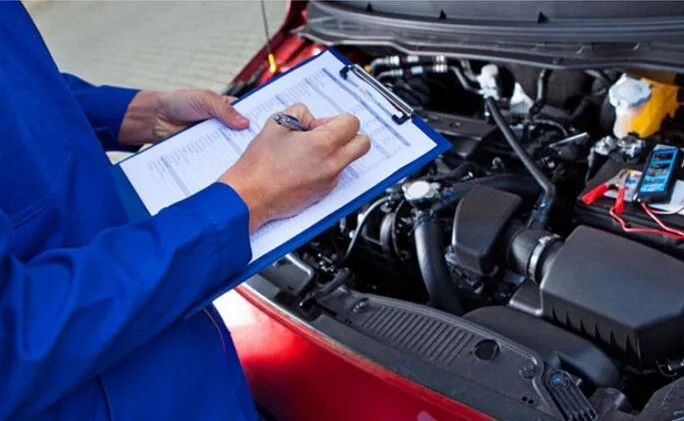
Maintaining a vehicle properly is essential for drivers who want dependable performance, improved safety and fewer unexpected mechanical problems. Whether a car is used for daily commuting, family travel or business activities, regular maintenance helps protect important components and supports consistent operation. Carnegie Automotive understands the importance of professional automotive care and encourages motorists to make informed decisions about their vehicle maintenance needs. When considering tyre sales Ormond, drivers should look beyond price and understand how tyre quality, suitability and correct installation influence overall driving performance.
Why Every Vehicle Needs a Maintenance Routine
Vehicles contain numerous mechanical and electrical systems that work together during everyday operation. The engine produces power, the transmission transfers it to the wheels, and the braking system helps control speed. Steering and suspension components contribute to stability and handling.
Over time, these systems experience wear through regular use. Without appropriate maintenance, minor concerns may gradually develop into more significant problems.
A maintenance routine should follow the manufacturer’s recommendations and consider the vehicle’s age, kilometres travelled and operating conditions.
Important servicing activities include replacing engine oil, checking fluid levels, inspecting belts and hoses, assessing battery condition and examining braking components.
Keeping a record of completed maintenance can also help vehicle owners plan future inspections and repairs.
Understanding the Importance of Tyre Quality
Tyres have a direct influence on how a vehicle responds to the road. They contribute to traction, braking, steering control and driving comfort.
Selecting replacement tyres requires careful consideration of the vehicle’s specifications. The correct tyre size, load index and speed rating should always be checked before purchasing.
Drivers should also consider their usual driving conditions. Vehicles mainly used for city travel may have different requirements from those regularly driven on highways or carrying heavy loads.
Tyre tread design, durability and wet-weather performance are other important considerations. A suitable product should meet the manufacturer’s requirements and provide appropriate performance for the vehicle’s intended use.
How Businesses Can Manage Their Vehicle Fleets
Businesses that depend on multiple vehicles need a practical approach to maintenance. Delivery vehicles, company cars and service vans may operate for extended periods and cover considerable distances.
Neglecting regular inspections can increase the likelihood of unexpected breakdowns and disrupt business activities.
A structured fleet maintenance Melbourne businesses can implement should include scheduled mechanical inspections, tyre assessments, brake checks and fluid replacements.
Fleet managers should also maintain accurate service records for individual vehicles. Recording kilometres travelled, previous repairs and upcoming servicing requirements makes it easier to organise maintenance activities.
A consistent maintenance programme can help businesses identify recurring problems and make better decisions about repair budgets.
The Importance of Monitoring Tyre Pressure
Tyre pressure is one of the simplest vehicle maintenance checks, yet it is frequently overlooked.
Incorrect inflation can affect road contact, steering response, tyre wear and fuel consumption. Underinflated tyres may generate excessive heat and increase rolling resistance, while overinflated tyres can affect ride comfort and contribute to uneven tread wear.
Drivers should check tyre pressure when the tyres are cold and use the recommended figures listed on the vehicle’s tyre placard or in the owner’s handbook.
Pressure requirements may vary depending on vehicle loading and manufacturer recommendations, so motorists should avoid relying on general assumptions.
Regular pressure checks are particularly important for vehicles that travel long distances or carry passengers and equipment.
Recognising When Mechanical Attention Is Required
Vehicles often show early signs when something is not operating correctly. Recognising these changes allows drivers to arrange an inspection before the problem becomes more serious.
Common warning signs include:
- Unusual engine noises or excessive vibration.
- Grinding or squealing sounds when braking.
- Difficulty starting the engine.
- Changes in steering response.
- Uneven tyre wear.
- Fluid leaks beneath the vehicle.
- Dashboard warning lights.
These symptoms may have several possible causes, so a professional assessment is recommended to identify the underlying issue.
Ignoring warning signs may increase repair costs and affect vehicle safety.
Choosing Suitable Replacement Tyres
Replacement tyres should be selected according to the vehicle’s requirements rather than appearance alone.
Before purchasing, drivers should check the recommended dimensions and ensure that the load and speed ratings are appropriate. It is also worth considering tyre construction, expected lifespan and suitability for regular driving conditions.
Motorists comparing tyres Bentleigh options should consider how different products meet their vehicle’s specifications and everyday requirements.
Correct installation is equally important. Professional fitting, wheel balancing and appropriate inflation help ensure that replacement tyres operate as intended.
Regular inspections after installation can also help identify uneven wear and maintain suitable tyre condition.
Developing Better Driving and Maintenance Habits
Responsible driving can contribute to longer vehicle component life. Sudden acceleration, harsh braking and aggressive cornering place additional stress on tyres, brakes and suspension components.
Drivers can support better vehicle performance by maintaining steady speeds where appropriate, avoiding unnecessary loads and responding promptly to unusual vehicle behaviour.
Keeping the vehicle clean, monitoring fluid levels and following the recommended service schedule are also useful habits.
These small actions can make vehicle maintenance more manageable over time.
Making Reliable Vehicle Care a Priority
A dependable vehicle is the result of consistent maintenance and informed decisions. Regular inspections, suitable replacement components and responsible driving habits all contribute to better performance.
Carnegie Automotive encourages private motorists and business operators to take vehicle maintenance seriously. By monitoring tyre condition, organising scheduled inspections and addressing mechanical concerns early, drivers can help maintain reliable vehicles and enjoy greater confidence on the road.
About the Author