A vehicle accident can leave behind anything from minor dents and scratches to significant body damage. Regardless of the extent of the damage, getting the vehicle repaired properly is important for its appearance, safety and overall condition. A professional smash repair process involves several stages, each designed to restore the vehicle as closely as possible to its pre-accident condition.
Understanding how these repairs are carried out can help vehicle owners know what to expect, how long the process may take and why certain procedures are necessary. From the first inspection to the final handover, experienced technicians follow a structured approach to ensure the vehicle receives the attention it needs.
1. Initial Vehicle Inspection and Damage Assessment
The first stage involves a detailed inspection of the damaged vehicle. When a car arrives at a repair workshop, technicians examine the affected panels, bumpers, doors, bonnet and other exterior components.
Visible damage is only part of the assessment. An impact can also affect structural components, mounting points and mechanical or electrical systems. Technicians may need to inspect areas behind damaged panels to identify issues that are not immediately noticeable.
The assessment helps determine:
- The extent of visible and hidden damage.
- Which panels or components require repair or replacement.
- Whether structural repairs are necessary.
- The materials and equipment needed.
- An estimated repair timeframe.
A thorough inspection helps establish a suitable repair plan before work begins.
2. Preparing the Repair Plan and Providing a Quote
Once the inspection is complete, the repair team prepares a plan based on the vehicle’s condition. This includes identifying the required labour, replacement parts, repair procedures and painting work.
If an insurance claim is involved, the workshop may communicate with the insurer and provide supporting information about the damage. The vehicle owner should understand the proposed work, estimated costs and any relevant approval requirements before repairs proceed.
Clear communication at this stage helps avoid confusion and keeps the repair process organised.
3. Removing Damaged Panels and Components
After the repair work is approved, technicians begin preparing the vehicle. Depending on the accident damage, this may involve removing bumpers, headlights, doors, trims, grilles and other affected components.
Removing damaged parts allows technicians to access the underlying areas and inspect them more closely. It also helps prevent surrounding components from being affected during the repair process.
Some parts can be repaired and reused, while others may need replacement. The decision depends on the severity of the damage, the condition of the material and the manufacturer’s repair guidelines.
4. Panel Beating and Structural Repairs
Panel beating is an important part of restoring a vehicle after an accident. Technicians use specialised tools and repair techniques to reshape damaged metal panels, remove dents and correct distorted sections.
The objective is to restore the original shape and alignment wherever possible. If a panel is too severely damaged, replacement may be the more suitable option.
For vehicles with more extensive damage, technicians may also need to assess the chassis and structural components. Accurate measurements and appropriate repair equipment help ensure the vehicle’s structure is restored according to the required specifications.
Choosing experienced panel beaters Melbourne can make a difference in the quality of the repair work. Skilled technicians understand how different vehicle materials respond to impact and which repair methods are appropriate for each situation.
5. Repairing Minor Dents Without Repainting
Not every dent requires extensive panel work or a fresh coat of paint. In some situations, paintless dent removal can be used to correct minor dents while preserving the vehicle’s original paint finish.
This technique involves carefully applying pressure from behind the damaged panel or using specialised pulling tools to restore its original shape. It is generally suitable for minor dents where the paint surface remains intact and the metal has not been excessively stretched.
Professional paintless dent removal Melbourne services can be useful for repairing certain door dents, small impact marks and minor body imperfections.
However, the suitability of this method depends on the dent’s location, depth, size and condition of the paintwork. A technician will assess the damage before recommending the appropriate approach.
6. Surface Preparation and Sanding
Before a vehicle can be painted, the repaired areas need to be properly prepared. This stage helps create a smooth and even surface for the new paint application.
Technicians may use sanding equipment to remove imperfections, smooth repaired sections and prepare the surface for primer. Any remaining uneven areas are addressed before moving to the painting stage.
The surrounding areas are also protected to prevent overspray from reaching windows, trims, tyres and other components.
Proper preparation is essential because even a high-quality paint product cannot produce a satisfactory finish if the underlying surface has not been prepared correctly.
7. Colour Matching and Professional Painting
Matching the new paint with the vehicle’s existing colour is one of the most important parts of a professional smash repair.
Modern vehicles come in a wide range of colours and finishes, including metallic, pearl and specialised paint systems. Even small colour differences can become noticeable when repaired panels are placed alongside original bodywork.
Technicians use vehicle paint codes and colour-matching equipment to identify the closest possible match. Depending on the repair requirements, blending techniques may also be used to create a consistent appearance between repaired and surrounding panels.
Professional car paint services Melbourne help restore the vehicle’s exterior finish following accident damage, scratches and other paint-related issues.
After the paint is applied, it is allowed to cure according to the product requirements. Additional finishing work may be carried out to improve the surface appearance and consistency.
8. Reassembling the Vehicle
Once the repair and painting stages are completed, technicians begin reassembling the vehicle. Previously removed components, including bumpers, headlights, mirrors, trims and other fittings, are carefully reinstalled.
Each component needs to sit correctly and align with the surrounding panels. Technicians also check that doors, bonnets and boot lids open and close properly.
Where required, electrical connections, sensors and other vehicle systems are inspected to ensure they are functioning as intended.
Reassembly is not simply about putting the vehicle back together. It involves checking that the repaired areas and replaced components work correctly as part of the complete vehicle.
9. Final Inspection and Quality Checks
Before a repaired vehicle is returned to its owner, it undergoes a final inspection. This stage helps confirm that the completed work meets the expected repair standards.
The inspection may include checking:
- Panel alignment and body gaps.
- Paint colour consistency and surface finish.
- Door, bonnet and boot operation.
- Headlights, indicators and other exterior fittings.
- Repaired and replaced components.
- Relevant electrical systems and safety features.
Any issues identified during the inspection should be addressed before the vehicle is handed back.
A careful final assessment helps ensure that the repair work is completed properly rather than focusing only on the vehicle’s external appearance.
10. Vehicle Handover and Customer Guidance
The final stage is handing the repaired vehicle back to its owner. The repair team can explain the work completed, discuss any replaced components and provide relevant information about paint care or post-repair maintenance.
Vehicle owners should take the opportunity to inspect the repaired areas and ask questions about the work carried out. They should also follow any care instructions provided by the workshop, particularly if fresh paintwork requires additional attention.
A professional repair experience involves more than fixing visible accident damage. Clear communication, organised workmanship and appropriate quality checks all contribute to a smoother experience for vehicle owners.
Choosing the Right Smash Repair Workshop
Selecting an experienced repair workshop is an important decision after an accident. The quality of the workmanship, repair methods and attention to detail can influence the vehicle’s appearance and condition after the work is completed.
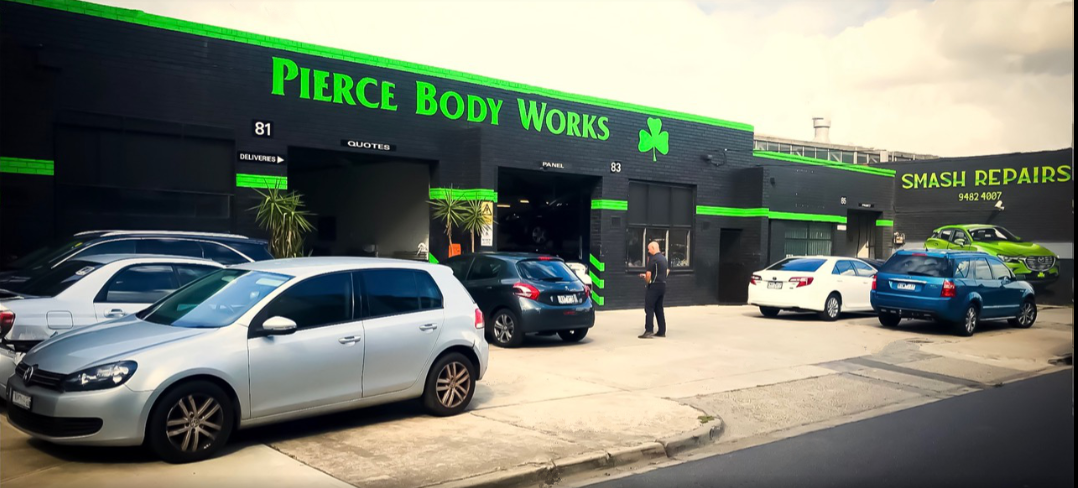
Pierce Body Works is a family-owned automotive repair business based in Northcote, Melbourne. The team provides a range of vehicle body repair services, including accident repairs, panel beating, dent removal, spray painting and vehicle restoration.
Customers looking for panel beaters Northcote can explore the workshop’s services and repair options. The business also assists customers seeking Panel Beaters Fitzroy services and professional vehicle body repairs in surrounding areas.
With attention to repair quality and customer service, Pierce Body Works aims to help vehicle owners get their cars back on the road in good condition.
Final Thoughts
A professional smash repair process involves much more than removing dents and applying fresh paint. Each stage, from the initial assessment and panel repairs to colour matching, reassembly and final inspection, plays an important role in achieving a satisfactory result.
Understanding these steps helps vehicle owners make informed decisions when arranging accident repairs. Choosing a qualified and experienced workshop also provides greater confidence that the necessary repairs will be handled with care and attention to detail.
About the Author