
Discovering a large group of bees gathering in your backyard can be surprising, especially when they settle on a tree branch, fence, garden structure or outdoor furniture. Although a bee swarm may look intimidating, it does not necessarily mean that the bees are aggressive or that an established hive is present.
Swarming is a natural part of honeybee behaviour. It usually occurs when a colony divides and a group of bees leaves with a queen to establish a new home. However, when a swarm appears close to areas used by your family, knowing how to respond is important.
Understanding what attracts swarms, how to recognise their behaviour and when to contact a professional can help you manage the situation safely.
Understand Why Bees Swarm in Backyards
Honeybees swarm when an existing colony produces a new queen and part of the population leaves to establish another colony. During this process, the departing bees temporarily gather around a suitable resting location while scout bees search for a permanent nesting site.
You may notice hundreds or thousands of bees clustering together on a tree branch, fence post or other sheltered surface. The group may remain in that location for several hours or longer while searching for a suitable place to settle.
Backyards can provide convenient resting spots because they often contain trees, shrubs, sheltered structures and nearby water sources. A swarm may eventually move elsewhere, but it can also establish a colony in a suitable cavity around your property.
Keep Your Family and Pets Away
If you find a bee swarm in your backyard, the first priority should be keeping people and animals away from the affected area.
Although swarming honeybees are often less defensive than bees protecting an established hive, they can still sting if disturbed or threatened.
Consider taking these precautions:
- Keep children away from the swarm.
- Prevent pets from approaching the gathering.
- Avoid walking or working close to the bees.
- Keep outdoor play equipment away from the affected area.
- Temporarily restrict access to nearby garden spaces.
- Inform other household members about the swarm.
If the bees are close to a frequently used entrance or pathway, consider using another route until the situation has been assessed.
People with known bee-sting allergies should take particular care. If someone experiences breathing difficulties, facial or throat swelling, dizziness or other signs of a severe allergic reaction after a sting, call emergency services immediately.
Do Not Disturb or Attempt to Remove the Swarm
One of the most important things to remember is not to interfere with the bees.
Avoid spraying insecticides, using water hoses, striking the cluster or attempting to move it with garden equipment. These actions can disturb the bees and increase the likelihood of defensive behaviour.
You should also avoid placing containers over the swarm or attempting to collect the bees yourself. Handling a swarm requires appropriate knowledge, equipment and experience.
If the bees are resting on a branch or garden structure, leave them undisturbed while arranging suitable advice. Observing their behaviour from a safe distance is a better approach than trying to force them to move.
Determine Whether It Is a Swarm or an Established Hive
A temporary swarm and an established beehive are two different situations. Recognising the difference can help you understand what may be happening in your backyard.
A swarm generally appears as a clustered group of bees hanging from a branch, fence or similar surface. It may remain in one location temporarily while scout bees search for a suitable nesting site.
An established colony is more likely to show regular movement in and out of a particular opening. This may include activity around tree hollows, roof spaces, wall cavities or garden structures.
If you notice bees repeatedly entering and leaving the same location, there may be a permanent nesting site nearby. Avoid blocking the opening or investigating the cavity yourself.
Check Whether Different Bee Species Are Present
Not every large gathering of insects around a backyard is necessarily a honeybee swarm. Australia has several native bee species with different nesting behaviours and physical characteristics.
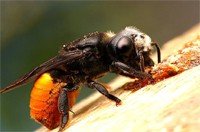
For example, leafcutter bees are solitary native bees that use pieces of leaves to construct their nesting cells. They do not form large honeybee-style colonies.
You can learn more about leaf cutter bees Australia to understand their appearance and nesting habits.
Correct identification is important because different species may require different management approaches. If you are uncertain about the bees in your garden, avoid getting close to identify them.
Arrange a Professional Bee Inspection
If the swarm remains in your backyard, moves into a building cavity or creates concerns around frequently used areas, consider arranging a professional assessment.
An inspection can help determine whether the gathering is temporary or whether the bees have established a colony. A technician may assess the location, visible activity, possible entry points and surrounding conditions before recommending an appropriate solution.
Professional bees inspection Melbourne services can help homeowners understand the source of bee activity and identify suitable next steps.
When contacting a provider, explain where the swarm is located, how long it has been present and whether the bees are near entrances, pathways or children’s play areas. Photographs taken from a safe distance may also help with the initial assessment.
Understand When Professional Bee Swarm Removal Is Needed
Some swarms move away naturally after scout bees locate a suitable nesting place. However, waiting without considering the surrounding risks may not be appropriate in every situation.
Professional assistance may be useful when:
- The swarm is close to a frequently used entrance.
- Bees are gathering near children or pets.
- The swarm has settled in an inconvenient location.
- Bees appear to be entering a roof or wall cavity.
- The gathering remains in place and causes ongoing concerns.
- You are unsure whether an established colony has formed.
The appropriate approach depends on the species, location and condition of the swarm. A professional can explain whether relocation, removal or further monitoring is suitable.
Consider the Cost of Bee Control Services
The cost of professional assistance can vary according to the nature of the problem. A temporary swarm that is easy to access may involve different requirements from an established colony inside a roof cavity.
Factors that may influence the quotation include the location of the bees, accessibility, colony size, equipment requirements and any additional work needed.
If you are researching bee control cost Melbourne, reviewing these factors can help you understand what may influence the overall service cost.
Before booking, ask the provider to explain the proposed work, estimated charges and whether any additional costs may apply.
Find Local Bee Removal Assistance in Melbourne
Bee activity can occur in residential gardens, commercial outdoor spaces and properties across Melbourne. Choosing a provider that services your suburb can make it easier to arrange an inspection and discuss the situation.
For example, homeowners looking for bees removal Berwick can explore local service information for their area.
When comparing providers, consider their experience, inspection process, removal methods, safety precautions and communication. A suitable service should be able to explain how the situation will be assessed and what options are available.
Reduce the Chances of Future Nesting Around Your Backyard
After the swarm has moved on or been appropriately managed, inspect your property for possible nesting locations.
Check roof edges, wall gaps, garden sheds, tree hollows and sheltered structures for openings that could provide access to suitable cavities. If repairs are required, first confirm that no active colony remains inside.
Maintaining outdoor structures and addressing damaged sections can help reduce potential nesting opportunities.
You do not need to remove flowering plants simply because they attract bees. These insects are important pollinators, and their presence in gardens is generally beneficial.
Respond to Bee Swarms With Care
Finding a bee swarm in your backyard does not automatically mean you have an infestation. Swarming is a natural behaviour, but the location of the bees can sometimes create concerns for households.
Keeping children and pets away, avoiding disturbance and arranging a professional inspection when necessary are sensible steps. Understanding the difference between a temporary swarm and an established colony can also help you make an informed decision.
Bees Removal Melbourne provides information and assistance for property owners dealing with bee activity across Melbourne. Taking the right approach can help protect your household while ensuring that bee-related concerns are managed responsibly.
About the Author