Skin conditions can vary significantly from one individual to another, making personalized dermatological care an important part of effective treatment planning. Conditions such as psoriasis and hyperpigmentation may require specialized topical products based on skin type, symptoms, medical history, and treatment goals. Custom Psoriasis Topical Medication offers an individualized approach to managing psoriasis through professionally prepared topical formulations tailored to a patient’s prescription. Similarly, Compounded Hydroquinone Cream provides a customized formulation option for patients receiving dermatologist-directed treatment for certain pigmentation concerns. Compounding pharmacies work with healthcare professionals to prepare specialized medications when commercially available products do not meet specific patient requirements.
Understanding these customized options can help patients and healthcare providers make informed decisions about dermatological treatments while prioritizing medication safety and appropriate skin care.
Understanding Custom Psoriasis Topical Medication
Psoriasis is a chronic inflammatory skin condition that can cause red patches, scaling, itching, and discomfort. It commonly affects areas such as the elbows, knees, scalp, and lower back, although symptoms can appear on other parts of the body.
Treatment depends on the type and severity of psoriasis, the affected skin areas, and the patient’s overall medical condition. Topical medications are commonly used for mild to moderate psoriasis and may be recommended as part of a broader treatment plan.
Custom Psoriasis Topical Medication refers to prescription-based topical formulations prepared to address individual treatment requirements. A healthcare professional may work with a compounding pharmacist when a specific strength, dosage form, ingredient combination, or alternative vehicle is needed.
These formulations may be considered when patients have difficulty using commercially available products or require a particular preparation based on their dermatological needs.
Benefits of Personalized Psoriasis Formulations
Personalized topical medications can offer flexibility when standard products are not suitable for an individual patient. Different skin areas may require different formulations, depending on sensitivity, thickness, and the severity of symptoms.
For example, ointments may be useful for certain dry and thickened areas, while creams or lotions may be preferred for other applications. A dermatologist can determine which formulation is appropriate based on the patient’s condition.
Compounding may also help address specific ingredient sensitivities or formulation preferences. However, customized medications are not automatically more effective than approved commercial treatments. Their suitability depends on the prescription, formulation quality, and clinical evidence supporting the selected ingredients.
Patients should follow their healthcare provider’s instructions and avoid changing medication strengths or combining active ingredients without professional guidance.
What Is Compounded Hydroquinone Cream?
Hyperpigmentation occurs when certain areas of the skin produce excess melanin, resulting in darker patches or uneven skin tone. Common causes include sun exposure, acne-related marks, hormonal changes, and certain inflammatory skin conditions.
Compounded Hydroquinone Cream is a customized topical formulation containing hydroquinone, an ingredient that reduces melanin production in the skin. Healthcare professionals may prescribe hydroquinone for selected pigmentation conditions, including melasma and certain forms of hyperpigmentation.
A compounding pharmacy may prepare a formulation according to an authorized prescription when an individualized strength or preparation is required. The pharmacist considers the prescribed ingredients, formulation characteristics, and appropriate preparation standards.
Hydroquinone should only be used under professional guidance because incorrect or prolonged use can cause irritation and other skin-related complications.
Common Ingredients in Customized Dermatological Formulations
Compounded topical medications may contain different ingredients depending on the patient’s diagnosis and prescription.
For psoriasis, healthcare professionals may prescribe ingredients such as corticosteroids, vitamin D analogues, or other appropriate topical therapies. These ingredients work through different mechanisms to help manage inflammation, abnormal skin-cell growth, and related symptoms.
For pigmentation concerns, hydroquinone may be prescribed alongside other dermatologist-selected ingredients when clinically appropriate. Some treatment plans may also include additional topical products designed to address inflammation, skin sensitivity, or other contributing factors.
Not every ingredient is appropriate for every patient. Combining active ingredients requires careful consideration of potential interactions, stability, concentration, and skin tolerance.
The Role of Compounding Pharmacies in Dermatological Care
Compounding pharmacies support personalized medication needs by preparing formulations according to prescriptions from authorized healthcare professionals.
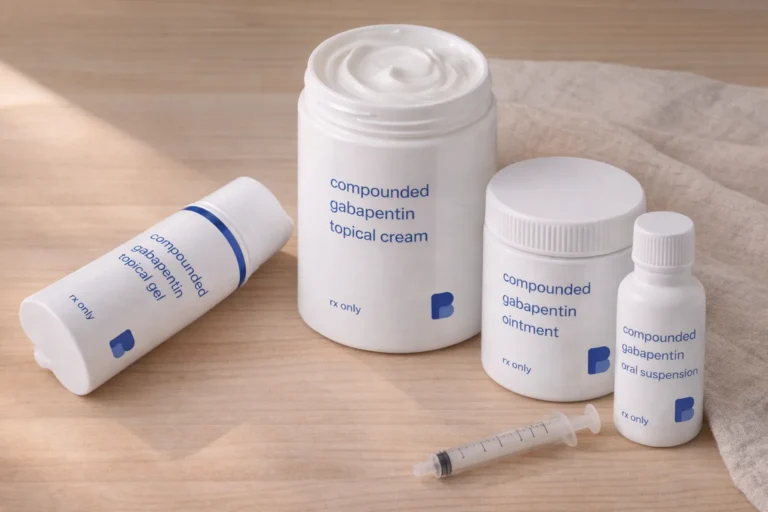
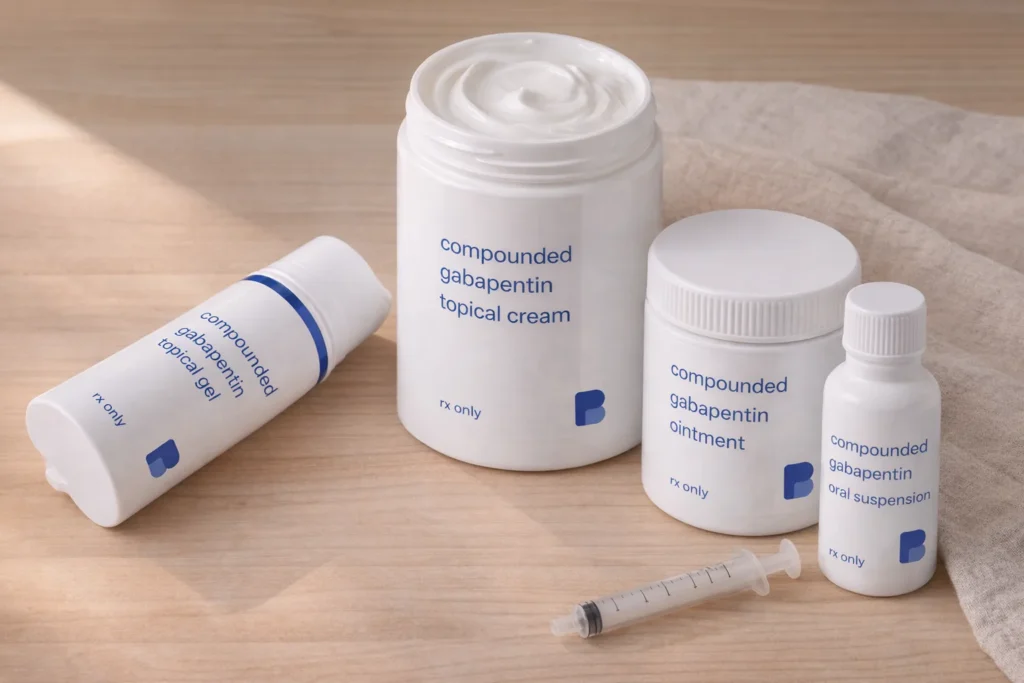
In dermatology, this may involve preparing creams, ointments, gels, or other topical dosage forms. Pharmacists evaluate the requested formulation, ingredient compatibility, appropriate preparation methods, and storage requirements.
A qualified compounding pharmacy should follow applicable professional standards and maintain appropriate quality-control procedures. Patients should receive clear instructions regarding application, storage, expiration, and possible side effects.
Communication between dermatologists and pharmacists is essential to ensure that customized formulations meet the intended prescription requirements.
Safety Considerations for Psoriasis and Hydroquinone Treatments
Although topical treatments can be helpful, every medication carries potential risks. Psoriasis medications may cause irritation or other side effects depending on the active ingredients and duration of use.
Topical corticosteroids, for example, require appropriate strength and application instructions because excessive or prolonged use can cause skin thinning and other complications.
Hydroquinone can cause redness, dryness, burning, or contact dermatitis in some individuals. Prolonged or inappropriate use may also lead to a condition called exogenous ochronosis, which can cause persistent skin discoloration.
Patients should avoid applying prescription formulations to unintended areas and should contact their healthcare provider if unexpected reactions occur.
Sun protection is particularly important for individuals receiving treatment for hyperpigmentation. Dermatologists may recommend broad-spectrum sunscreen and other protective measures as part of a comprehensive skincare plan.
Choosing the Right Dermatological Compounding Pharmacy
Selecting a reliable compounding pharmacy is an important consideration when specialized topical medications are prescribed.
Patients and healthcare professionals should evaluate the pharmacy’s licensing, pharmacist qualifications, compounding practices, ingredient sourcing, and quality-control procedures.
Clear communication is also essential. The pharmacy should provide understandable information about medication use, storage conditions, beyond-use dates, and potential precautions.
For patients considering Custom Psoriasis Topical Medication or Compounded Hydroquinone Cream, treatment decisions should always involve a qualified healthcare professional. A dermatologist can evaluate the underlying skin condition and determine whether a customized formulation is appropriate.
Frequently Asked Questions
1. What is custom psoriasis topical medication?
It is a prescription-based topical formulation prepared to meet specific patient requirements, such as a particular dosage form, ingredient combination, or strength.
2. What is compounded hydroquinone cream used for?
Hydroquinone cream may be prescribed to treat selected hyperpigmentation concerns, including melasma and certain dark spots, under professional supervision.
3. Can psoriasis medication and hydroquinone cream be used together?
It depends on the patient’s skin condition, treatment areas, and prescribed ingredients. A dermatologist should evaluate potential interactions and determine whether using both treatments is appropriate.
Final Thoughts
Personalized dermatological treatment can help address different skin concerns through carefully selected medications and professional guidance. Custom Psoriasis Topical Medication provides an option for patients who require specialized topical formulations, while Compounded Hydroquinone Cream may support dermatologist-directed treatment for selected pigmentation conditions. Working with qualified dermatologists and licensed compounding pharmacists helps ensure that treatment decisions prioritize formulation quality, patient safety, and individual medical needs.
About the Author