
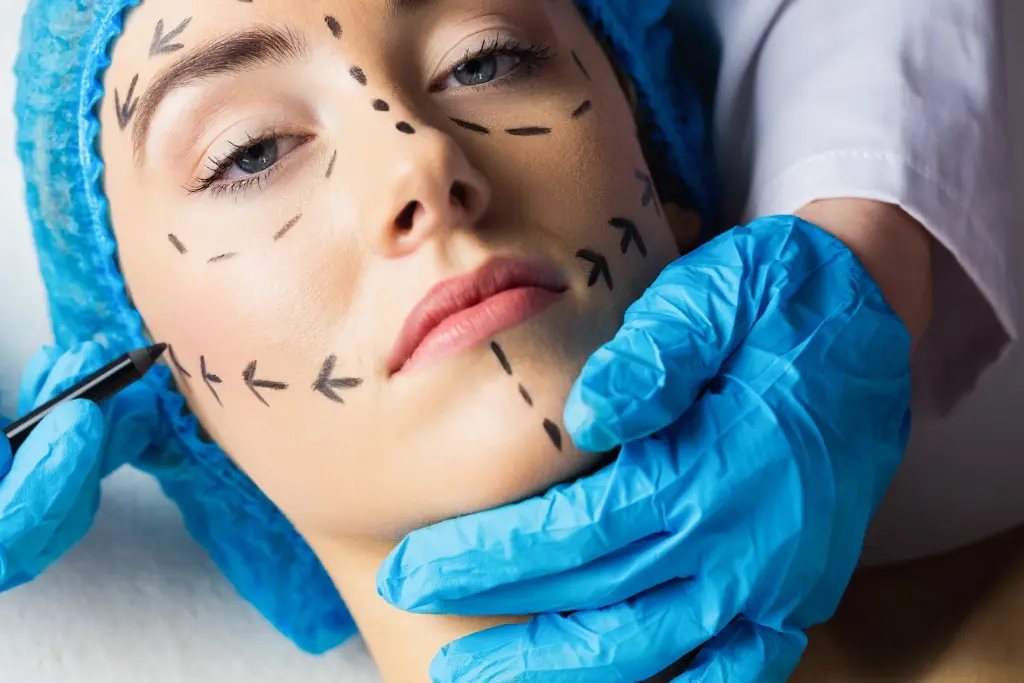
Advancements in modern medicine have created new opportunities for individuals seeking to improve their appearance, restore physical function, and maintain healthy skin. From reconstructive procedures following injuries to cosmetic treatments that address visible signs of aging, specialized medical services help patients achieve different aesthetic and functional goals. Plastic and Reconstructive Surgery plays an important role in restoring damaged tissues, correcting physical abnormalities, and improving body appearance. Similarly, Aesthetic Dermatology focuses on skin health and appearance through professional treatments designed to address concerns such as wrinkles, pigmentation, acne scars, and uneven skin texture.
Both specialties require medical expertise, careful patient evaluation, and individualized treatment planning. Understanding the available procedures, expected outcomes, and potential risks allows individuals to make informed decisions about their healthcare and aesthetic needs.
Understanding Plastic and Reconstructive Surgery
Plastic and reconstructive surgery is a specialized medical field that focuses on repairing, restoring, and improving different areas of the body. Although many people associate plastic surgery with cosmetic enhancements, reconstructive procedures also serve important medical purposes.
Reconstructive surgery may help patients following accidents, burns, cancer treatments, or congenital conditions. Depending on the patient’s needs, surgeons may perform skin grafts, scar revision, tissue reconstruction, or procedures that restore the function of affected body parts.
Cosmetic surgery, on the other hand, focuses primarily on changing or enhancing physical appearance. Common procedures include rhinoplasty, eyelid surgery, breast surgery, and body contouring.
Before recommending any procedure, qualified surgeons evaluate the patient’s medical history, physical condition, expectations, and suitability for treatment. This assessment helps establish realistic goals and an appropriate surgical approach.
The Importance of Aesthetic Dermatology
Aesthetic Dermatology combines medical dermatology knowledge with cosmetic treatments to address different skin-related concerns. It focuses on improving skin appearance while maintaining attention to skin health and safety.
Common concerns addressed through aesthetic dermatology include fine lines, wrinkles, acne scars, sun damage, uneven pigmentation, and changes in skin texture. Treatment options depend on the underlying condition, skin type, and individual goals.
Dermatologists may recommend chemical peels, laser treatments, microneedling, or other clinically appropriate procedures. Some patients may also benefit from prescription skincare products and customized skincare routines.
Professional skin assessments are important because similar-looking skin concerns can have different causes. A qualified dermatologist can identify the issue and recommend an appropriate treatment plan.
Common Plastic and Reconstructive Surgery Procedures
Plastic and reconstructive surgery includes a wide range of procedures designed for different medical and aesthetic purposes.
Rhinoplasty is a surgical procedure that changes the structure of the nose. It may be performed for cosmetic reasons or to address certain functional concerns, depending on the patient’s condition.
Breast reconstruction may be recommended following a mastectomy or other medical circumstances. The procedure aims to restore breast shape and appearance through appropriate surgical techniques.
Scar revision procedures can improve the appearance of selected scars caused by injuries, burns, or previous surgeries. Depending on the scar, treatment may involve surgical correction or other specialized techniques.
Eyelid surgery, also known as blepharoplasty, addresses selected concerns involving excess eyelid skin or tissue. Body contouring procedures may also be considered by suitable patients seeking changes to specific body areas.
Every procedure requires an individualized evaluation, and results vary according to patient health, anatomy, surgical technique, and recovery.
Popular Treatments in Aesthetic Dermatology
Modern aesthetic dermatology offers several non-surgical and minimally invasive treatment options for individuals interested in improving skin appearance.
Chemical peels use professionally selected solutions to exfoliate the skin and address certain concerns, including uneven pigmentation, acne-related marks, and rough texture.
Laser treatments use focused energy to target specific skin concerns. Depending on the technology, they may help address selected pigmentation issues, visible blood vessels, unwanted hair, or acne scars.
Microneedling involves creating controlled micro-injuries in the skin to stimulate natural repair processes. It may be recommended for certain concerns involving skin texture and acne scarring.
Botulinum toxin injections can temporarily reduce the appearance of selected expression-related wrinkles by relaxing targeted muscles. Dermal fillers may be used to restore volume or improve specific facial contours.
The suitability of each treatment depends on professional assessment, medical history, skin condition, and individual expectations.
Benefits of Combining Surgical and Dermatological Expertise
Plastic surgery and aesthetic dermatology address different but sometimes overlapping concerns. A patient may require surgical treatment for a structural issue while also seeking dermatological care for skin texture, pigmentation, or scarring.
Collaboration between qualified surgeons and dermatologists can help create a more comprehensive treatment strategy when multiple concerns are involved.
For example, patients recovering from certain surgical procedures may need professional guidance regarding scar care and skin protection. Individuals interested in facial rejuvenation may also benefit from an evaluation that considers both skin quality and underlying facial structure.
However, not every patient needs multiple treatments. The appropriate approach should be based on medical necessity, safety, and realistic expectations rather than unnecessary procedures.
Choosing the Right Plastic Surgeon or Dermatologist
Selecting a qualified healthcare professional is one of the most important steps before undergoing cosmetic or reconstructive treatment.
Patients should verify the practitioner’s medical qualifications, specialist training, professional licensing, and experience with the procedure being considered. It is also important to understand the potential benefits, limitations, risks, recovery requirements, and available alternatives.
During a consultation, patients should discuss their medical history, current medications, allergies, previous procedures, and treatment expectations.
A responsible professional will explain whether a procedure is suitable and provide realistic information about expected outcomes. Patients should avoid providers who guarantee perfect results or encourage unnecessary treatments.
For surgical procedures, understanding the facility’s safety standards, anesthesia arrangements, and postoperative care is equally important.
Recovery and Long-Term Skin Care
Recovery varies significantly depending on the procedure and individual health circumstances. Surgical patients may require wound care, activity restrictions, follow-up appointments, and time for swelling or bruising to improve.
Non-surgical dermatological treatments may involve temporary redness, sensitivity, or peeling, depending on the procedure.
Following professional aftercare instructions is essential for supporting healing and reducing the risk of complications. Sun protection, appropriate skincare products, hydration, and regular medical follow-ups can also contribute to long-term skin health.
Patients should contact their healthcare provider if they experience unexpected symptoms or signs of complications during recovery.
Frequently Asked Questions
1. What is the difference between plastic surgery and reconstructive surgery?
Plastic surgery is a broad specialty that includes cosmetic and reconstructive procedures. Reconstructive surgery focuses on restoring form and function affected by injuries, medical conditions, or congenital abnormalities.
2. What treatments are included in aesthetic dermatology?
Common treatments include chemical peels, laser procedures, microneedling, botulinum toxin injections, and dermal fillers, depending on individual suitability.
3. Are aesthetic dermatology treatments suitable for every skin type?
No. Treatment suitability depends on skin type, medical history, existing conditions, and the specific procedure. A qualified dermatologist should assess the skin before recommending treatment.
Final Thoughts
Maintaining healthy skin and addressing physical concerns requires professional guidance, realistic expectations, and individualized treatment planning. Plastic and Reconstructive Surgery provides surgical solutions for restoring physical structures and addressing selected cosmetic concerns, while Aesthetic Dermatology offers specialized treatments for improving skin appearance and managing common dermatological issues. By choosing qualified medical professionals and understanding available treatment options, patients can make informed decisions that prioritize safety, functionality, and long-term well-being.
About the Author