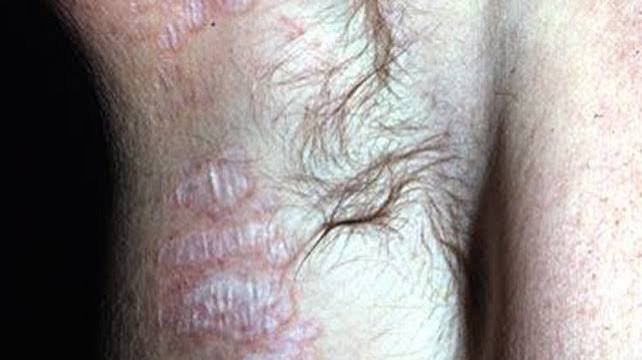

What Is Polycythemia Vera?
Polycythemia vera (PV) is a rare, chronic blood disorder in which the bone marrow produces too many red blood cells. This can make the blood thicker than normal, affect circulation, and increase the risk of blood clots. Understanding Polycythemia Vera Headache Location is important because headaches can be one of the symptoms associated with this condition. However, the location and intensity of the pain may vary, and a headache alone cannot confirm that someone has PV.
Polycythemia vera belongs to a group of blood disorders known as myeloproliferative neoplasms (MPNs). These conditions develop when bone marrow cells produce blood cells in an abnormal and uncontrolled way. PV is commonly associated with a mutation in the JAK2 gene, which affects the signals responsible for regulating blood cell production.
In people with PV, the bone marrow produces excessive red blood cells. Some patients may also have increased white blood cell and platelet counts. The additional red blood cells can increase hematocrit, which is the percentage of blood volume occupied by red blood cells.
When the blood becomes more concentrated, it may flow less easily through small blood vessels. This can affect circulation and contribute to symptoms such as headaches, dizziness, blurred vision, and fatigue.
Common Symptoms of Polycythemia Vera
Symptoms can differ between individuals. Some people have no noticeable symptoms during the early stages and discover the condition through routine blood testing.
Common symptoms include:
- Headaches and dizziness
- Fatigue and weakness
- Blurred or disturbed vision
- Itching, particularly after a warm bath or shower
- Redness or burning sensations in the hands and feet
- Night sweats
- Ringing in the ears
- Abdominal fullness caused by an enlarged spleen
- Difficulty concentrating
One important complication of PV is thrombosis, which means the formation of blood clots inside blood vessels. These clots can interfere with circulation and may cause serious conditions such as stroke, heart attack, or deep vein thrombosis.
Although PV is a chronic condition, appropriate medical treatment and regular monitoring can help control blood counts and reduce the risk of complications.
What Is Polycythemia Vera Headache?
A headache associated with polycythemia vera may occur when changes in blood composition and circulation affect the delivery of oxygen through small blood vessels. Increased blood viscosity, or thickness, can contribute to headaches and other symptoms related to impaired microvascular circulation.
People with PV may describe their headaches in different ways. Some experience a dull or pressure-like sensation, while others report throbbing discomfort, heaviness, or recurring pain.
Headaches may occur alongside other symptoms, such as dizziness, blurred vision, fatigue, or ringing in the ears.
However, headaches are not unique to PV. They can also develop because of migraine, tension, dehydration, high blood pressure, infections, sleep problems, and many other conditions.
For this reason, a healthcare professional should evaluate persistent, severe, or unusual headaches, particularly in someone who has already been diagnosed with PV.
Polycythemia Vera Headache Location: Where Can the Pain Occur?
The Polycythemia Vera Headache Location is not limited to one specific part of the head. Medical sources describe headache as a possible symptom of PV, but they do not establish a unique location that can identify a PV-related headache.
Some individuals may feel discomfort across the forehead, while others may experience pain around the temples, back of the head, or a more generalized sensation.
The location alone cannot determine whether a headache is caused by PV. It is important to consider the pain pattern, associated symptoms, medical history, and blood test results.
1. Forehead Headache
Some people may experience discomfort around the forehead or above the eyebrows. They may describe it as pressure, tightness, or a dull ache.
However, forehead pain is common in many conditions, including tension-type headaches, sinus problems, and migraine. It should not automatically be attributed to PV.
2. Temple Area Headache
Pain around one or both temples may also occur in people who have PV, although this is not a specific or established pattern of the disease.
Temple discomfort can have several possible causes, including tension, migraine, jaw-related problems, and other medical conditions.
A new or severe headache in the temple area, especially in an older adult or someone with visual symptoms, should be medically assessed.
3. Back of the Head
Some individuals may describe discomfort around the back of the head or upper neck. Muscle tension, posture, and neck-related conditions can also cause pain in this area.
There is no reliable evidence that pain at the back of the head is a characteristic location of PV headaches.
4. Generalized Headache
Some people experience pain that affects a large portion of the head rather than one specific area. The discomfort may feel like pressure, heaviness, or a persistent ache.
This type of description is not specific to PV. Doctors consider the overall pattern and associated symptoms before identifying a possible cause.
Possible Causes of Headaches in People With Polycythemia Vera
There are several possible reasons why someone with PV may experience headaches. The most relevant factors involve blood viscosity, circulation, and the risk of vascular complications.
1. Increased Blood Viscosity
One possible contributor is increased blood viscosity. When the bone marrow produces excessive red blood cells, the blood may become thicker and flow less easily through small blood vessels.
This can affect microcirculation and contribute to symptoms such as headache, dizziness, and visual disturbances.
2. Changes in Blood Flow
PV can affect circulation because increased red blood cell mass changes the physical properties of blood. Reduced or disturbed blood flow in small vessels may contribute to neurological symptoms.
However, not every headache in someone with PV is caused by abnormal blood flow. Other common headache disorders must also be considered.
3. Platelet Abnormalities
Some patients with PV have increased platelet counts or abnormal platelet function.
Platelets help blood clot, but changes in their number or function may contribute to both clotting and bleeding problems.
These abnormalities can increase the risk of vascular complications, some of which may involve the brain.
4. Blood Clots and Vascular Complications
PV increases the risk of thrombosis. A blood clot affecting blood vessels supplying the brain can cause a stroke or transient ischemic attack (TIA).
A sudden, severe headache or a headache accompanied by weakness, speech difficulty, confusion, or vision loss must be treated as an emergency.
5. Other Common Headache Triggers
People with PV can also experience headaches for reasons unrelated to their blood disorder.
Possible triggers include:
- Dehydration
- Poor sleep
- Stress and muscle tension
- Migraine
- Sinus infections
- High blood pressure
- Medication side effects
Doctors should assess these possibilities rather than assuming every headache is caused by PV.
Other Symptoms That May Occur Alongside a PV Headache
A headache may occur with other symptoms that provide useful information during a medical evaluation.
Dizziness
Some people with PV experience lightheadedness or dizziness. This may occur alongside headaches and changes in circulation.
Blurred Vision
Visual disturbances can occur in PV. Some patients report blurred vision, temporary blind spots, or other changes in eyesight.
Sudden vision loss or new visual disturbances require urgent medical assessment.
Fatigue
Persistent tiredness is common in people with PV. It may be associated with the disease itself, iron deficiency, sleep problems, or other health factors.
Ringing in the Ears
Tinnitus, or ringing in the ears, is another symptom reported by some people with PV.
Itching
Some patients experience itching, particularly after exposure to warm water. This is known as aquagenic pruritus and is a recognized symptom of PV.
The combination of headaches with other symptoms may help doctors understand the patient’s condition, but it does not establish the diagnosis by itself.
How Is a Polycythemia Vera-Related Headache Evaluated?
The Polycythemia Vera Headache Location may be useful information during a medical appointment, but doctors need more than the location to understand the cause.
They may ask when the headache started, how frequently it occurs, how long it lasts, and whether it is accompanied by other symptoms.
1. Medical History
Doctors may ask about:
- Previous headache episodes
- The location and intensity of pain
- Changes in headache frequency
- Vision problems or dizziness
- Current PV treatment
- Previous blood clots
- Other medical conditions
- Medicines and supplements being used
A detailed medical history can help identify possible causes and warning signs.
2. Physical and Neurological Examination
A healthcare professional may check blood pressure, vision, coordination, strength, sensation, and other neurological functions.
If the examination suggests a possible neurological complication, further testing may be required.
3. Complete Blood Count
A complete blood count (CBC) measures red blood cells, white blood cells, hemoglobin, hematocrit, and platelets.
In PV, doctors pay particular attention to hematocrit and other blood count results to assess disease control.
4. Additional Investigations
Depending on the symptoms, doctors may recommend further tests. These could include brain imaging, vascular imaging, or other investigations if a stroke, clot, or different neurological condition is suspected.
The choice of testing depends on the patient’s symptoms and clinical examination.
Treatment and Management of Headaches Associated With PV
Managing headaches in people with PV involves identifying the cause and controlling the underlying blood disorder when appropriate.
Treatment should be guided by a hematologist or another qualified healthcare professional.
Phlebotomy
Phlebotomy involves removing a controlled amount of blood to reduce the number of circulating red blood cells.
It is a standard treatment for PV. For many patients, doctors aim to maintain hematocrit below 45% to reduce the risk of cardiovascular complications.
Low-Dose Aspirin
Some patients may be prescribed low-dose aspirin to reduce the risk of blood clots.
However, aspirin is not suitable for everyone. It can increase bleeding risk, so patients should only use it according to their doctor’s advice.
Cytoreductive Medicines
Some patients need medication to reduce excessive blood cell production.
Depending on individual circumstances, doctors may prescribe hydroxyurea, interferon-based treatment, or ruxolitinib.
These medicines have different mechanisms and are selected according to disease risk, treatment response, and possible side effects.
Treating Other Headache Causes
If a headache is caused by migraine, dehydration, muscle tension, high blood pressure, or another condition, that cause may require separate treatment.
Patients should not start painkillers or change prescribed medication without checking whether they are appropriate for their medical history and current treatment.
Can Herbal and Natural Approaches Help With PV-Related Headaches?
Some people explore complementary approaches to support general well-being while living with a chronic condition.
People researching Herbal Treatment For Polycythemia Vera should understand that herbal products have not been proven to cure PV, normalize abnormal blood cell production, or prevent serious complications.
Some herbs and supplements may affect blood clotting or interact with aspirin, anticoagulants, and other prescribed medicines.
Patients should discuss any complementary product with their hematologist or pharmacist before using it. Herbal products should never replace established PV treatment.
Lifestyle Habits That May Support General Health
Healthy habits can support overall well-being, although they cannot replace medical treatment for PV.
Maintain Adequate Hydration
Drinking enough fluids supports normal body functions. Dehydration may contribute to headaches in some people.
However, patients with heart or kidney conditions may have specific fluid requirements and should follow their healthcare professional’s advice.
Maintain a Regular Sleep Schedule
Consistent sleep habits may help reduce headaches associated with poor sleep or fatigue.
Manage Stress
Relaxation techniques, gentle physical activity, and appropriate rest may help people manage stress-related headache triggers.
Follow a Balanced Diet
A balanced diet containing fruits, vegetables, whole grains, and suitable protein sources supports general health.
Patients should avoid taking iron supplements unless recommended by their healthcare professional.
Attend Regular Medical Checkups
Routine appointments and blood tests help doctors monitor PV and assess whether treatment is controlling blood counts effectively.
People exploring Natural Remedies For Polycythemia Vera should be cautious about claims that particular foods, herbs, or home remedies can cure the condition or prevent blood clots. No complementary approach should replace prescribed medical care.
When Should Someone Seek Immediate Medical Attention?
A headache in someone with PV should not automatically be considered a routine symptom. Because PV increases the risk of blood clots, certain headache patterns and accompanying symptoms require urgent attention.
Seek emergency medical help if a headache occurs with:
- Sudden weakness or numbness, particularly on one side of the body
- Difficulty speaking or understanding speech
- Sudden loss of vision or major visual changes
- New confusion or difficulty walking
- Fainting or loss of consciousness
- A sudden, extremely severe headache
- Seizures
These symptoms may indicate a stroke or another serious neurological emergency.
A new, persistent, worsening, or unusual headache should also be discussed promptly with a healthcare professional, even if emergency symptoms are absent.
Natural Herbs Clinic and Complementary Health Information
People living with polycythemia vera may also explore general information about natural wellness and complementary health approaches. Natural Herbs Clinic provides a place to explore herbal-health topics, but readers should carefully evaluate treatment claims and avoid assuming that natural products can cure polycythemia vera. This condition requires ongoing medical supervision because excessive red blood cell production can increase the risk of blood clots and other complications. Before taking any herbal supplement, patients should consult their hematologist, particularly if they use aspirin, anticoagulants, or other prescribed medicines. Herbal products should only be considered as complementary options when a healthcare professional confirms they are appropriate, and they must never replace prescribed treatment or regular blood monitoring.
Frequently Asked Questions (FAQs)
1. Where is a polycythemia vera headache usually located?
There is no specific or established location for PV-related headaches. People may report forehead pain, temple discomfort, pain around the back of the head, or generalized headaches. Location alone cannot identify the cause.
2. Can polycythemia vera cause headaches every day?
Some people with PV experience recurring headaches, but daily headaches are not inevitable. Persistent or changing headaches should be evaluated by a healthcare professional.
3. Why does polycythemia vera cause headaches?
Increased red blood cell production can make the blood thicker and affect circulation. Changes in blood flow and vascular complications may contribute to headaches.
4. Are PV headaches dangerous?
Not every headache is dangerous. However, PV increases the risk of blood clots. A sudden severe headache or one accompanied by weakness, speech difficulty, confusion, or vision loss requires emergency medical attention.
5. Can headaches be the first symptom of polycythemia vera?
Headaches can occur before PV is diagnosed. However, they are common in many conditions and cannot confirm PV without appropriate blood tests and medical evaluation.
6. Does lowering hematocrit help with headaches?
Controlling hematocrit is an important part of PV treatment and may improve symptoms associated with increased blood viscosity. Doctors generally aim for a hematocrit below 45% in many patients, depending on their individual circumstances.
7. Can dehydration make PV-related headaches worse?
Dehydration can contribute to headaches and may affect blood concentration. Maintaining adequate hydration is helpful, but it does not replace medical treatment for PV.
8. Can herbal products cure polycythemia vera headaches?
There is no reliable clinical evidence that herbal products cure PV or its associated headaches. Some supplements can interact with prescribed medicines, so patients should seek professional advice before using them.
Conclusion
Polycythemia vera is a chronic blood disorder that causes excessive red blood cell production and can increase blood viscosity. Headaches are among its recognized symptoms, but the pain does not have one specific location. Some individuals may experience forehead discomfort, temple pain, pain around the back of the head, or a generalized headache.
Understanding Polycythemia Vera Headache Location can help patients describe their symptoms more clearly, but location alone cannot establish the cause. Blood viscosity, changes in circulation, platelet abnormalities, and vascular complications may contribute to headaches. Other conditions, including migraine, dehydration, and high blood pressure, should also be considered.
People living with PV should follow their prescribed treatment, attend regular medical appointments, and report persistent or unusual headaches. Sudden severe headaches or symptoms such as weakness, speech difficulty, and vision loss require emergency medical attention.
Medical Disclaimer
This article is intended for educational and informational purposes only. It does not provide medical advice, diagnosis, or treatment recommendations. Always consult a qualified healthcare professional or hematologist about persistent or unusual symptoms.
About the Author