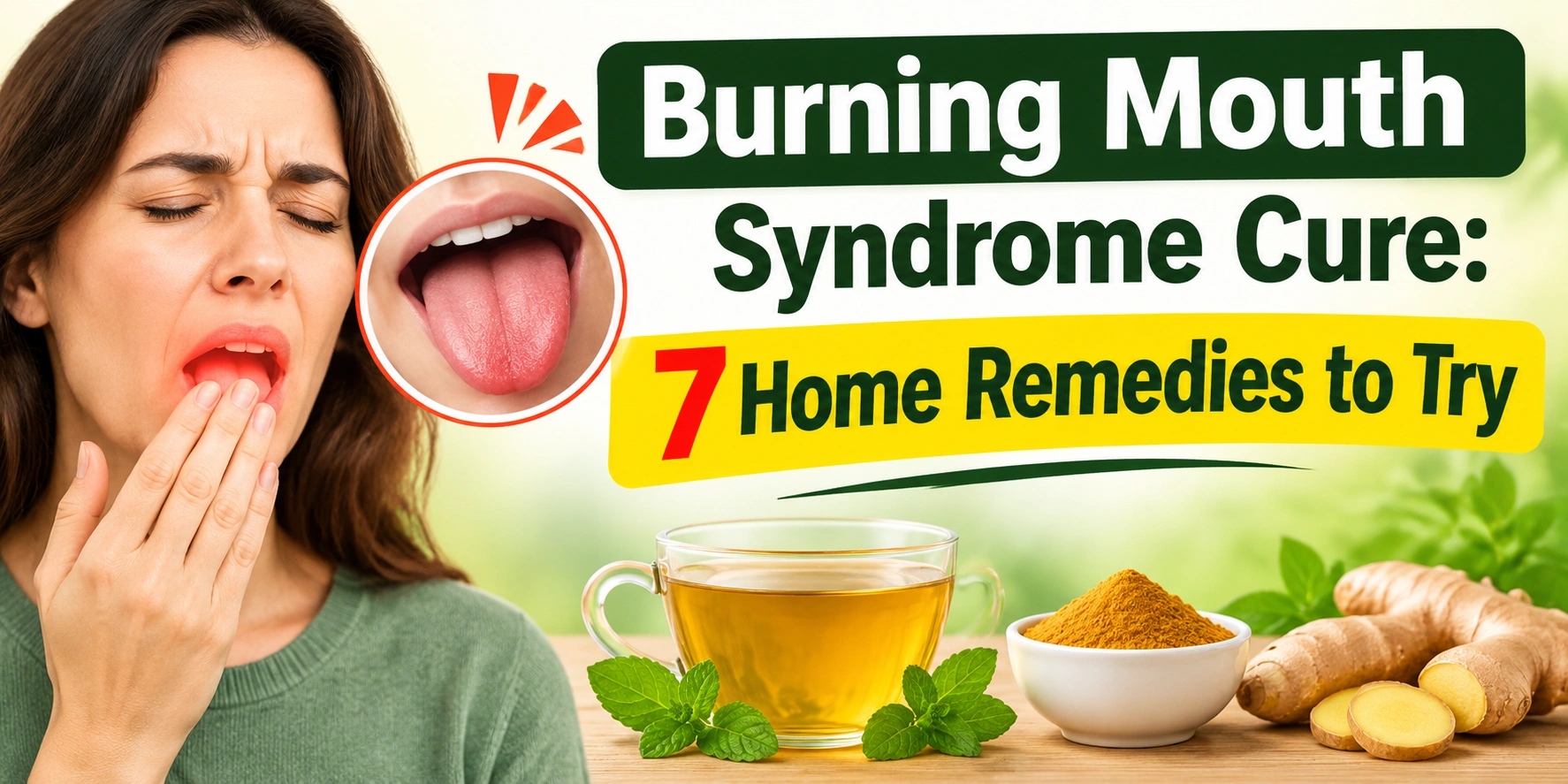
Explore seven practical home remedies that may help relieve burning mouth syndrome cure symptoms and improve everyday oral comfort.
Burning mouth syndrome can cause persistent discomfort, making everyday activities such as eating, drinking and speaking unpleasant. People searching for burning mouth syndrome cure home remedies often want simple ways to calm the burning sensation and improve oral comfort. Although no single home remedy can permanently cure primary burning mouth syndrome, several practical approaches may help manage symptoms, reduce irritation and support better oral health.
This condition, sometimes called glossodynia, involves a burning, scalding or tingling sensation inside the mouth without an obvious visible cause. It commonly affects the tongue but may also involve the lips, gums, palate and other areas. Some people experience dryness, unusual taste sensations or a metallic flavour alongside the discomfort.
Understanding the possible causes is important before choosing a treatment. Burning mouth symptoms can develop independently or occur because of another health problem. The right approach depends on identifying which situation applies.
What Is Burning Mouth Syndrome?
Burning mouth syndrome (BMS) is a condition characterised by persistent or recurring burning sensations inside the mouth. The discomfort may appear suddenly or gradually and can continue for months or even years.
Some people experience burning throughout the day, while others notice that symptoms become stronger as the day progresses. Eating or drinking may temporarily reduce discomfort in certain individuals.
Healthcare professionals generally distinguish between two forms.
Primary burning mouth syndrome: This occurs when examinations and investigations do not identify another medical explanation. Researchers believe changes involving the nerves responsible for pain and taste may contribute to this condition.
Secondary burning mouth syndrome: This develops when another condition, medication or oral health problem causes the burning sensation. Examples include nutritional deficiencies, dry mouth, oral infections, allergies and hormonal or metabolic disorders.
Distinguishing between these forms helps healthcare professionals select appropriate treatments. Home remedies may provide temporary comfort, but they cannot replace treatment for an underlying medical problem.
Common Symptoms and Possible Causes
The main symptom is a burning feeling that may resemble drinking a hot beverage or eating irritating food. However, symptoms vary considerably between individuals.
Common experiences include:
- Burning or tingling sensations on the tongue.
- Discomfort affecting the lips, gums or roof of the mouth.
- Persistent mouth dryness.
- Metallic, bitter or unusual taste sensations.
- Increased sensitivity to certain foods.
- Difficulty enjoying meals because of oral discomfort.
- Changes in taste perception.
Several factors may contribute to these symptoms. Low levels of iron, vitamin B12, folate or other nutrients can sometimes cause oral discomfort. Diabetes, thyroid disorders, acid reflux and oral fungal infections may also contribute.
Certain medications can affect saliva production, while dental materials, toothpaste ingredients and mouthwashes may irritate sensitive oral tissues.
Stress, anxiety, poor sleep and teeth grinding can influence how people experience persistent mouth discomfort. However, symptoms should never automatically be attributed to psychological factors without an appropriate examination.
1. Drink Water Frequently Throughout the Day
Staying hydrated is one of the simplest approaches to managing oral discomfort. A dry mouth can make burning sensations more noticeable, particularly when saliva production is reduced.
Saliva helps lubricate oral tissues, maintain moisture and protect the mouth. When there is insufficient saliva, the tongue and surrounding tissues may become more sensitive to irritation.
Keep a bottle of drinking water nearby and take small sips throughout the day. Instead of drinking a large quantity occasionally, maintain regular fluid intake according to your individual needs.
Cold or room-temperature water may feel more comfortable than hot beverages. Notice which temperature provides the greatest relief and avoid anything that increases discomfort.
People who experience persistent dryness may also benefit from discussing saliva substitutes with a dentist or pharmacist.
However, drinking additional water will not correct every cause of burning mouth syndrome. Certain medications, autoimmune conditions and salivary gland problems can affect saliva production independently of hydration.
If dryness continues despite regular fluid intake, arrange an assessment to investigate the underlying reason.
2. Use Ice Chips for Temporary Comfort
Cold temperatures can provide temporary relief from burning sensations by reducing discomfort in sensitive areas.
Ice chips are a simple option that some people find soothing. Allow a small piece to melt slowly inside the mouth rather than chewing large pieces of ice.
You can also try sipping a cool beverage when symptoms become uncomfortable. Avoid extremely cold temperatures if they increase sensitivity or cause additional pain.
This approach may be particularly useful during periods when the tongue feels hot or irritated. However, its benefits are temporary and should not be considered a permanent treatment.
Avoid using ice directly against one sensitive area for extended periods. Excessive exposure to cold can create additional discomfort, particularly when oral tissues are already sensitive.
People with dental sensitivity should also be cautious and choose a comfortable temperature.
Combining occasional ice chips with regular hydration may help maintain oral moisture while providing short periods of relief.
If cold foods and beverages consistently worsen your symptoms, discontinue this approach and discuss alternative options with your dental professional.
3. Choose Mild and Irritation-Free Oral Care Products
Everyday oral hygiene products can influence how comfortable your mouth feels. Strong flavours and certain ingredients may irritate sensitive oral tissues.
Some people with burning mouth symptoms report discomfort after using toothpastes containing cinnamon or mint. Strongly flavoured mouthwashes and products containing alcohol may also increase irritation.
Consider switching to a mild, flavour-free toothpaste designed for sensitive mouths. A product without cinnamon or strong mint flavouring may be more comfortable.
Continue brushing twice daily using a soft-bristled toothbrush. Gentle brushing helps maintain oral hygiene without creating unnecessary friction.
Do not scrub your tongue aggressively or use abrasive cleaning products. Excessive brushing may aggravate already sensitive tissues.
Check product ingredients and introduce changes gradually. If symptoms improve after replacing a particular toothpaste or mouthwash, discuss the suspected sensitivity with your dentist.
Avoid abandoning fluoride protection without professional advice. Maintaining healthy teeth remains important even when your mouth feels uncomfortable.
4. Identify and Avoid Foods That Trigger Burning
Food choices can influence the severity of burning mouth symptoms. Certain ingredients may irritate sensitive tissues, making discomfort more noticeable after meals.
Common potential triggers include:
- Chilli and other spicy ingredients.
- Lemon, oranges and grapefruit.
- Tomato-based sauces.
- Vinegar and highly acidic foods.
- Alcoholic beverages.
- Very hot foods and drinks.
- Strongly flavoured sweets and chewing gum.
You do not necessarily need to eliminate every item from your diet. Instead, identify which foods consistently increase your symptoms.
Maintain a simple food diary for one or two weeks. Record what you eat, when discomfort develops and how long it continues.
Choose softer, mildly flavoured meals when your mouth feels particularly sensitive. Porridge, plain rice, cooked vegetables and other comfortable foods may be easier to tolerate.
Avoid unnecessarily restricting your diet because nutritional deficiencies can contribute to oral symptoms. If eating becomes difficult, consult a healthcare professional or registered dietitian.
5. Try Sugar-Free Gum to Support Saliva Production
Reduced saliva production can contribute to dryness and oral discomfort. Sugar-free chewing gum may help stimulate natural saliva production in people whose salivary glands function adequately.
Chewing gently for a short period after meals may improve moisture inside the mouth.
Choose an unflavoured or mildly flavoured product if strong flavours trigger irritation. Products containing xylitol may also support dental health by reducing the risk of tooth decay when used appropriately.
However, avoid gum containing ingredients that personally increase your symptoms. Some people find mint and cinnamon flavours particularly irritating.
People with jaw pain, temporomandibular joint problems or difficulty chewing should ask their dentist whether chewing gum is suitable.
Remember that sugar-free gum does not treat nerve-related pain or correct medical conditions responsible for reduced saliva production.
If your mouth remains persistently dry, ask about saliva substitutes or other treatments that may provide more reliable moisture.
6. Practise Stress Management and Relaxation
Living with persistent mouth discomfort can affect concentration, sleep, eating habits and emotional wellbeing. Stress may also make pain more difficult to manage.
Relaxation techniques cannot guarantee a cure, but they may help people cope with ongoing symptoms.
Consider including simple activities in your daily routine:
Deep breathing: Spend five minutes breathing slowly and comfortably. Focus on relaxing your shoulders and jaw.
Gentle exercise: Walking, stretching or other enjoyable physical activities may support general wellbeing.
Meditation: Short mindfulness sessions can help reduce tension and improve awareness of habits such as clenching your teeth.
Healthy sleep habits: Maintain a consistent bedtime and create a comfortable sleeping environment.
If you notice that you frequently press your tongue against your teeth or clench your jaw, discuss these habits with your dentist.
Cognitive behavioural therapy may also help people manage chronic pain and the emotional effects of persistent symptoms.
Do not assume that stress is the only explanation for burning sensations. Medical and dental investigations remain important.
7. Maintain a Balanced Diet and Correct Nutritional Deficiencies
Nutritional health plays an important role in maintaining healthy oral tissues and normal nerve function.
Deficiencies involving iron, vitamin B12, folate and other nutrients can sometimes contribute to burning sensations or related oral problems.
A balanced diet provides nutrients needed for normal tissue maintenance. Include suitable sources of protein, vegetables, fruit, whole grains and other nutrient-rich foods.
Depending on your dietary requirements, useful options may include eggs, fish, beans, leafy vegetables and fortified foods.
However, nutritional supplements should not be treated as an automatic solution. Taking high doses of vitamins without identifying a deficiency may be unnecessary or harmful.
Ask your healthcare professional whether blood tests are appropriate. Depending on your symptoms and medical history, investigations may include vitamin B12, iron status, blood glucose and thyroid function.
If a deficiency is confirmed, your clinician can recommend suitable dietary changes or supplements.
Correcting an underlying deficiency may improve secondary burning mouth symptoms. Primary burning mouth syndrome, however, may require a different treatment approach.
Exploring Additional Support for Oral Comfort
People interested in a Natural Treatment for Burning Mouth Syndrome should focus on approaches that support oral comfort without irritating sensitive tissues.
Gentle oral hygiene, adequate hydration, appropriate food choices and avoiding personal triggers are reasonable starting points. These measures are generally more practical than experimenting with multiple unverified remedies.
Some people also explore herbal ingredients and traditional oral care products. However, natural does not automatically mean safe or effective. Essential oils, concentrated plant extracts and strongly flavoured herbal preparations can irritate the mouth.
There is limited reliable evidence that herbal products can permanently cure primary burning mouth syndrome. Discuss any proposed supplement or topical preparation with a qualified healthcare professional before using it.
How Can You Get a Proper Diagnosis?
Burning sensations inside the mouth have several possible explanations. A professional assessment helps distinguish burning mouth syndrome from other conditions that may require specific treatment.
Start by visiting a dentist or doctor. They will ask about your symptoms, medical history, medications and oral hygiene routine.
Depending on the findings, investigations may include:
- Blood tests for nutritional deficiencies.
- Blood glucose testing.
- Thyroid function assessment.
- Oral swabs to investigate fungal infections.
- Saliva production testing.
- Allergy assessment when appropriate.
- Examination of dental appliances and oral tissues.
A healthcare professional may also review medicines that could contribute to dry mouth or oral discomfort.
Never stop prescribed medication without speaking to the prescribing clinician.
If an underlying infection, nutritional deficiency or medical condition is identified, treating that problem may substantially improve symptoms.
The Role of Reliable Oral Care Information
Finding trustworthy information is important when exploring treatments for persistent oral discomfort. Websites such as Herbal Care Products can provide additional educational material about oral health, natural ingredients and general wellness.
However, readers should distinguish educational information from clinically established treatment recommendations. Product descriptions and traditional uses do not demonstrate that an ingredient can cure burning mouth syndrome.
Before purchasing supplements or applying herbal preparations inside the mouth, check the ingredients and discuss potential risks with a dentist or pharmacist.
People with allergies, chronic medical conditions or ongoing medication use should be particularly careful.
A responsible approach combines reliable information, professional diagnosis and evidence-informed self-care rather than depending on unsupported treatment claims.
When Should You Seek Medical Advice?
Do not ignore persistent or unexplained burning sensations. Arrange a dental or medical assessment if symptoms continue for several days, repeatedly return or interfere with eating and drinking.
Seek prompt attention if you experience significant swelling, blisters, ulcers, difficulty swallowing or other concerning changes.
A healthcare professional should also investigate unexplained weight loss, persistent dry mouth, altered taste or symptoms that progressively worsen.
Although burning mouth syndrome is not usually associated with visible tissue damage, similar sensations can occur with infections, nutritional deficiencies and other oral conditions.
Early assessment can help identify treatable causes and prevent unnecessary discomfort.
Frequently Asked Questions
1. Can burning mouth syndrome be cured permanently?
Primary burning mouth syndrome currently has no established permanent cure. However, treatments can help control symptoms. Secondary cases may improve or resolve when the underlying cause is successfully treated.
2. What is the fastest home remedy for burning mouth syndrome?
Sipping cool water and allowing ice chips to melt slowly may provide temporary comfort. Avoiding irritating foods and strongly flavoured oral care products may also help.
3. Does vitamin B12 deficiency cause burning mouth?
Yes. Vitamin B12 deficiency can contribute to oral burning and other symptoms. Blood testing can help identify a deficiency so appropriate treatment can be recommended.
4. Is honey good for burning mouth syndrome?
Honey has traditional uses, but reliable evidence does not establish it as a treatment for burning mouth syndrome. Its sugar content also makes frequent use unsuitable for dental health.
5. Can toothpaste make burning mouth symptoms worse?
Yes. Certain flavours and ingredients may irritate sensitive oral tissues. Mild or flavour-free toothpaste may be more comfortable for some individuals.
6. How long does burning mouth syndrome last?
Symptoms can continue for months or years, particularly in primary cases. Duration varies, and appropriate treatment may improve symptom management.
Final Thoughts
Burning mouth syndrome can make ordinary activities uncomfortable, but a combination of professional care and sensible daily habits may help improve quality of life.
Regular hydration, ice chips, gentle oral hygiene, avoiding food triggers, sugar-free gum, relaxation and balanced nutrition are seven practical approaches worth discussing with your healthcare professional.
Most importantly, remember that home remedies manage discomfort rather than guarantee a permanent cure. Identifying nutritional deficiencies, infections, medication effects and other underlying causes is essential.
If symptoms persist, seek an appropriate dental or medical assessment. With an accurate diagnosis and an individualised management plan, many people can find better ways to control their symptoms and maintain everyday oral comfort.
About the Author