Lichen Sclerosis in Women and Men: Understanding the Condition
Lichen Sclerosis in Women and Men is a chronic inflammatory skin condition that commonly affects the genital and anal areas. It can cause white patches, itching, soreness, fragile skin, and changes in the affected tissue. Although anyone can develop this condition, it is more common in women, particularly after menopause.
The medically accepted spelling is lichen sclerosus, although many people search online using the phrase lichen sclerosis. Understanding this condition is important because early diagnosis and appropriate treatment can help control inflammation and reduce the risk of permanent scarring.
Some people explore Lichen Planus Alternative Treatment when researching inflammatory skin conditions. However, lichen planus and lichen sclerosus are different disorders, so their treatments should not be confused.
This guide explains the causes, symptoms, differences between men and women, diagnosis, medical treatments, and supportive skin-care practices. It also answers frequently asked questions to help readers understand this condition.
What Is Lichen Sclerosis in Women and Men?
Lichen sclerosus is an inflammatory skin disorder that causes thin, fragile, discolored patches. It most frequently affects the skin around the vulva, penis, and anus, although other body areas can also be involved.
The affected skin may become white, smooth, shiny, or wrinkled. In addition, it can become fragile and develop small cracks, bruises, or sores.
Lichen sclerosus is not an infection and cannot spread through sexual contact or ordinary physical interaction. Its exact cause remains unknown, although immune-system activity, genetic factors, and previous skin irritation may contribute.
The condition can affect children and adults. Nevertheless, it is particularly common among postmenopausal women and can also occur in men and uncircumcised boys.
Although symptoms sometimes improve with treatment, the condition may require long-term management. Therefore, regular medical assessment is important.
Causes of Lichen Sclerosis in Women and Men
Researchers have not identified one specific cause of lichen sclerosus. Instead, several biological and environmental factors may contribute to its development.
1. Immune System Activity
An abnormal immune response may cause the body to attack healthy skin tissue. This inflammation can gradually produce white patches, thinning, irritation, and scarring.
Some people with lichen sclerosus also have other autoimmune conditions, such as thyroid disorders or vitiligo. However, having an autoimmune condition does not mean someone will automatically develop lichen sclerosus.
2. Genetic Factors
Genetic susceptibility may influence who develops the condition. People with a family history of certain autoimmune or inflammatory disorders may have an increased likelihood of developing it.
However, researchers continue investigating the precise genetic connections.
3. Hormonal Influences
Lichen sclerosus is frequently diagnosed in women after menopause. Hormonal changes may influence skin sensitivity and contribute to the condition’s development or symptoms.
Nevertheless, hormonal changes alone have not been established as the cause.
4. Skin Irritation and Previous Damage
Repeated friction, rubbing, or injury may aggravate sensitive skin. In some people, these factors may contribute to the development or worsening of lesions.
Therefore, avoiding unnecessary irritation is an important part of everyday skin care.
5. Other Possible Health Factors
Certain medical conditions may occur alongside lichen sclerosus. For example, autoimmune thyroid disease has been reported more frequently among some affected individuals.
Importantly, lichen sclerosus is not caused by poor hygiene, and it is not considered a sexually transmitted infection.
Symptoms of Lichen Sclerosis in Women
In women, lichen sclerosus most commonly affects the vulva and surrounding skin. It may also involve the area around the anus.
Symptoms can range from mild irritation to significant discomfort. Some women experience visible skin changes without noticeable itching.
Common symptoms include:
- White, pale, or shiny patches around the vulva.
- Persistent itching, especially at night.
- Burning, soreness, or tenderness.
- Fragile skin that bruises or tears easily.
- Small cracks, blisters, or open sores.
- Pain during sexual activity.
- Discomfort while urinating.
- Tightening or scarring of affected tissue.
As inflammation continues, scarring may change the normal appearance of the vulva. The labia minora may gradually shrink, and the clitoral hood or vaginal opening may become tighter.
These changes can affect sexual comfort and everyday activities. Consequently, women should seek medical advice when they notice persistent itching, white patches, or unexplained genital discomfort.
Symptoms of Lichen Sclerosis in Men
Men can also develop lichen sclerosus, particularly around the foreskin and head of the penis. In men, the condition is sometimes called balanitis xerotica obliterans.
The symptoms may develop gradually and become more noticeable over time.
Common signs include:
- White or pale patches on the foreskin.
- Tightening of the foreskin.
- Difficulty pulling back the foreskin.
- Cracking, soreness, or bleeding.
- Pain during erections.
- Irritation around the head of the penis.
- Changes in the opening of the urethra.
- A weak or uncomfortable urine stream.
In some cases, scarring can cause phimosis, meaning the foreskin becomes too tight to retract normally.
Additionally, inflammation around the urinary opening may interfere with urine flow. Men experiencing difficulty urinating should seek prompt medical assessment.
Early treatment can help control inflammation and reduce the risk of permanent tissue changes.
Lichen Sclerosus in Other Areas of the Body
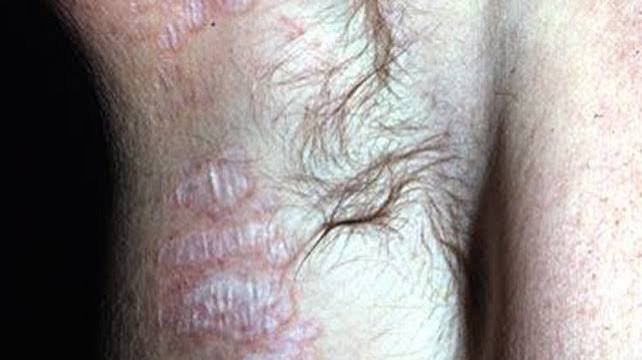
Although genital involvement is most common, lichen sclerosus can occasionally affect other skin areas. These cases are called extragenital lichen sclerosus.
Possible locations include:
- Upper chest.
- Shoulders.
- Back.
- Upper arms.
- Breasts.
- Other areas of the trunk.
Affected areas may develop pale, shiny, or wrinkled patches. Some people experience itching, while others notice only changes in skin appearance.
Extragenital lesions may occur alongside genital disease. Therefore, unusual skin patches should be examined by a dermatologist.
Natural Remedies for Lichen Planus and Lichen Sclerosus: Understanding the Difference
People researching Natural Remedies for Lichen Planus may also encounter information about lichen sclerosus. However, these conditions are medically different and should not be treated as interchangeable.
Lichen planus is another inflammatory disorder that can affect the skin, mouth, scalp, nails, and genital tissues. Lichen sclerosus more commonly produces fragile, pale patches and scarring, particularly around genital skin.
Consequently, remedies discussed for lichen planus should not automatically be considered suitable for lichen sclerosus.
For general skin comfort, some supportive practices may include:
Gentle cleansing: Use fragrance-free products and avoid harsh soaps that may irritate sensitive skin.
Moisturizing: A suitable fragrance-free emollient may help protect the skin and reduce dryness.
Avoiding friction: Choose comfortable clothing and avoid rubbing or scratching affected areas.
Careful personal hygiene: Wash gently with lukewarm water and pat the skin dry instead of rubbing.
Balanced nutrition: Eat a varied diet to support general health. However, no particular food has been proven to cure lichen sclerosus.
These measures can support comfort but do not replace prescribed treatment. Avoid applying herbal mixtures, essential oils, or household remedies to genital skin without professional advice.
Medical Treatment Options for Lichen Sclerosis in Women and Men
Medical treatment aims to reduce inflammation, relieve symptoms, prevent further scarring, and monitor possible complications.
A healthcare professional will select treatment according to the affected area, severity, and individual medical history.
1. Prescription Corticosteroid Ointments
Potent or ultrapotent topical corticosteroids are the standard first-line treatment for genital lichen sclerosus.
Clobetasol propionate is one commonly prescribed medicine. It reduces inflammation, itching, and irritation while helping control active disease.
The treatment schedule depends on the affected area and clinical assessment. Some people require an initial treatment course followed by individualized maintenance therapy.
Although these medicines are effective, they should be used exactly as prescribed. Regular medical reviews help ensure appropriate application and monitor the skin.
2. Moisturizers and Emollients
Fragrance-free emollients may help protect fragile skin and reduce dryness. They can also be used alongside prescribed medication when recommended.
However, moisturizers do not replace corticosteroid treatment.
3. Other Prescription Treatments
When standard treatment does not provide adequate control, a specialist may consider other options.
Topical calcineurin inhibitors, such as tacrolimus or pimecrolimus, may sometimes be considered as second-line treatments. Their suitability depends on the individual case.
For certain lesions, additional specialist treatments may be discussed after careful examination.
4. Surgical Treatment
Surgery is not usually the first treatment. However, it may be recommended when scarring causes significant structural problems.
For some men with persistent foreskin tightening, circumcision may be considered. Other procedures may be required for selected complications.
Women may occasionally need specialist procedures when scarring significantly affects normal anatomy or function.
Herbs Solutions By Nature and General Skin Wellness
People researching herbal wellness information may come across Herbs Solutions By Nature, a brand associated with herbal supplements and natural wellness products.
When considering supplements for general skin health, it is important to examine the ingredients, product quality, dosage, and possible interactions.
There is currently no reliable evidence that a particular herbal supplement cures lichen sclerosus or reverses established scarring. Therefore, supplements should not replace medical treatment.
Some herbal ingredients may also cause allergic reactions or interact with prescription medicines. Discuss any product with a qualified healthcare professional before using it, especially when treating sensitive genital skin.
The most important priorities remain an accurate diagnosis, appropriate medical treatment, gentle skin care, and regular follow-up.
Possible Complications and Long-Term Health Effects
Without appropriate management, lichen sclerosus can sometimes cause lasting changes to the affected skin.
Possible complications include:
Scarring: Repeated inflammation may cause permanent changes in the affected tissue.
Sexual discomfort: Tightening, soreness, and fragile skin may make sexual activity painful.
Urinary problems: Scarring around the urethral opening can sometimes interfere with urine flow, particularly in men.
Skin tears: Fragile skin may crack, bleed, or develop painful sores.
Cancer risk: Genital lichen sclerosus is associated with an increased risk of squamous cell carcinoma in the affected area. The overall risk remains relatively low, but regular monitoring is important.
Seek prompt assessment for a new lump, thickened area, persistent ulcer, bleeding lesion, or skin change that does not heal.
Diagnosis: How Doctors Identify Lichen Sclerosus
A doctor usually begins with a physical examination and a review of symptoms and medical history.
The appearance and location of affected skin may strongly suggest lichen sclerosus. However, other conditions, including eczema, infections, lichen planus, and other inflammatory disorders, can produce similar changes.
A skin biopsy may be recommended when the diagnosis is uncertain, the appearance is unusual, or a suspicious lesion needs further investigation.
The sample is examined under a microscope to identify characteristic tissue changes.
Depending on the symptoms, a patient may be referred to a dermatologist, gynecologist, urologist, or specialist in genital skin conditions.
Accurate diagnosis is important because treatment and monitoring requirements differ between conditions.
Daily Care and Prevention Tips
Although lichen sclerosus cannot always be prevented, certain habits can help protect sensitive skin and reduce irritation.
- Use fragrance-free cleansers and suitable moisturizers.
- Avoid perfumed soaps, bubble baths, and harsh personal-care products.
- Wear loose, comfortable underwear and clothing.
- Avoid scratching or rubbing affected areas.
- Follow prescribed medication instructions carefully.
- Use suitable lubricants if sexual activity causes friction.
- Attend recommended medical follow-up appointments.
- Report new sores, lumps, bleeding, or persistent pain.
Additionally, avoid stopping prescribed corticosteroids simply because symptoms improve. Your healthcare professional can recommend whether maintenance treatment is necessary.
Frequently Asked Questions
1. What is lichen sclerosis in women and men?
It is a chronic inflammatory skin condition that commonly affects genital and anal areas. It can cause pale patches, itching, fragile skin, soreness, and scarring.
2. Is lichen sclerosus contagious?
No. It is not an infection and cannot spread through sexual contact, touching, or sharing personal belongings.
3. Can men develop lichen sclerosus?
Yes. Men can develop it around the foreskin and head of the penis. Symptoms may include white patches, tightening, cracking, and painful erections.
4. Can women develop lichen sclerosus after menopause?
Yes. It is more common among postmenopausal women, although younger women and children can also develop the condition.
5. Is lichen sclerosus curable?
There is currently no guaranteed permanent cure. However, prescription treatment can control inflammation, relieve symptoms, and reduce the risk of further scarring.
6. What is the best treatment for lichen sclerosus?
Potent or ultrapotent topical corticosteroid ointments are the standard first-line treatment for genital disease. A healthcare professional determines the appropriate regimen.
7. Can natural remedies cure lichen sclerosus?
No natural remedy has been proven to cure this condition. Gentle skin care and moisturizers may support comfort but should not replace prescribed medication.
8. Does lichen sclerosus increase cancer risk?
Yes. Genital lichen sclerosus is associated with an increased risk of squamous cell carcinoma in affected skin. Regular monitoring and prompt assessment of suspicious changes are important.
9. Can lichen sclerosus affect urination?
Yes. Scarring around the urethral opening can sometimes interfere with urine flow. Difficulty urinating should be assessed by a healthcare professional.
10. How often should someone with lichen sclerosus see a doctor?
Follow-up frequency depends on disease activity, treatment response, and individual risk. Regular examinations help monitor skin changes and identify complications.
Conclusion
Lichen Sclerosis in Women and Men is a chronic inflammatory skin condition that can cause white patches, itching, soreness, fragile tissue, and permanent scarring. Although it affects women more frequently, men and children can also develop it.
Recognizing early symptoms and receiving an accurate diagnosis can make a meaningful difference. Prescription corticosteroid ointments remain the standard treatment for genital disease, while gentle skin care supports everyday comfort.
Although people may explore alternative therapies, herbal products and natural remedies have not been proven to cure lichen sclerosus. Remember that lichen planus is a separate condition with different treatment considerations.
Ultimately, professional medical care, consistent treatment, and regular monitoring provide the best foundation for managing lichen sclerosus and protecting long-term skin health.
About the Author