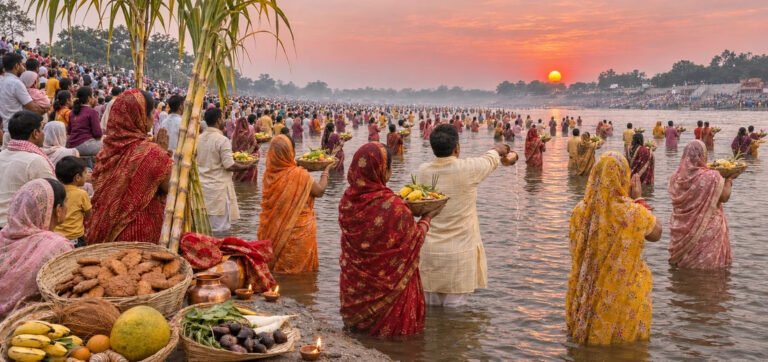
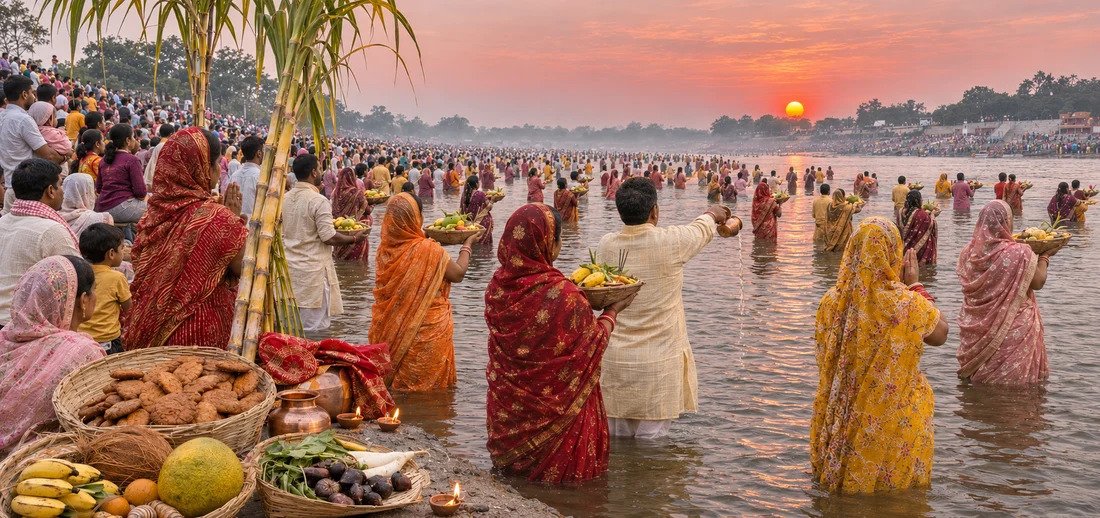
Chhath Puja is one of the most sacred Hindu festivals dedicated to Lord Surya (the Sun God) and Chhathi Maiya. Among its beautiful traditions, Kosi Bharai holds special importance because it represents devotion, gratitude, family happiness, and prayers for the well-being of loved ones. During Chhath Puja 2026, devotees will once again observe this meaningful ritual with traditional offerings, sugarcane, earthen lamps, and heartfelt prayers.
Kosi Bharai is especially popular in Bihar, Jharkhand, eastern Uttar Pradesh, and other regions where Chhath Puja is celebrated with great enthusiasm. For devotees, it is more than a religious custom; it is an expression of faith and family traditions. At Sadhana Shop, we understand the importance of preserving traditional spiritual practices and celebrating festivals with devotion.
What Is Kosi Bharai in Chhath Puja 2026?
Kosi Bharai is a traditional ritual performed during Chhath Puja 2026 in which devotees prepare a decorated structure, commonly made using sugarcane, bamboo, earthen lamps, and other puja materials. The structure is known as Kosi and is associated with prayers to Chhathi Maiya and Lord Surya.
The ritual is generally performed in the evening or at night, depending on family and regional traditions. Devotees arrange offerings and light earthen lamps around the Kosi while singing traditional Chhath songs and praying for happiness, prosperity, good health, and the well-being of their families.
The Kosi ritual is particularly meaningful for families who have made a religious vow or wish to express gratitude after the fulfilment of a wish. Its exact customs can vary from one family and region to another.
Why Is Kosi Bharai Performed During Chhath Puja?
Kosi Bharai is performed as an expression of devotion, gratitude, and faith in Chhathi Maiya. Many families observe it to seek blessings for their children, family members, and household.
For some devotees, this ritual is connected with a fulfilled wish, while others perform it as part of their family’s longstanding Chhath traditions. The illuminated Kosi represents devotion and the spiritual atmosphere of the festival.
What Is the Spiritual Meaning of Kosi Bharai?
The spiritual meaning of Kosi Bharai is connected with gratitude, purity, discipline, and family well-being.
- Faith and devotion: It reflects the devotee’s trust in Chhathi Maiya and Lord Surya.
- Family happiness: Families pray for peace, prosperity, and good health.
- Gratitude: Devotees express thankfulness for blessings received.
- Tradition: The ritual helps preserve cultural and religious practices across generations.
- Positive beginnings: The lighting of earthen lamps symbolises hope, positivity, and spiritual awareness.
What Are the Important Rituals of Kosi Bharai?
Kosi Bharai involves several traditional activities that make the celebration spiritually meaningful. Although the exact arrangements differ between families, the following elements are commonly associated with the ritual.
1. Preparing the Kosi Structure
The Kosi structure is traditionally decorated using sugarcane sticks or other locally preferred materials. Sugarcane is an important part of Chhath Puja offerings and is often arranged around the ritual space.
2. Decorating with Earthen Lamps
Small clay lamps, also known as diyas, are placed around or near the Kosi structure. Devotees light these lamps as part of their prayers. The glowing diyas create a peaceful and devotional atmosphere.
3. Arranging Traditional Puja Offerings
Devotees arrange fruits, thekua, seasonal produce, and other traditional offerings. These items are prepared with cleanliness and devotion as part of Chhath celebrations.
4. Offering Prayers to Chhathi Maiya
Family members gather around the Kosi and offer prayers to Chhathi Maiya. Traditional songs and devotional chants are also an important part of the celebration.
5. Praying for Family Prosperity
Devotees pray for the happiness, health, and prosperity of their families. Many families perform Kosi Bharai to fulfil a religious vow or express gratitude for blessings.
What Is the Difference Between Chhath Puja and Kosi Bharai?
Chhath Puja and Kosi Bharai are closely connected, but they are not the same thing.
Chhath Puja is a major Hindu festival dedicated to Lord Surya and Chhathi Maiya. It involves fasting, offering Arghya to the setting and rising Sun, and observing several traditional rituals over four days.
Kosi Bharai is a specific ritual associated with Chhath celebrations. It involves preparing and decorating the Kosi structure, lighting diyas, arranging offerings, and praying for family well-being.
In simple words, Chhath Puja is the overall festival, while Kosi Bharai is one of its meaningful traditional observances.
How Is Kosi Bharai Connected with Other Hindu Festivals?
The Hindu calendar includes several important festivals and religious observances during the Kartik month. Chhath Puja, Dev Uthani Ekadashi, and other devotional occasions reflect different aspects of Hindu faith and spiritual traditions.
What Is the Connection Between Chhath Puja 2026 and Dev Uthani Ekadashi?
Dev Uthani Ekadashi is an important Hindu festival that celebrates the symbolic awakening of Lord Vishnu after his period of divine rest, known as Yoga Nidra.
It is observed on the Ekadashi tithi of Shukla Paksha in the Kartik month. The occasion is also associated with the beginning of many auspicious Hindu activities, including traditional wedding ceremonies.
Chhath Puja and Dev Uthani Ekadashi are separate religious observances, but both hold an important place in the Kartik month. While Chhath Puja focuses on worshipping Lord Surya and Chhathi Maiya, Dev Uthani Ekadashi is dedicated to Lord Vishnu.
Both festivals encourage devotees to follow spiritual discipline, express gratitude, and strengthen their connection with religious traditions.
Why Is Shiv Chalisa Important During Hindu Religious Celebrations?
Shiv Chalisa is a devotional prayer dedicated to Lord Shiva. It consists of forty verses that describe the qualities, divine powers, and blessings of Lord Shiva.
Many devotees recite Shiv Chalisa to seek peace, strength, spiritual guidance, and protection. Although Shiv Chalisa is not a specific ritual of Chhath Puja, it remains an important part of personal Hindu devotional practices.
During the festive season, devotees may include prayers such as Shiv Chalisa in their daily worship routines according to their family traditions and personal beliefs.
How to Prepare for Kosi Bharai During Chhath Puja 2026?
Proper preparation helps families perform Kosi Bharai with devotion and maintain the traditional importance of the ritual.
Here are some simple steps to prepare:
- Clean the puja area: Clean the place where the Kosi ritual will be performed and maintain its purity.
- Arrange sugarcane: Collect fresh sugarcane sticks for preparing the traditional Kosi structure.
- Prepare earthen diyas: Arrange clean clay lamps and suitable lighting materials.
- Collect puja offerings: Keep fruits, thekua, seasonal produce, and other traditional offerings ready.
- Decorate the Kosi: Arrange the materials according to your family tradition.
- Perform prayers: Gather family members and offer prayers to Chhathi Maiya with devotion.
Families can prepare their puja essentials in advance to make the celebration peaceful and organised. Sadhana Shop supports devotees in celebrating spiritual occasions by encouraging traditional worship practices and devotion.
What Makes Kosi Bharai Special for Families?
Kosi Bharai is special because it brings family members together through a shared religious tradition. It creates an opportunity for younger generations to learn about their cultural heritage and understand the importance of faith and gratitude.
The ritual is also emotionally meaningful for many families. Devotees who have made a wish or experienced a positive change in their lives may perform Kosi Bharai as an expression of thankfulness.
The beautiful arrangement of sugarcane, earthen lamps, and traditional offerings creates an atmosphere of devotion. For many households, it is a memorable part of Chhath celebrations that connects generations through shared beliefs.
Conclusion
Kosi Bharai is an important traditional ritual associated with Chhath Puja 2026. It represents faith, gratitude, family happiness, and devotion towards Chhathi Maiya and Lord Surya. Through sugarcane decorations, earthen lamps, traditional offerings, and prayers, devotees express their wishes for a healthy and prosperous life.
Along with Chhath Puja, festivals such as Dev Uthani Ekadashi and devotional practices like reciting Shiv Chalisa reflect the richness of Hindu spiritual traditions.
Celebrate every religious occasion with devotion and preserve the traditions that bring families closer. Explore Sadhana Shop for traditional spiritual and puja essentials to support your devotional journey.
Frequently Asked Questions (FAQs)
1. What Is Kosi Bharai in Chhath Puja?
Kosi Bharai is a traditional Chhath Puja ritual in which devotees prepare a decorated structure using sugarcane, earthen lamps, and puja offerings. They perform prayers to Chhathi Maiya and seek blessings for family happiness, prosperity, and good health.
2. Why Is Kosi Bharai Performed During Chhath Puja 2026?
Kosi Bharai is performed to express devotion and gratitude towards Chhathi Maiya. Many families observe this ritual to fulfil religious vows, thank the deity for blessings, and pray for the well-being of their children and family members.
3. What Materials Are Required for Kosi Bharai?
Common materials include sugarcane sticks, earthen diyas, fruits, thekua, seasonal offerings, and other traditional puja items. The exact requirements may differ depending on regional customs and family traditions.
4. Is Kosi Bharai Compulsory During Chhath Puja?
No, Kosi Bharai is not compulsory for every Chhath devotee. It is a traditional ritual followed by many families, particularly in Bihar and nearby regions. Its observance depends on personal faith, family customs, and regional traditions.
5. What Is the Difference Between Chhath Puja and Dev Uthani Ekadashi?
Chhath Puja is dedicated to Lord Surya and Chhathi Maiya, while Dev Uthani Ekadashi celebrates the symbolic awakening of Lord Vishnu. Both are important Hindu observances during the Kartik month but involve different religious traditions.
6. Can We Recite Shiv Chalisa During Chhath Puja?
Yes, devotees can recite Shiv Chalisa as part of their personal daily prayers during the festive season. However, it is a prayer dedicated to Lord Shiva and is not a compulsory ritual of Chhath Puja.
7. How Does Sadhana Shop Help Devotees Celebrate Hindu Festivals?
Sadhana Shop encourages traditional worship practices and helps devotees explore spiritual and puja essentials for religious occasions. It aims to support meaningful celebrations while helping families stay connected with their cultural and devotional traditions.
About the Author
The Sadhana Shop Editorial Team creates informative content about Hindu festivals, religious traditions, devotional practices, and spiritual celebrations. The team focuses on sharing accessible information that helps readers understand the cultural and spiritual significance of important Hindu occasions.
About the Author