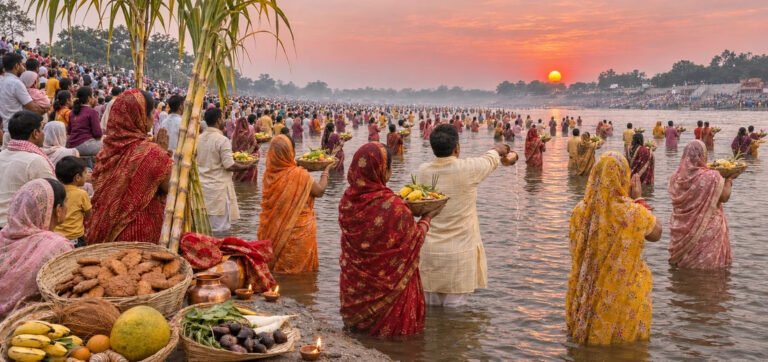
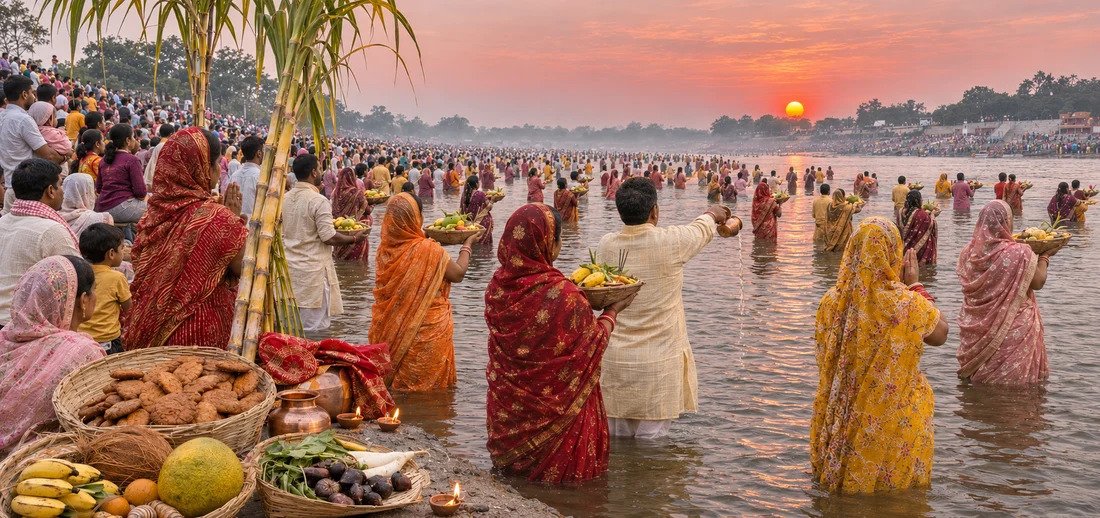
Chhath Puja is one of the most sacred Hindu festivals dedicated to Lord Surya (the Sun God) and Chhathi Maiya. Every ritual during this four-day festival carries deep spiritual and cultural significance. One of the most important traditions is preparing Chhath Puja 2026 prasad on a traditional clay chulha using natural ingredients and pure cooking methods. This practice represents cleanliness, devotion, simplicity, and respect for nature.
The use of a clay chulha is not simply an old-fashioned cooking method. It reflects the belief that food offered to the divine should be prepared with complete purity and dedication. At Sadhana Shop, we value India’s rich devotional traditions and the spiritual meaning behind festivals such as Chhath Puja.
Let’s understand why devotees prefer clay chulhas for preparing prasad and how this traditional practice continues to remain important in modern celebrations.
Why Is Chhath Puja 2026 Prasad Cooked on a Clay Chulha?
Chhath Puja 2026 prasad is traditionally cooked on a clay chulha because devotees consider it a pure and traditional way of preparing food for religious offerings. A clay stove is generally made from natural earth and is associated with simplicity, cleanliness, and a connection with nature.
During Chhath Puja, devotees follow strict rules of cleanliness and discipline. Food preparation is an important part of these observances. Thekua, rice-based offerings, and other traditional prasad are prepared with great care, often using a separate cooking space and dedicated utensils.
The clay chulha also represents the connection between human life and the five natural elements: earth, water, fire, air, and space. Since Chhath Puja itself involves worshipping the Sun, water bodies, and nature, cooking prasad on an earthen stove reflects the festival’s traditional values.
What Is the Spiritual Significance of a Clay Chulha?
A clay chulha holds a special place in traditional Hindu households. Clay is considered a natural material, and cooking on an earthen stove is associated with simplicity and purity.
During Chhath Puja, devotees prepare offerings with a peaceful mind and complete dedication. The cooking process is treated as part of the worship rather than an ordinary household activity.
Using a clay chulha also helps families preserve traditional methods passed down through generations. Grandparents and parents often teach younger family members how to prepare prasad while explaining the religious importance of each ingredient and ritual.
Why Is Purity Important While Preparing Chhath Prasad?
Purity is one of the most important principles of Chhath Puja. Devotees observe strict cleanliness throughout the festival, especially while preparing food offerings.
The person preparing prasad generally follows traditional practices, including washing hands, cleaning the cooking area, and using dedicated utensils. Ingredients are selected carefully, and food is prepared without tasting it before offering.
This discipline represents devotion, self-control, and respect for Lord Surya and Chhathi Maiya.
How Does a Clay Chulha Connect Chhath Puja With Nature?
Chhath Puja is deeply connected with nature. Devotees worship the Sun, offer prayers near rivers and ponds, and use natural ingredients during rituals.
A clay chulha strengthens this connection because it is made from earth and traditionally uses wood or other natural fuel. It reminds devotees of the importance of respecting natural resources and maintaining a simple lifestyle.
The practice also highlights how traditional Indian festivals encourage people to remain connected with their cultural roots.
Which Prasad Is Traditionally Prepared on a Clay Chulha During Chhath Puja?
Several traditional food offerings are prepared during Chhath Puja. Among them, thekua is particularly popular and is considered an important prasad.
The preparation process is carried out with care because these offerings are first presented to the Sun God before being distributed among family members and devotees.
Thekua: The Most Popular Chhath Puja Prasad
Thekua is a traditional sweet prepared using wheat flour, jaggery or sugar, and ghee. Some families also add dry fruits or other ingredients according to their traditions.
The dough is shaped into small decorative pieces and traditionally deep-fried. Preparing thekua on a clay chulha is an important practice in many households because it preserves the traditional cooking method associated with the festival.
Thekua is offered during Chhath Puja rituals and later distributed as prasad. Its preparation represents devotion, family participation, and the preservation of cultural heritage.
Other Traditional Food Offerings
Apart from thekua, devotees prepare several other offerings during Chhath Puja.
Rice-based sweets, fruits, coconut, sugarcane, seasonal produce, and other traditional food items are arranged in bamboo baskets known as soop or daura.
Each offering has its own cultural and religious importance. These items are presented during the morning and evening arghya rituals as an expression of gratitude to Lord Surya.
Clay Chulha vs Modern Gas Stove: What Is the Traditional Difference?
Both clay chulhas and modern gas stoves can be used for everyday cooking, but traditional Chhath Puja practices often give preference to earthen stoves.
A clay chulha is associated with natural materials, traditional cooking methods, and cultural values. A gas stove offers convenience and easier temperature control, but it does not carry the same traditional significance for families who follow the clay-chulha custom.
The preference for an earthen stove is primarily cultural and religious rather than a claim that it automatically makes food healthier or spiritually superior.
Why Do Some Families Avoid Modern Cooking Appliances?
Some devotees prefer not to use modern cooking appliances while preparing Chhath prasad because they want to follow the traditional methods practised by their ancestors.
For these families, the cooking process is an essential part of the religious observance. They believe that maintaining traditional practices helps preserve the sanctity of the offerings.
However, customs may differ from one family and region to another. The most important values remain devotion, cleanliness, sincerity, and respect for the rituals.
How to Prepare for Chhath Puja 2026 Prasad at Home
Preparing for Chhath Puja requires planning because devotees follow several rituals over four days. Arranging ingredients and cleaning the cooking area in advance can make the preparation process easier.
Here are some important steps to consider.
1. Clean the Cooking Area
The first step is to clean the kitchen and the area where the prasad will be prepared. Families following traditional practices may create a separate cooking space for Chhath offerings.
2. Arrange a Traditional Clay Chulha
Devotees who follow the earthen-stove tradition arrange a clean clay chulha before preparing the offerings. The stove should be stable and placed in a safe, well-ventilated area.
3. Select Pure Ingredients
Wheat flour, jaggery, ghee, rice, fruits, and other ingredients should be selected carefully. Fresh ingredients help maintain the quality of the prasad.
4. Prepare the Prasad With Care
Traditional offerings such as thekua are prepared according to family customs. Devotees generally maintain cleanliness and avoid tasting the food before it is offered.
5. Arrange the Offerings for Arghya
After preparation, prasad is arranged in traditional baskets along with fruits and other puja essentials. These offerings are taken to the water body during the evening and morning arghya rituals.
What Is the Connection Between Chhath Puja, Dev Uthani Ekadashi and Shiv Chalisa?
The Hindu devotional calendar includes several important festivals and spiritual practices. Chhath Puja, Dev Uthani Ekadashi, and the recitation of Shiv Chalisa are different religious observances, but all reflect devotion, faith, discipline, and gratitude.
Dev Uthani Ekadashi is an important Hindu festival that marks the traditional awakening of Lord Vishnu after his period of yogic sleep, known as Chaturmas. It is associated with the beginning of an auspicious period for many religious and ceremonial activities.
Chhath Puja is dedicated to Lord Surya and Chhathi Maiya. Devotees observe fasting, offer arghya, and prepare traditional prasad as part of the four-day celebration.
Similarly, Shiv Chalisa is a devotional hymn dedicated to Lord Shiva. Devotees recite it to express their faith and seek spiritual strength, peace, and blessings.
How Can Devotional Practices Strengthen Festival Celebrations?
Religious practices such as fasting, prayer, recitation, and traditional food preparation help devotees develop discipline and maintain a spiritual connection.
Families may include devotional reading and prayers in their daily routines during the festive season. Reciting Shiv Chalisa, observing Dev Uthani Ekadashi, and participating in Chhath Puja rituals are meaningful ways for devotees to celebrate their faith.
At Sadhana Shop, devotees can explore devotional essentials that complement their prayer routines and help them stay connected with India’s traditional spiritual culture.
How Is the Tradition of Clay Chulha Preserved in Modern Homes?
Modern lifestyles have changed the way people prepare food, but many families continue to follow traditional Chhath Puja customs.
Even in cities, devotees make special arrangements to prepare prasad using clay chulhas. Some families travel to their hometowns to celebrate the festival with relatives, while others create traditional cooking spaces at home.
Younger generations also learn these practices from older family members. Preparing thekua, arranging puja baskets, and participating in the arghya rituals help children understand the cultural meaning of Chhath Puja.
Will the Clay Chulha Tradition Continue in the Future?
The tradition of cooking prasad on a clay chulha is likely to remain meaningful for families who value their cultural and religious heritage.
Although cooking methods may change with time, the emotions and beliefs associated with Chhath Puja remain important. Families continue to pass down recipes, rituals, and traditional practices to younger generations.
Sadhana Shop celebrates this connection between devotion and tradition by recognising the importance of India’s festivals and spiritual customs.
Conclusion
Chhath Puja 2026 prasad is traditionally cooked on a clay chulha because it represents purity, simplicity, devotion, and a close connection with nature. From preparing thekua to arranging offerings for Surya Arghya, every activity reflects the spiritual values of the festival.
The tradition of using an earthen stove also reminds younger generations of India’s cultural heritage and the importance of preserving traditional practices. Whether devotees celebrate Chhath Puja, observe Dev Uthani Ekadashi, or recite Shiv Chalisa, faith and devotion remain at the heart of these spiritual traditions.
Celebrate India’s rich devotional culture with Sadhana Shop. Explore our collection of spiritual and devotional essentials to make your worship practices more meaningful.
Frequently Asked Questions (FAQs)
1. Why is Chhath Puja prasad cooked on a clay chulha?
Chhath Puja prasad is traditionally cooked on a clay chulha because it represents purity, simplicity, and a connection with nature. Many devotees consider earthen-stove cooking an important part of preserving traditional religious practices.
2. Which prasad is mainly prepared during Chhath Puja?
Thekua is one of the most popular prasad items prepared during Chhath Puja. Other offerings include rice-based sweets, fruits, coconut, sugarcane, and seasonal produce.
3. Can Chhath Puja prasad be cooked on a gas stove?
Yes, cooking customs differ among families. Some devotees strictly follow the traditional clay-chulha method, while others use modern cooking appliances. The most important aspects are cleanliness, devotion, and following family traditions.
4. What ingredients are used to prepare Chhath Puja thekua?
Traditional thekua is generally prepared using wheat flour, jaggery or sugar, and ghee. Some families also include dry fruits or other ingredients according to their regional and family recipes.
5. What is the significance of Dev Uthani Ekadashi?
Dev Uthani Ekadashi marks the traditional awakening of Lord Vishnu after Chaturmas. It is considered an important day for fasting, prayers, and religious observances in Hindu tradition.
6. Why do devotees recite Shiv Chalisa?
Devotees recite Shiv Chalisa as a form of worship dedicated to Lord Shiva. It is traditionally associated with seeking spiritual strength, peace, devotion, and divine blessings.
7. How does Sadhana Shop support devotional traditions?
Sadhana Shop celebrates India’s spiritual and cultural heritage by offering devotional essentials for religious practices and worship. Its aim is to help devotees stay connected with traditional festivals, prayers, and spiritual customs.
About the Author
Sadhana Shop Editorial Team shares informative content about Hindu festivals, religious traditions, puja rituals, devotional practices, and spiritual essentials. The team aims to help readers understand the cultural and spiritual significance of India’s festivals and preserve traditional knowledge for future generations.
About the Author