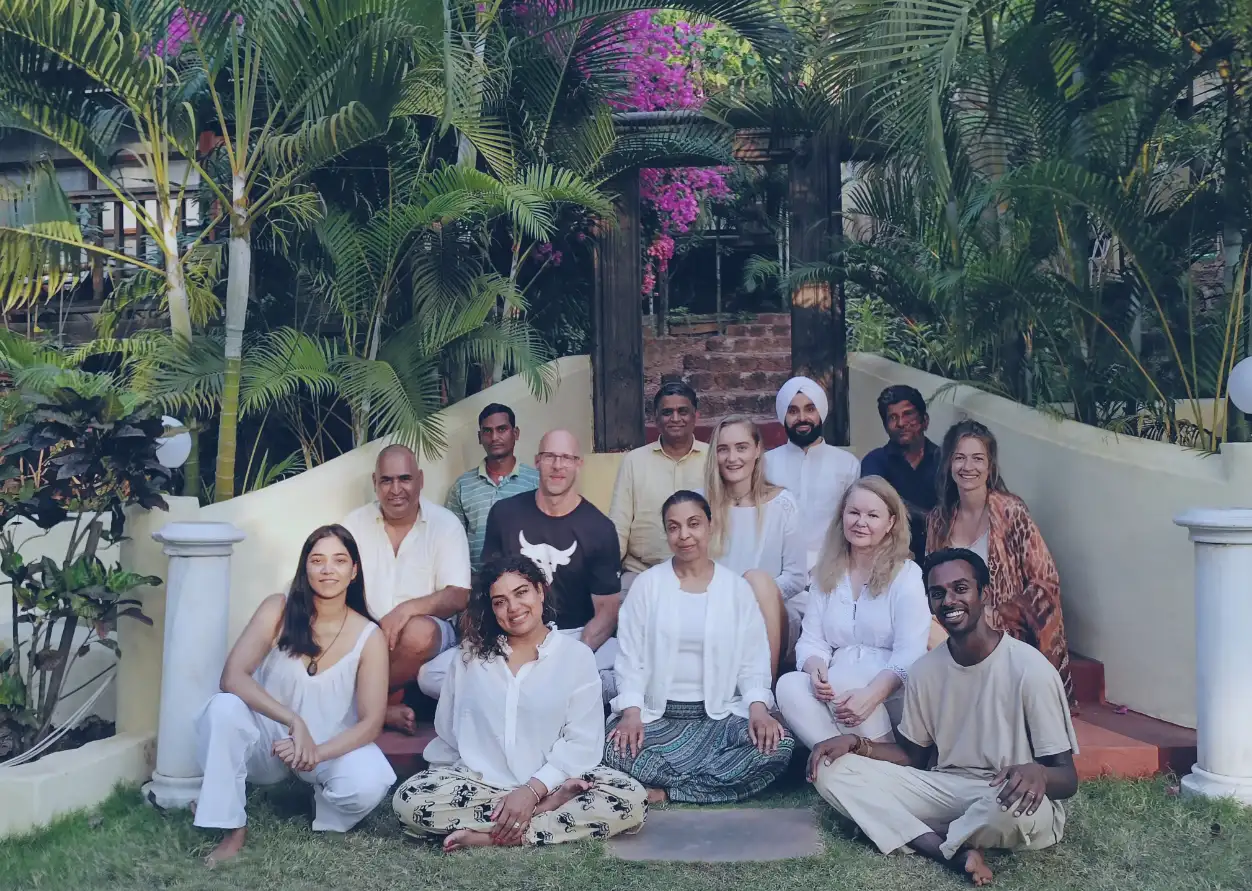
Yoga is more than a physical activity. It is a traditional practice that combines movement, breathing techniques, meditation, and self-awareness. People around the world are exploring yoga to improve flexibility, develop mental focus, and build a healthier lifestyle. For those who want to understand yoga deeply and share its benefits with others, India is one of the most meaningful places to begin this journey.
India is widely recognised as the birthplace of yoga. Its traditional teachings, experienced instructors, peaceful surroundings, and established yoga schools make it an attractive destination for aspiring yoga teachers. Whether someone is a beginner or has already practised yoga for years, learning in India can provide a deeper understanding of this ancient discipline.
Why Choose India to Learn Yoga?
India offers a unique learning environment because yoga is closely connected to its cultural and spiritual traditions. Students can explore not only physical postures but also the philosophy and lifestyle behind yoga.
Many yoga schools offer structured courses that introduce students to different aspects of the practice. These may include Hatha Yoga, Ashtanga Yoga, meditation, pranayama, anatomy, and traditional yoga philosophy.
Another advantage is the opportunity to learn directly from experienced teachers. Regular practice, classroom discussions, group activities, and guided meditation help students develop confidence and a better understanding of yoga.
Popular destinations for yoga education include Rishikesh, Goa, Kerala, and Dharamshala. Each location offers a different atmosphere, from the spiritual surroundings of the Himalayas to the relaxing coastal environment of Goa.
What Is Yoga Teacher Training?
Yoga teacher training is a structured educational programme designed to develop practical yoga skills and teaching knowledge. It helps students understand how yoga works, how to practise safely, and how to guide others through different yoga techniques.
A typical training programme includes several important subjects:
- Asana Practice: Learning traditional yoga postures, alignment, flexibility, and movement techniques.
- Pranayama: Understanding breathing exercises and their role in yoga practice.
- Meditation: Developing concentration, awareness, and mental relaxation.
- Yoga Philosophy: Exploring traditional yoga principles, including the Yoga Sutras and the eight limbs of yoga.
- Human Anatomy: Understanding muscles, joints, body movements, and safe practice techniques.
- Teaching Methodology: Learning how to plan classes, demonstrate postures, and guide students.
- Practical Teaching: Developing confidence through supervised teaching sessions.
These subjects provide a balanced foundation for students who want to develop their personal practice or pursue teaching opportunities.
Different Types of Yoga Teacher Training Courses
Students can choose from different training programmes depending on their experience, interests, and future goals.
200-Hour Yoga Teacher Training
A 200-hour programme is generally considered an entry-level professional training course. It introduces students to essential yoga concepts, postures, breathing exercises, meditation, anatomy, and teaching methods.
It is suitable for beginners who want to build a strong foundation as well as regular practitioners who wish to explore yoga more deeply.
300-Hour Advanced Yoga Teacher Training
A 300-hour programme is designed for students who have already completed foundational teacher training. It provides opportunities to explore advanced postures, teaching techniques, yoga philosophy, and specialised practices.
500-Hour Yoga Teacher Training
A 500-hour programme combines foundational and advanced learning. It offers a more comprehensive educational experience for people who want to dedicate significant time to yoga studies.
Before enrolling, students should check the course curriculum, instructor qualifications, practical teaching hours, and certification requirements.
What Should You Expect During the Training?
A typical yoga training day can begin early in the morning with meditation, breathing exercises, or asana practice. Students may then attend theoretical classes, anatomy sessions, and discussions about yoga philosophy.
Afternoons are often dedicated to practical learning, alignment workshops, teaching methodology, and supervised practice.
The daily routine can be demanding because students are expected to maintain consistency and discipline. However, this structured environment can help develop better concentration, physical awareness, and confidence.
Students should also understand that yoga teacher training is not simply about learning difficult postures. It involves developing patience, understanding individual limitations, and respecting the needs of different practitioners.
How to Select the Right Yoga School in India
Choosing the right school is an important part of the learning experience. Before making a decision, consider the following factors:
1. Course Curriculum: Review the subjects covered in the programme and make sure they match your learning objectives.
2. Experienced Teachers: Check the instructors’ qualifications, teaching backgrounds, and experience in different yoga disciplines.
3. Class Size: Smaller groups may provide more opportunities for individual guidance and feedback.
4. Certification: Check whether the school provides a recognised certification and whether it meets the requirements of the organisation or professional pathway you wish to pursue.
5. Accommodation and Food: If you are travelling from another city or country, review accommodation facilities, meal arrangements, and available student support.
6. Student Reviews: Read genuine feedback from previous students to understand the quality of teaching and overall experience.
Taking time to compare different schools can help you find a programme that supports your personal and professional goals.
Benefits of Studying Yoga in India
Learning yoga in India can offer benefits beyond physical exercise. Students get the opportunity to experience traditional teachings while developing a consistent practice.
Some potential benefits include:
- Better understanding of yoga postures and alignment.
- Improved flexibility, balance, and body awareness.
- Greater knowledge of breathing and meditation techniques.
- Deeper understanding of traditional yoga philosophy.
- Improved confidence in guiding group yoga sessions.
- Opportunities to connect with people from different cultures.
- A more disciplined approach to daily wellness.
The experience can also encourage students to explore yoga as a lifelong practice rather than treating it as a short-term activity.
Is Yoga Teacher Training Suitable for Beginners?
Yes, many foundational programmes welcome beginners, although individual schools may have their own admission requirements. Students do not necessarily need to be highly flexible or capable of performing advanced postures before joining.
What matters most is having an interest in learning, a willingness to practise regularly, and an open attitude towards traditional teachings.
Beginners should choose a programme that provides sufficient guidance, explains postures clearly, and allows students to progress at a comfortable pace.
Begin Your Yoga Learning Journey
Choosing the right yoga education programme can be an important step towards personal development and a future teaching career. India provides an opportunity to explore the traditional roots of yoga while learning practical techniques from experienced instructors.
If you are planning to develop your practice and gain structured teaching knowledge, explore the programmes offered by Yoga Chaitanya. Discover course information, learning opportunities, and guidance to help you take the next step.
For additional inspiration, yoga-related updates, and educational content, you can also connect through the following platforms:
- Pinterest: Explore Yoga Chaitanya
- YouTube: Watch Yoga Chaitanya Videos
- Instagram: Follow Yoga Chaitanya
Start with curiosity, practise with consistency, and allow your yoga journey to develop naturally.
About the Author