
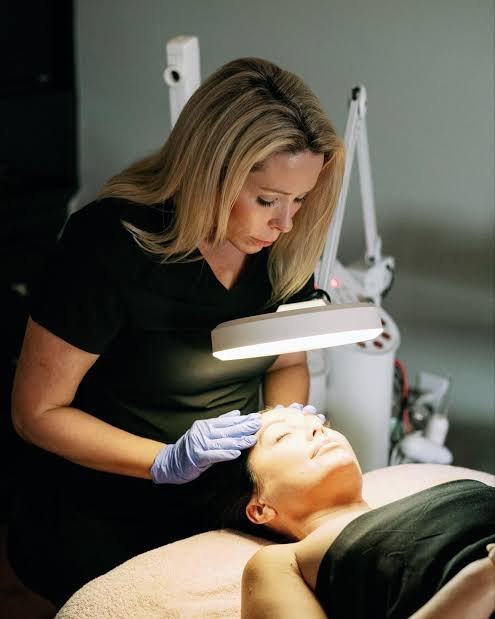
Dry skin is a common problem that affects people of all ages. It can make your skin feel rough, tight, flaky, itchy and uncomfortable. Weather changes, frequent bathing, harsh soaps, dehydration and ageing are some of the common reasons behind dry skin. Although commercial moisturisers can help, many people prefer natural ways to improve their skin’s moisture and softness.
If you want to Get Rid of Dry Skin Naturally, making a few changes to your daily skincare routine can make a noticeable difference. Natural ingredients such as aloe vera, coconut oil, honey and oatmeal can help soothe dry skin and support its protective barrier. Along with these remedies, drinking enough water, eating a balanced diet and avoiding irritating skincare products can help maintain healthier-looking skin.
In this article, we will explore 10 simple home remedies that may help relieve dryness, reduce irritation and keep your skin feeling soft and comfortable.
What Causes Dry Skin?
Before trying home remedies, it is helpful to understand why your skin becomes dry. Healthy skin contains natural oils and moisture that help protect its outer layer. When this protective barrier loses water or becomes damaged, the skin may become rough, flaky and irritated.
Some common causes include:
- Cold weather: Low temperatures and dry air can reduce skin moisture.
- Hot showers: Long showers with hot water can remove natural oils.
- Harsh soaps: Strong cleansers may damage the skin’s protective barrier.
- Ageing: Skin naturally produces less oil as you get older.
- Dehydration: Not drinking enough fluids can affect overall skin health.
- Frequent washing: Repeated washing can make the skin feel tight and dry.
- Skin conditions: Eczema, psoriasis and other conditions can cause persistent dryness.
Identifying the cause can help you choose the right skincare routine and avoid unnecessary irritation.
10 Simple Home Remedies to Get Rid of Dry Skin Naturally
1. Apply Coconut Oil to Dry Skin
Coconut oil is a popular natural moisturiser because it contains fatty acids that help soften the skin and reduce moisture loss. It can be particularly useful for people experiencing roughness, flaking and dryness on their arms, legs, hands and feet.
To use coconut oil, take a small amount and gently massage it into slightly damp skin after bathing. Allow it to absorb before putting on your clothes. You can apply it once or twice daily, depending on your skin’s needs.
Coconut oil may not suit everyone, particularly people with acne-prone skin. It can clog pores in some individuals, so avoid applying it to areas that are prone to breakouts. Always perform a patch test before using it regularly.
2. Use Aloe Vera Gel for Skin Hydration
Aloe vera is widely used in skincare because of its soothing and moisturising properties. Its gel contains water and various natural compounds that can help calm skin that feels dry or irritated.
Fresh aloe vera gel or a fragrance-free commercial aloe vera product can be applied to clean skin. Spread a thin layer over the affected area and allow it to dry. If your skin feels tight afterwards, apply a gentle moisturiser to help seal in moisture.
Aloe vera may be particularly helpful when your skin feels uncomfortable after exposure to sunlight or dry weather. However, some people may experience irritation or an allergic reaction, so test it on a small area first.
3. Moisturise Your Skin with Shea Butter
Shea butter is a natural fat extracted from shea tree nuts. It is commonly used in skincare products because it helps soften rough skin and reduce moisture loss.
Its rich texture makes it suitable for particularly dry areas such as elbows, knees, heels and hands. Apply a small amount of pure, fragrance-free shea butter after bathing while your skin is still slightly damp.
Regular use can help improve the appearance and feel of rough skin. If you have sensitive skin, choose a product with minimal ingredients and avoid products containing added fragrances.
4. Try an Oatmeal Bath
Oatmeal is a gentle ingredient that may help soothe dry, itchy and irritated skin. Colloidal oatmeal, which is finely ground oatmeal designed for skincare, is particularly useful because it can form a protective layer on the skin.
To prepare an oatmeal bath:
- Grind plain oats into a fine powder or use ready-made colloidal oatmeal.
- Add approximately one cup to a lukewarm bath.
- Stir the water until the oatmeal is evenly distributed.
- Soak for 10–15 minutes.
- Gently pat your skin dry with a soft towel.
- Apply a fragrance-free moisturiser immediately afterwards.
Avoid using hot water because it can worsen dryness. An oatmeal bath may provide temporary relief from itching and irritation, but persistent skin problems should be assessed by a healthcare professional.
5. Apply Honey for Soft and Smooth Skin
Honey is a natural ingredient that attracts and retains moisture. It also contains compounds that have been studied for their skin-related benefits.
You can use a small amount of plain honey as a short facial treatment. Apply a thin layer to clean skin, leave it for around 10 minutes and rinse gently with lukewarm water.
After rinsing, apply your regular moisturiser to help maintain hydration. Avoid using honey if you have a known allergy to it or its ingredients.
Although honey is a popular home skincare ingredient, it should not replace established treatments for eczema, dermatitis or other medical skin conditions.
6. Use Olive Oil to Soften Rough Skin
Olive oil contains fatty acids and antioxidant compounds that have attracted interest in skincare research. Some people use it to soften dry areas of the body.
However, olive oil is not suitable for everyone. Research suggests that repeated application may weaken the skin barrier in some individuals, particularly those with sensitive or eczema-prone skin.
If you want to try it, use a very small amount on a limited area of non-sensitive skin and observe how your skin responds. For regular moisturising, a fragrance-free cream containing ceramides is generally a more reliable option.
7. Apply Cucumber to Refresh Dry Skin
Cucumber contains a high percentage of water, making it a popular ingredient in homemade skincare treatments. It can provide a temporary cooling and refreshing sensation when applied to the skin.
Cut a fresh cucumber into thin slices and place them over dry areas for approximately 10 minutes. You can also blend cucumber and apply a small amount of the pulp to your skin before rinsing it off gently.
Cucumber may temporarily soothe skin discomfort, but it does not provide the long-lasting moisturising benefits of a proper skincare cream. Use it as an occasional addition to your routine rather than your main dry-skin treatment.
8. Use Petroleum Jelly to Lock in Moisture
Petroleum jelly is one of the most effective and affordable ways to reduce water loss from the skin. It forms a protective layer that helps keep existing moisture inside the outer skin layer.
For best results, apply a thin layer to slightly damp skin, especially on dry hands, feet, elbows and heels. You can also apply it to your lips when they become dry or cracked.
This method is particularly useful during winter when cold air and indoor heating can make skin dryness worse.
Unlike some natural oils, petroleum jelly has strong evidence supporting its ability to protect the skin barrier and reduce moisture loss.
9. Try Sunflower Seed Oil for Skin Moisture
Sunflower seed oil contains linoleic acid, a fatty acid that plays an important role in maintaining the skin’s protective barrier. It is used in some skincare formulations to help soften and moisturise dry skin.
Choose a fragrance-free skincare product containing sunflower seed oil rather than using heavily processed or scented products.
Apply a small amount to a limited area and monitor your skin for irritation. If it suits your skin, you may include it in your regular moisturising routine.
Sunflower seed oil can be an option for people looking for a lightweight moisturising ingredient, although results vary depending on the formulation and individual skin type.
10. Increase Your Intake of Healthy Fats
Your diet plays an important role in maintaining healthy skin. Essential fatty acids, particularly omega-3 fats, support normal skin function and overall health.
You can include the following foods in your daily meals:
- Walnuts
- Flaxseeds
- Chia seeds
- Salmon
- Sardines
- Avocados
- Almonds
These foods provide healthy fats, vitamins and other nutrients that support normal skin function.
Eating a balanced diet cannot replace moisturisers or medical treatment, but it can help provide the nutrients your body needs to maintain healthy skin.
Herbal Treatment for Dry Skin: Natural Ingredients Worth Knowing
Many people prefer a Herbal Treatment for Dry Skin because plant-based ingredients are commonly used in traditional skincare routines. Aloe vera, calendula, chamomile and oatmeal are examples of ingredients found in natural skincare formulations.
Aloe vera is often used for its soothing properties, while calendula is included in some creams designed for sensitive or uncomfortable skin. Chamomile is another popular botanical ingredient because of its traditional use in calming skincare preparations.
However, natural does not always mean completely safe. Essential oils, herbal extracts and fragranced botanical products can cause allergic contact dermatitis in some people. Always choose reputable products, check the ingredient list and perform a patch test before applying a new product over a large area.
For persistent dryness, a dermatologist may recommend moisturisers containing ceramides, glycerin or hyaluronic acid alongside appropriate medical treatment.
Daily Habits That Help Prevent Dry Skin
Home remedies can provide temporary comfort, but maintaining healthy skin requires consistent daily care. Small lifestyle changes can help protect your skin’s natural moisture barrier.
1. Take shorter showers: Limit showers to around 5–10 minutes and use lukewarm rather than hot water.
2. Choose gentle cleansers: Avoid harsh soaps, heavily fragranced body washes and products that leave your skin feeling tight.
3. Moisturise immediately after bathing: Apply moisturiser while your skin is slightly damp to help retain moisture.
4. Use a humidifier: A humidifier can add moisture to indoor air, particularly during dry winter weather.
5. Wear comfortable clothing: Choose soft cotton fabrics and avoid rough materials that may irritate sensitive skin.
6. Protect your skin from sunlight: Use a broad-spectrum sunscreen with SPF 30 or higher when spending time outdoors.
7. Drink enough water: Maintain adequate fluid intake throughout the day, especially in hot weather.
8. Avoid excessive exfoliation: Scrubbing and using strong exfoliating products can damage the skin barrier and make dryness worse.
Following these habits consistently can help reduce dryness and support healthier-looking skin.
Best Foods to Include in Your Diet for Healthy Skin
Nutrition is another important part of maintaining skin health. Certain nutrients support the normal structure and function of the skin, while a balanced diet helps your body receive the vitamins and minerals it needs.
Here are some useful foods to consider:
| Food | Important Nutrients |
| Avocados | Healthy fats and vitamin E |
| Carrots | Beta-carotene |
| Almonds | Vitamin E |
| Walnuts | Omega-3 fatty acids |
| Sweet potatoes | Beta-carotene |
| Spinach | Vitamin A precursors and vitamin C |
| Eggs | Protein and several B vitamins |
| Fatty fish | Omega-3 fatty acids and vitamin D |
Vitamin E helps protect cells from oxidative damage, while vitamin C contributes to normal collagen formation. Healthy fats also support normal skin function.
You do not need expensive supplements to maintain healthy skin if you can obtain most nutrients through a varied and balanced diet. Supplements should be considered when there is a nutritional deficiency or a specific healthcare recommendation.
When Should You See a Doctor for Dry Skin?
Occasional dryness can often be managed with gentle skincare and regular moisturising. However, severe or persistent dryness may indicate an underlying skin condition that requires professional attention.
Consult a healthcare professional if you experience:
- Severe or persistent itching.
- Deep cracks or painful skin.
- Bleeding caused by scratching.
- Redness, swelling or signs of infection.
- Dry patches that spread across your body.
- Skin problems that do not improve with regular moisturising.
Conditions such as eczema, psoriasis and contact dermatitis can cause symptoms that resemble ordinary dry skin. A healthcare professional can identify the cause and recommend appropriate treatment.
Do not rely entirely on home remedies if your skin is becoming increasingly irritated or painful.
How Natural Herbs Clinic Supports Natural Skincare Awareness
Natural Herbs Clinic focuses on natural wellness and herbal health information for people interested in plant-based approaches to personal care. Learning about natural ingredients, healthy eating habits and suitable skincare practices can help individuals make more informed decisions about their daily routines.
When exploring herbal skincare products, always check their ingredients and choose options appropriate for your skin type. Remember that herbal products are not automatically safer or more effective than conventional skincare products.
A balanced approach that combines gentle cleansing, regular moisturising, healthy nutrition and suitable skincare ingredients is often the most practical way to manage everyday dryness.
Conclusion
Learning how to Get Rid of Dry Skin Naturally starts with understanding what your skin needs and choosing gentle, consistent skincare habits. Ingredients such as coconut oil, aloe vera, shea butter and oatmeal may help soften or soothe dry skin, while petroleum jelly and fragrance-free moisturisers can provide effective protection against moisture loss.
You should also pay attention to your diet, avoid excessively hot showers and protect your skin from environmental factors that contribute to dryness.
Although Natural Remedies For Dry Skin can be useful additions to your skincare routine, not every ingredient works for everyone. Choose products carefully, introduce new ingredients gradually and seek professional advice if dryness becomes severe or persistent.
With regular care and the right skincare choices, you can support your skin’s natural moisture barrier and maintain softer, healthier-looking skin.
About the Author