
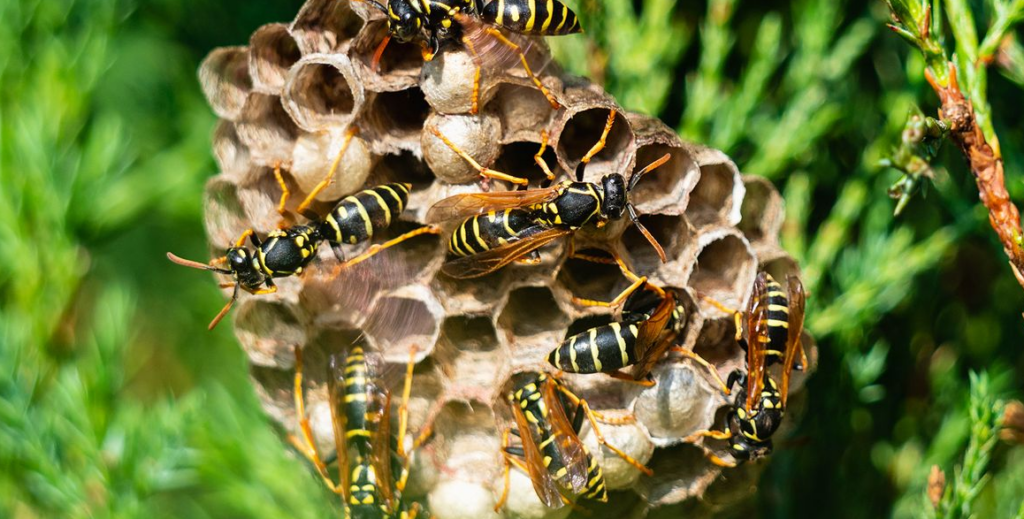
Discovering a wasp nest around your home or garden can be concerning, particularly when it is close to an entrance, outdoor entertaining area or frequently used part of the property. One common question homeowners ask is when they should arrange professional wasp nest removal.
The right time depends on the level of wasp activity, the nest location and the potential risks to people and pets. Although wasps are generally more active during warmer months, waiting for a particular season is not always the best approach. An active nest near your home should be assessed when it is discovered.
Understanding seasonal wasp behaviour and recognising early signs of nesting can help Melbourne homeowners decide when to seek professional assistance.
1. Arrange Removal as Soon as You Identify an Active Nest
If you discover an active wasp nest, it is generally better to arrange an assessment rather than leave it unattended. Wasps may continue developing their colony, collecting food and defending their nesting area.
Leaving a nest near a doorway, garden, balcony or outdoor seating area can increase the likelihood of accidental encounters.
Early professional assessment can help identify the species, nesting location and suitable treatment approach. You do not need to wait until the nest becomes large or wasp activity increases.
Avoid spraying, knocking down or blocking the nest while waiting for assistance.
2. Spring Is an Important Time to Watch for New Nests
Spring often brings increased nesting activity as temperatures become warmer. Depending on the wasp species and local conditions, new colonies may begin developing around sheltered areas of residential properties.
Homeowners may notice wasps investigating roof edges, garden sheds, pergolas and other protected locations.
During spring, it is useful to inspect:
- Roof corners and eaves
- Garden sheds and garages
- Pergolas and verandahs
- Gaps around exterior walls
- Trees and dense vegetation
Spotting early nesting activity can help prevent an unnoticed nest from becoming a more significant concern.
3. Summer Can Bring Increased Wasp Activity
Summer is often when wasps become more noticeable around Melbourne homes. Established colonies may have increased activity, with worker wasps regularly searching for food and water.
You may notice wasps around outdoor dining areas, rubbish bins, fruit trees, swimming pools and garden spaces.
If a nest is located close to these areas, regular household activities may disturb the colony. This can increase the chance of defensive behaviour and stings.
Do not delay seeking professional advice simply because the nest is difficult to access or has become more active. Keep people and pets away from the area until it has been assessed.
4. Autumn Is Not a Reason to Ignore an Existing Nest
Some homeowners assume that wasps will disappear automatically when the weather becomes cooler. While the activity and life cycle of many social wasp colonies change with the seasons, an active nest should not be ignored.
Different wasp species behave differently, and some may remain active during parts of autumn depending on conditions.
If you continue noticing wasps entering and leaving a particular opening, there may still be an active nest nearby.
A professional assessment can help determine whether the nest is occupied and whether treatment is required.
5. Winter Can Be a Suitable Time for Property Inspections
Wasp activity is generally lower during colder conditions for many species, but this does not mean every nest has disappeared or that all nesting risks have ended.
Winter can be a useful time to inspect property structures, identify gaps and plan maintenance before warmer weather returns.
Consider checking:
- Roof edges and damaged eaves
- Openings around exterior walls
- Sheds and storage spaces
- Covered outdoor structures
- Gaps around windows and doors
Do not assume that an old nest is active or inactive based only on its appearance. If you are unsure, seek professional advice before attempting to remove it.
6. Arrange Removal Before the Nest Becomes a Safety Concern
The location of a nest is often more important than its size when deciding how urgently to seek assistance.
A relatively small nest near a busy entrance may create more immediate concerns than a larger nest in an isolated area.
Professional assessment is particularly important when nests are located:
- Near front or back doors
- Close to children’s play areas
- Around balconies and outdoor seating
- Inside roof cavities or wall spaces
- Near walkways and driveways
- Around workplaces and customer entrances
If people regularly pass close to the nest, keep the area clear and arrange professional assistance promptly.
7. When Wasp Activity Becomes Repeated or Noticeable
You may not always see the nest itself. Repeated wasp movement around one particular location can indicate that a colony is established nearby.
Look for signs such as:
- Several wasps entering and leaving the same opening.
- Regular activity around a roof corner.
- Wasps repeatedly gathering near a shed or pergola.
- Increased movement around a particular garden area.
- A visible paper-like nest attached to a sheltered surface.
Occasional wasps visiting flowers or food do not necessarily mean there is a nest. However, repeated movement towards one location deserves attention.
Is There a Best Time of Day for Wasp Nest Removal?
There is no universal time of day that is suitable for every wasp nest. Wasp activity can vary according to species, temperature, weather and nesting location.
Some homeowners assume that removing a nest after sunset is always safer because fewer wasps may be visible outside. However, this does not eliminate the risk of disturbing the colony.
Professional pest control providers can determine the appropriate timing and treatment approach based on the nest and surrounding conditions.
Avoid attempting removal yourself during the day or at night.
What Should You Do While Waiting for Professional Removal?
Once you identify a suspected active nest, take precautions to reduce accidental encounters.
- Keep children and pets away from the nesting area.
- Avoid touching, shaking or spraying the nest.
- Do not block the entrance to a concealed nest.
- Avoid mowing or trimming vegetation nearby.
- Keep outdoor food and rubbish covered.
- Use an alternative entrance if the nest is near a doorway.
- Inform household members or nearby workers about the affected area.
If someone develops breathing difficulties, throat swelling, dizziness or other signs of a severe allergic reaction after a wasp sting, call Triple Zero (000) immediately.
When Should You Contact a Professional Wasp Removal Service?
The best time to arrange professional removal is when you identify a suspected active nest, particularly if it is close to people, pets or frequently used areas. Waiting for warmer weather, a larger colony or more visible activity is unnecessary when there is already a potential safety concern.
Homeowners looking for wasp removal Melbourne can arrange an assessment to identify the nesting location and determine a suitable treatment approach.
Local service information is also available for wasp removal Berwick, wasp control Chelsea, wasp removal Epping and wasp control Clyde.
A professional can assess the wasp species, nest location and surrounding risks before selecting an appropriate removal method. This is especially important when nests are hidden inside roof spaces, wall cavities or other difficult-to-reach areas.
Conclusion
The best time to arrange wasp nest removal is as soon as you identify a suspected active nest. Although wasp activity often increases during spring and summer, nests can create concerns at different times of the year depending on the species and location.
Regular property inspections can help identify early nesting activity, while professional assessment can determine the appropriate way to address an active nest. Keep your distance, avoid DIY removal and take precautions to protect your household and visitors.
About the Author